Flying halfway across the world to Jinan to inspect a twin-screw extruder, only to ignore the dryer and coating sections, is a costly mistake. I once hosted a buyer who made this exact error. Months later, they called with complaints about uneven oil spraying and inconsistent moisture levels in their final product. That trip taught me a hard lesson: a factory visit is not just about admiring shiny steel; it is about checking the whole process flow, testing a specific recipe, and verifying utility requirements before signing.
When you plan to visit pet food machine maker Jinan, your goal must shift from observing assembly lines to validating engineering integration. The core value of a site visit lies in confirming that the manufacturer can balance upstream preparation with downstream drying and coating, ensuring the entire line meets your capacity and quality targets rather than just the extruder alone.
Step 1: Define Your Technical Objectives Before Booking the Flight
Before you book your ticket, clarify what you are actually buying. Are you purchasing a standalone Twin-Screw Extruder or a complete turnkey plant? Many investors focus solely on the nominal capacity of the main extruder, neglecting the bottlenecks that often appear in grinding, mixing, or drying. To make your visit pet food machine maker Jinan productive, prepare a detailed technical brief. This should include your raw material formulation, especially the percentage of fresh meat or fat, your target output in kilograms per hour, and the specific shapes and densities required for your market.
Bring your actual ingredient list and any existing lab data. If you are producing high-meat content kibble or specialized aquatic feed, the behavior of your dough under shear and heat will dictate the screw configuration and barrel design. Without this data, the engineering team can only offer generic recommendations. By defining your objectives early, you transform the visit from a general tour into a focused technical review. You can then assess whether the supplier’s process engineers understand the rheology of your specific formula or if they are simply selling standard hardware.
Step 2: Evaluate the Extrusion and Process Testing Facilities
Once on-site, do not just look at the finished machines in the showroom. Request access to the production workshop and the process testing platform. Observe the machining precision of critical components such as screws, barrels, and gearboxes. The quality of these parts determines the longevity and stability of your equipment. Ask to see how the manufacturer handles heat treatment and surface finishing for wear-prone areas. A reputable manufacturer will have strict quality control protocols for these core components, which directly impact the consistency of your final product.
Pay close attention to the testing facility. Can they run trials with your specific ingredients? The ability to conduct real-world trials is a significant advantage. During a trial, observe how the machine handles variations in moisture and temperature. For instance, if you are producing floating fish feed, the expansion ratio and buoyancy are critical. These properties are not determined by the die alone but by the interaction between the preconditioner, extruder, and cutter. Watching a live trial allows you to verify if the equipment can achieve the desired texture and density without excessive waste or instability.
Step 3: Review Complete Line Integration and Layout Capabilities
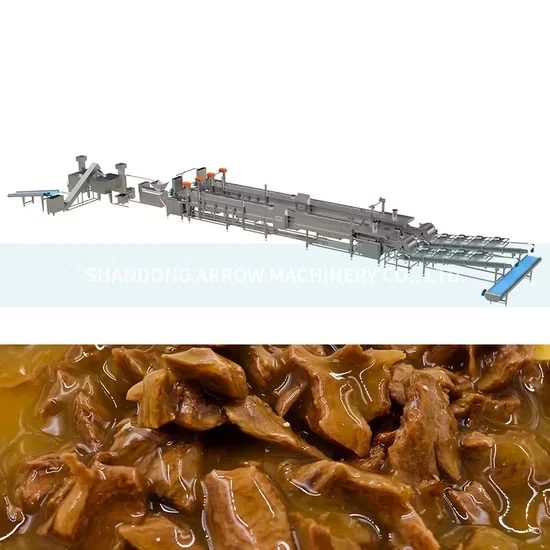
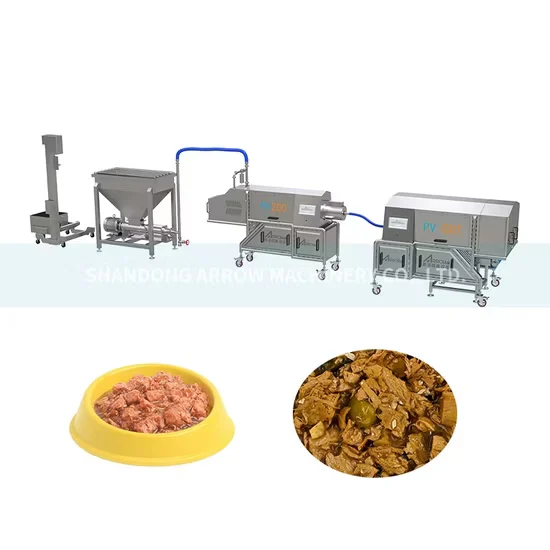
A common pitfall in plant design is mismatched capacities between different sections. The extruder might be capable of 2 tons per hour, but if the dryer or cooler is undersized, your actual throughput will be significantly lower. When you visit pet food machine maker Jinan, ask to see layout drawings of previous projects. Look for how they manage material flow between grinding, mixing, extrusion, drying, and coating. Efficient layout minimizes energy consumption and reduces the footprint of your factory.
Consider the Dry Pet Food Production Line as an example. The drying stage is often the bottleneck because removing moisture from dense kibble takes time and precise thermal control. Check if the supplier offers cross-flow circulation dryers or other efficient drying systems that match the extruder’s output. Additionally, examine how they integrate conveying systems to prevent product degradation during transfer. A well-integrated line ensures that the product moves smoothly from one stage to the next without manual intervention, which reduces labor costs and contamination risks.
Step 4: Conduct Raw Material Trials and Sample Verification
Never skip the trial phase. Bring your own raw materials if possible, or use similar substitutes provided by the factory. Run the machine under conditions that mimic your intended production schedule. Pay attention to the stability of the process. Does the motor load fluctuate wildly? Is the product shape consistent over time? These are indicators of the machine’s reliability and the effectiveness of its control systems.
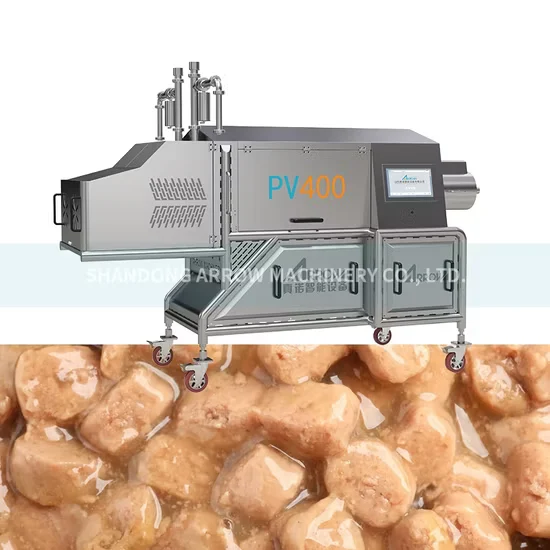
For products requiring high fat addition, such as premium pet food or certain aquatic feeds, the coating process is crucial. Standard drum coaters may not provide uniform coverage for high-viscosity liquids. In such cases, inquire about vacuum coating technology. A Vacuum Coating Machine allows for higher fat inclusion rates while maintaining pellet integrity and preventing surface greasiness. During the trial, verify the uniformity of the coating and the final moisture content of the product. This step provides concrete evidence of the equipment’s capability to meet your quality standards.
Step 5: Clarify Installation, Commissioning and After-Sales Terms
The final step of your visit should focus on the commercial and service aspects. Discuss the scope of overseas installation and commissioning. Will the supplier send engineers to your site? What are the costs for travel, accommodation, and daily allowances? Clarify the duration of the commissioning period and the criteria for acceptance. It is essential to have these terms clearly defined in the contract to avoid disputes later.
Ask about training programs for your operators and maintenance staff. Proper training ensures that your team can operate the equipment efficiently and perform routine maintenance to prevent breakdowns. Inquire about the availability of spare parts and the response time for technical support. A reliable supplier will have a structured after-sales service plan, including remote diagnostics and regular follow-ups. Ensure that all promises regarding support and documentation are included in the written agreement.
Frequently Asked Questions
Q: What documents should I prepare before visiting a pet food machine factory in Jinan?
A: Prepare a detailed product specification sheet including your raw material formulation, target capacity, product shapes, and moisture requirements. Include your factory’s layout dimensions, utility availability (power, water, steam), and any specific certification needs. This information allows the engineering team to prepare relevant case studies and preliminary configurations for your review during the visit.
Q: Can I test my own pet food recipe on your extruders during the factory visit?
A: Yes, most manufacturers encourage raw material trials to validate equipment suitability. However, you must arrange this in advance. Provide sample ingredients ahead of time so the factory can prepare the necessary screw configurations and dies. Be aware that trials may incur costs for materials and labor, which should be clarified in your quotation. This step is crucial for verifying product quality before purchase.
Q: How do you handle overseas installation and commissioning after I place an order?
A: Installation and commissioning services are typically defined in the contract. The supplier may send engineers to your site to guide installation, debug the system, and train your staff. You are usually responsible for their visa, travel, and accommodation costs. Alternatively, some suppliers offer remote guidance via video call for simpler setups. Ensure the scope of work, timeline, and acceptance criteria are clearly stated in your agreement.
Q: What is the typical lead time for a complete pet food production line?
A: Lead times vary based on the complexity of the line, customization requirements, and current production schedules. A standard line may take several months, while highly customized turnkey projects could take longer. During your visit, discuss your project timeline with the sales engineer. They can provide a more accurate estimate based on your specific configuration and the factory’s current order book. Always confirm the delivery schedule in your proforma invoice.
Send your product formula, target capacity, and factory dimensions to receive a customized equipment configuration and preliminary layout. Discuss your raw material characteristics to determine if a trial run is necessary for your specific application. Request technical specifications and a detailed quotation to compare engineering solutions effectively.