Many investors planning a new pet food factory focus heavily on equipment quotes but overlook the full timeline from process confirmation to overseas commissioning. This oversight often leads to significant project delays, causing missed market windows and extended investment return cycles. Understanding the real schedule is as critical as securing the budget.
A complete kibble pet food line lead time is not a fixed number found in a catalog. It is a dynamic period determined by equipment configuration complexity, the degree of customization required for your specific recipe, and the conditions for overseas installation and debugging. The more thoroughly you confirm process details upfront, the more controllable the final delivery becomes.
Breaking Down the Manufacturing and Delivery Timeline
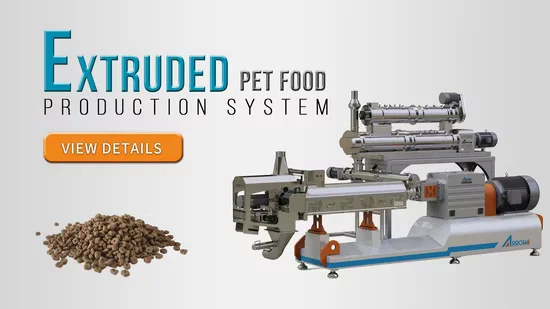
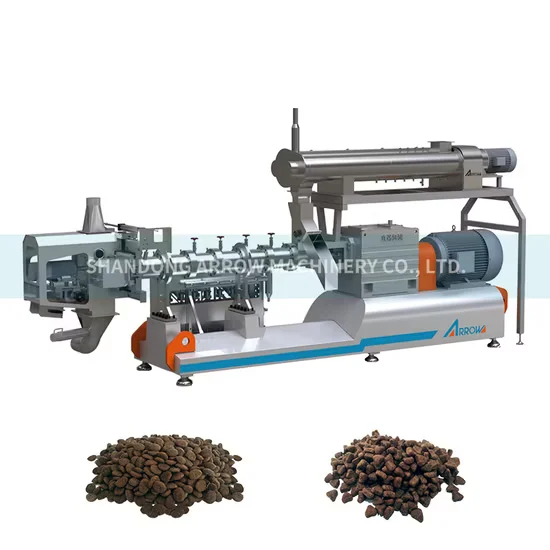
The production phase varies significantly depending on whether you are ordering standalone units or an integrated system. Standard single machines, such as hammer mills or ribbon mixers, generally have shorter manufacturing cycles because they involve fewer custom engineering steps. In contrast, core customized equipment like the Twin-Screw Extruder requires precise machining of screw elements and barrels to match your specific shear and temperature profiles.
Several key variables influence this manufacturing progress. The complexity of the screw configuration is a primary driver; high-shear designs for specialized textures take longer to machine and assemble than standard configurations. Additionally, the level of automation control you select impacts the timeline. Integrating advanced PLC systems with remote monitoring capabilities requires extensive software testing and electrical panel assembly before the machine leaves the factory. Special material requirements, such as specific stainless steel grades for corrosive ingredients, also add to the procurement and fabrication time.
For buyers sourcing individual components, it is crucial to understand that these machines do not operate in isolation. A Cross-Flow Circulation Dryer, for instance, must be sized correctly to handle the moisture output of the extruder. If the drying capacity is mismatched, it becomes a bottleneck that negates the speed of the upstream extrusion process. Therefore, even when ordering separate units, the engineering team must review the entire flow to ensure duty points are balanced across the line.
How Customization and Plant Layout Affect Your Schedule
Customization begins long before metal is cut. It starts with defining the product characteristics. If your target is a small-diameter kibble with a complex internal structure or a baked texture, the forming and cutting mechanisms require specific adjustments. Process trials using your actual raw materials help define these parameters. While these trials ensure the equipment will perform as expected, they add time to the pre-production phase. Skipping this step to save weeks often results in months of troubleshooting after installation.
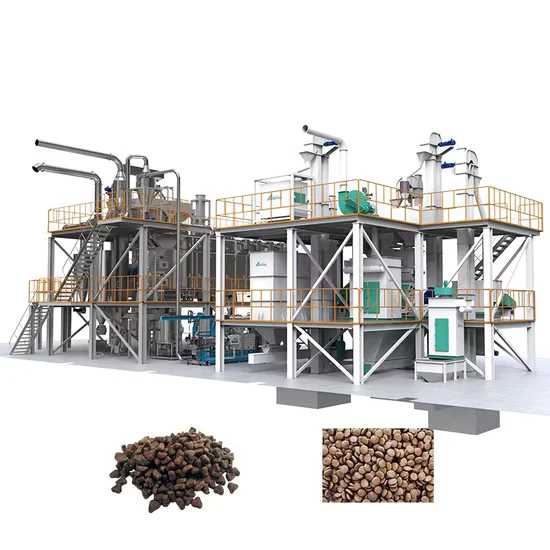
Plant layout design is another critical factor that influences the overall schedule. Every factory has unique constraints regarding floor space, ceiling height, and utility access points. Designing a layout that fits your existing building or new facility requires detailed CAD drawings and multiple rounds of review. If the layout changes after manufacturing has begun, it can lead to costly rework and delays. For example, if the conveyor angles or hopper positions do not align with your building’s structural columns, modifications must be made either at the factory or on-site, both of which consume time.
Utilities play a hidden but vital role in scheduling. I once managed a project where the extruders and dryers arrived on time, but the local transformer specifications were mismatched. The entire line sat at the port for weeks while the client scrambled for adapters. This experience taught me that quoting a lead time is never just about factory manufacturing days. It means aligning utility checks, such as power frequency, voltage stability, and steam availability, into one realistic timeline. Confirming these details early prevents such avoidable stalls.
The Hidden Time Costs of Overseas Installation and Commissioning
Once the equipment is manufactured, the logistics phase begins. Ocean freight, rail, or air shipment options depend on project feasibility and urgency. However, shipping is only part of the equation. Customs clearance in the destination country can introduce unpredictable delays if documentation is incomplete or if import regulations change. Proper export packing, including corrosion prevention and base fixing, ensures the machinery survives the journey, but it does not speed up border processing.
On-site installation and commissioning represent the final and often most variable segment of the timeline. Overseas engineering teams must travel to your facility, which involves visa processing and travel arrangements. Once on-site, the team will assemble the machines, connect utilities, and conduct initial tests. However, true commissioning involves running the line with your actual formula. This step is essential to verify product quality, such as buoyancy for fish feed or density for kibble.
Training your local operators during this phase is equally important. A well-trained team can maintain consistent quality and perform routine maintenance, reducing future downtime. The duration of this phase depends on the complexity of the line and the readiness of your staff. If the operator training is rushed, you may face operational issues later that require additional support visits. Therefore, allocating sufficient time for hands-on training is a wise investment in long-term stability.
5 Steps to Accelerate Your Turnkey Pet Food Project
To minimize delays and ensure a smooth rollout, consider these five strategic steps. First, lock in your raw material characteristics and target capacity early. Provide detailed information on ingredient ratios, especially fresh meat content, as this affects extrusion behavior. Second, confirm your factory drawings and utility conditions before signing the contract. This allows the engineering team to design a layout that fits perfectly, avoiding last-minute changes.
Third, clearly define your automation standards and acceptance document list. Knowing exactly what level of control you need helps avoid scope creep during manufacturing. Fourth, arrange your prepayment and production schedule in alignment with the supplier’s capacity. Early commitment can secure a slot in the production queue. Finally, prepare your site infrastructure in parallel with manufacturing. Ensure that foundations, power connections, and water supplies are ready before the equipment arrives. This parallel processing can shave weeks off the total project timeline.
Frequently Asked Questions
Q: What is the standard lead time for a complete kibble production line from contract signing to delivery?
A: There is no universal standard lead time because it depends on configuration complexity and customization. Generally, integrated lines take longer than standalone machines due to coordinated engineering and testing. Factors like screw design, automation level, and utility requirements all influence the schedule. A formal quotation will provide a realistic timeline based on your specific project scope and current production availability.
Q: Does ordering individual machines like a twin-screw extruder or vacuum coating machine take less time than a full turnkey line?
A: Yes, individual machines typically have shorter manufacturing cycles since they require less system integration work. However, buying separate units shifts the responsibility of matching capacities and interfaces to the buyer. If the dryer cannot handle the extruder’s output, the line will underperform. Ordering a complete line ensures that all components are engineered to work together, reducing the risk of bottlenecks and compatibility issues during installation.
Q: How long does the overseas installation and commissioning process usually take for a new pet food factory?
A: The duration varies based on line complexity, site readiness, and operator familiarity. It includes mechanical assembly, electrical connection, and trial runs with actual ingredients. Training local staff is also part of this phase. Delays can occur if utilities are not ready or if customs clearance holds up equipment arrival. Contractual agreements should specify the scope of installation services to set clear expectations for the timeline.
Q: Can recipe trials or raw material testing delay the final equipment delivery schedule?
A: Recipe trials are part of the engineering phase and can extend the pre-production timeline. However, they prevent costly errors during commissioning. Testing confirms the right screw configuration and drying parameters for your specific formula. Skipping trials might speed up initial manufacturing but often leads to longer adjustment periods on-site. It is better to invest time in accurate process definition upfront to ensure stable operation from day one.
Send your product formula, target capacity, and factory dimensions to receive a customized proposal. This plan will include detailed delivery milestones and a layout diagram tailored to your site. Discussing your specific needs early helps align engineering efforts with your business goals, ensuring a smoother path to production.