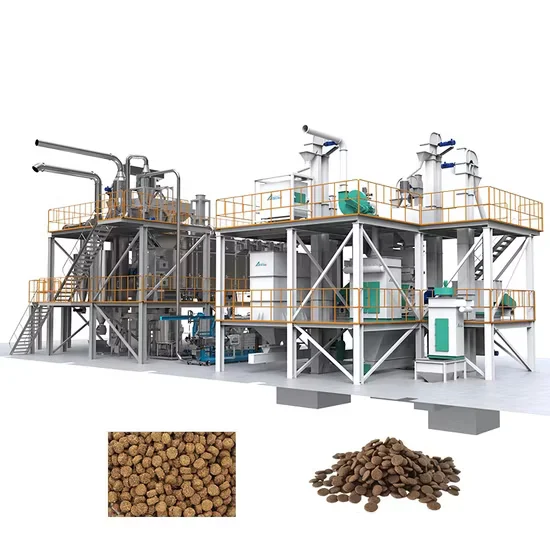
Ordering too little raw material for an extrusion trial means the machine never reaches a stable state, while ordering too much wastes expensive ingredients before the formula is even locked. Many investors and production managers face this dilemma when planning their first pilot run or validating a new recipe.
Determining the correct pet food recipe trial raw material quantities requires calculating the minimum batch size based on the extruder’s capacity, accounting for moisture loss during drying, and allowing extra material for machine warm-up and parameter stabilization. This approach ensures that the data collected during the test is representative of full-scale production, preventing costly miscalculations in later stages.
Calculating the Minimum Batch Size for Extrusion Trials
The most common mistake in pilot testing is underestimating the volume required to stabilize the process. A twin-screw extruder does not produce consistent kibble the moment it is switched on. It requires a warm-up phase where the barrel temperatures reach set points and the screw elements achieve thermal equilibrium with the incoming mash. During this period, the output is often discarded or recycled because the texture, density, and shape are not yet within specification.
To determine the base quantity, start with the nominal hourly capacity of the Twin-Screw Extruder you intend to use. For a meaningful trial, the machine should run at steady state for at least 30 to 60 minutes. If the extruder is rated for 500 kg/h, you need a minimum of 250 to 500 kg of finished product just for the stable running phase. However, this is only part of the equation. You must add the material consumed during the start-up and shut-down phases, which can easily account for another 100 to 200 kg depending on the complexity of the line.
Furthermore, high fresh meat formulas present unique challenges. As noted in our experience at the Jinan test center, a small batch of thirty kilos may clog die plates or fail to generate enough friction heat for proper gelatinization. The mechanical energy input depends on the mass flow rate; too little material results in insufficient shear, leading to poor expansion or incomplete cooking. Therefore, the minimum batch size must be large enough to maintain the required pressure and temperature profiles throughout the barrel.
Adjusting for Moisture Loss in Drying and Coating
Raw material calculation cannot stop at the extruder outlet. The subsequent drying and coating stages significantly alter the final weight, and failing to account for this leads to a shortage of finished product for evaluation. The Cross-Flow Circulation Dryer removes moisture to achieve shelf stability, typically reducing the weight by 15% to 25% depending on the initial moisture content of the extrudate and the target final moisture level.
If your target is 10% moisture and the extruded kibble enters the dryer at 25% moisture, you lose substantial mass as water vapor. To obtain 100 kg of dried kibble, you may need to input approximately 120 to 130 kg of wet extrudate. This ratio varies with ingredient composition; high-starch formulations behave differently than high-protein or high-fiber mixes. It is crucial to calculate the dry matter balance rather than just the wet weight.
Downstream processes like vacuum coating or flavoring also impact the final yield. While coating adds weight, it requires a specific surface area and temperature condition to adhere properly. If the trial batch is too small, the coating drum or vacuum coater may not operate efficiently, leading to uneven application or waste. Therefore, when preparing pet food recipe trial raw material quantities, include an additional buffer to ensure there is enough product to test the coating adhesion and uniformity effectively.
Preparing and Pre-Mixing the Trial Ingredients
Uniformity in the mixture is critical for consistent extrusion. Inconsistent distribution of micro-ingredients, fats, or fresh meat slurries can cause surging in the extruder feeder, leading to fluctuating pressure and irregular kibble shape. Using a dedicated mixer such as a Single-Shaft Paddle Mixer or a Ribbon Mixer ensures that all components are homogenized before they enter the preconditioner and extruder.
When dealing with high-fat or fresh meat inclusions, pre-mixing becomes even more vital. These ingredients can act as lubricants, reducing friction inside the extruder barrel if not properly distributed among the dry particles. A well-mixed batch allows the extruder screws to convey and compress the material uniformly, providing reliable data on how the formula behaves under shear.
It is advisable to prepare 10% to 15% more raw material than the calculated minimum. This extra amount covers several needs: samples for laboratory analysis of nutrient retention, potential re-runs if initial parameters need adjustment, and material lost during equipment cleaning between different test conditions. Having this buffer prevents the abrupt end of a trial due to material exhaustion, which would leave critical questions about process stability unanswered.
Documenting and Scaling Up from Trial to Production
The value of a trial lies in the data it generates. Accurate recording of input weights, extrusion parameters (such as screw speed, feeder rate, and barrel temperatures), and output weights is essential for establishing a mass balance. This data allows engineers to scale up the process from the pilot line to full production with confidence.
By analyzing the trial results, you can refine the formulation and adjust the equipment configuration. For instance, if the kibble density is too high, you might need to modify the screw configuration or adjust the preconditioning steam addition. If the drying time is excessive, it may indicate that the initial moisture content was too high or the dryer airflow needs optimization. These insights help in creating a precise raw material procurement plan for the factory, minimizing waste and ensuring consistent product quality.
Shandong Arrow Machinery supports this process by offering process consultation and engineering support. Whether you are building a new facility or upgrading an existing line, having a partner who understands the interplay between ingredients and machinery is invaluable. The goal is to translate trial success into commercial viability, ensuring that every kilogram of raw material contributes to a high-quality final product.
Frequently Asked Questions
Q: How much extra raw material should I prepare for the machine warm-up phase?
A: Typically, you should allocate an additional 20% to 30% of your steady-state production volume for warm-up and stabilization. This accounts for the material used to bring the extruder and dryer to operating temperature and achieve consistent product quality before collecting samples for evaluation.
Q: Does the moisture content of fresh meat affect the total quantity needed for the trial?
A: Yes, high moisture ingredients like fresh meat increase the total wet weight required but reduce the dry matter input. You must calculate based on dry matter balance to ensure sufficient solids for extrusion. Higher moisture may also require more energy for drying, influencing the overall material throughput and trial duration.
Q: Can we use the trial output to directly calculate the raw material costs for mass production?
A: Trial data provides a baseline, but mass production often achieves better efficiency due to continuous operation and optimized heat recovery. Use trial results to estimate initial costs, but apply a safety margin for waste and variability. Detailed cost modeling should include utilities, labor, and maintenance, which are not fully captured in short trials.
Q: What happens if the trial batch is too small for the dryer to process effectively?
A: If the batch is too small, the dryer may not reach thermal equilibrium, leading to inconsistent moisture removal. This can result in inaccurate data on shelf life and texture. It is essential to meet the minimum load requirements of the dryer to ensure that the drying curve observed during the trial reflects actual production conditions.
Ready to validate your formulation with precision? Send Your Formula & Capacity to our engineering team. We will help you define the exact pet food recipe trial raw material quantities needed for your specific equipment setup, ensuring a successful and informative test run.