A high-resolution ISO 9001 certificate on a supplier’s website is meaningless if it is expired, fabricated, or doesn’t actually cover the twin-screw extruder you are about to buy. I still remember flying into Cairo for a pet kibble plant commissioning where the client assumed a shiny certificate covered everything, only to face weeks of troubleshooting because the certified scope did not match the specific machinery model.
An ISO 9001 certificate confirms that a quality management system exists, but it does not automatically guarantee that the specific pet food processing equipment you are purchasing falls under its protection. Buyers must independently verify the authenticity, expiration date, and exact certified scope to ensure it explicitly covers the design and manufacturing of the intended machinery. Without this due diligence, you risk importing equipment that lacks the documented quality controls necessary for consistent production.
Verify the Accreditation Body and Certificate Status
The first step in any verification process is to confirm who issued the certificate. Not all certification bodies carry equal weight. You should verify that the issuing body is accredited by the International Accreditation Forum (IAF) or a recognized national accreditation body. A certificate from an unaccredited or obscure agency may look professional but often lacks the rigorous auditing standards required for international trade.
Use official databases such as the IAF CertSearch or the national accreditation body’s online registry to check the status of the certificate. Enter the certificate number and the company name to see if the status is active, suspended, or withdrawn. This simple check can reveal if a supplier is using an old document from a previous certification cycle or if their certification has been revoked due to non-compliance.
It is also crucial to check the validity period. ISO 9001 certificates are typically valid for three years, subject to annual surveillance audits. If the certificate is close to expiration or if there are gaps in the surveillance audit dates, the supplier’s quality system may not be currently monitored. Requesting the latest surveillance audit report can provide further assurance that the manufacturer maintains its standards between full recertification cycles.
Match the Certified Scope to Your Specific Equipment
Reading the fine print on the certificate is where many buyers fail. The scope section describes exactly what activities and products are covered by the quality management system. A generic statement like “manufacturing of machinery” is insufficient for complex processing lines. You need to ensure the scope explicitly mentions the design, manufacture, or assembly of pet food extruders, dryers, coating systems, or complete production lines.
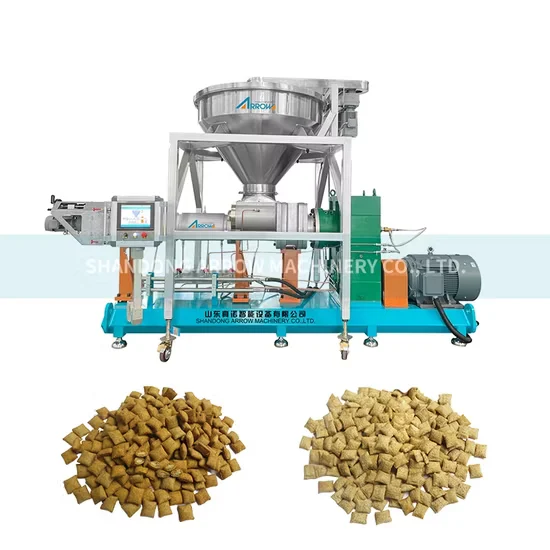
If you are purchasing a Twin-Screw Extruder, verify that the scope includes extrusion technology or similar thermal processing equipment. For downstream processes, check if drying and coating machines are listed. For instance, when specifying a Vacuum Coating Machine for high-fat kibble, the certificate should reflect the capability to manufacture such precision equipment. If the scope only lists “metal fabrication” or “trading,” the manufacturer may not have a certified quality system for the actual engineering and assembly of your process line.
Mismatched scopes are a common red flag. A supplier might hold a valid certificate for their trading arm but outsource manufacturing to an uncertified factory. In such cases, the certificate does not cover the physical production of the machine. Always cross-reference the scope with the technical specifications of the equipment you are buying. If the certificate does not mention the specific type of machinery, ask for clarification or seek a supplier whose certification aligns with your technical needs.
Confirm Legal Entity and Manufacturing Address
Discrepancies between the name on the certificate and the name on your contract are a major warning sign. Ensure the legal entity name on the ISO 9001 certificate matches the business license and the proforma invoice exactly. Minor variations in spelling or structure can indicate that the certificate belongs to a different branch, a parent company, or even an unrelated entity.
Equally important is the address. The certified address should match the actual factory location where your equipment will be manufactured. Many trading companies present certificates from factories they partner with, claiming they represent the manufacturer. However, if the certificate lists a different address than the one you plan to visit or ship from, you may not be dealing with the certified manufacturer directly. This disconnect can complicate quality control and after-sales support.
Request a video call or a live virtual tour of the facility listed on the certificate. Verify that the production base matches the scale and capabilities described in their marketing materials. For large projects involving complete lines, such as a Dry Pet Food Production Line or an Aquatic Feed Production Line, ensuring the certified site has the capacity to handle your order is vital. If the supplier hesitates to share real-time footage of the factory floor, proceed with caution.
Request Original Documents and Audit Reports
Digital copies are easy to alter. Always request a clear, high-resolution scan of the original certificate. Check for security features, such as holograms or specific watermarks, which vary by certification body. Legitimate manufacturers like Arrow will provide these documents willingly as part of their standard pre-sales transparency. Suppliers who make excuses or delay providing original scans may be hiding inconsistencies.
Beyond the certificate itself, ask for the latest surveillance audit report. This document details the findings of the most recent external audit, including any non-conformities and corrective actions taken. Reviewing this report gives you insight into the supplier’s commitment to continuous improvement. It shows whether they address issues promptly or ignore them. A clean audit history with minor, resolved non-conformities is often a better indicator of reliability than a perfect but opaque record.
Look Beyond ISO 9001 for Machinery Compliance
ISO 9001 is a management system standard, not a product safety or performance certificate. It ensures that processes are documented and followed, but it does not guarantee that a specific machine meets electrical safety or hygiene standards. For exports to Europe, you must verify CE marking compliance for each machine. For other regions, check for relevant national standards.
Product-specific certifications are separate from ISO 9001. For example, a Cross-Flow Circulation Dryer must meet specific electrical and mechanical safety directives. Do not assume that an ISO 9001 certificate covers these requirements. Ask for the Declaration of Conformity and test reports for individual machines. This distinction is critical for avoiding customs delays or safety liabilities in your home country.
Understanding this separation helps you build a complete compliance package. While ISO 9001 assures you of consistent manufacturing practices, product certifications assure you of safety and regulatory adherence. Both are necessary for a smooth import and commissioning process. Relying solely on ISO 9001 leaves gaps in your risk management strategy, particularly for complex systems involving high temperatures, pressures, or electrical components.
Frequently Asked Questions
Q: Can I trust a PDF of an ISO 9001 certificate sent by email?
A: Never rely solely on a PDF without verification. Digital files can be easily edited. Always cross-check the certificate number and company details on the official website of the issuing accreditation body. Request the original scanned copy with visible security features and compare it with the data in the public registry to ensure authenticity.
Q: What if the certificate scope says “food machinery” but I am buying a pet food extruder?
A: “Food machinery” is often too broad. Check if the scope specifically includes extrusion, drying, or complete processing lines. If it is vague, ask the supplier for clarification or evidence that their quality system covers the specific engineering challenges of pet food extrusion. A more detailed scope reduces the risk of mismatched quality controls.
Q: How long is an ISO 9001 certificate valid, and how do I check if it has expired?
A: Certificates are typically valid for three years, with annual surveillance audits. Check the issue and expiry dates on the document. Use the accreditation body’s online database to confirm the current status. An expired or suspended certificate means the supplier’s quality system is not currently monitored, which increases your risk of receiving inconsistent equipment.
Q: Does ISO 9001 certification guarantee the quality of the final pet food kibble?
A: No. ISO 9001 certifies the management system, not the product quality. It ensures processes are consistent, but the final kibble quality depends on recipe formulation, screw configuration, and process parameters. You must validate the machine’s performance through trials and technical specifications, not just rely on the supplier’s management certification.
To ensure your next production line meets both quality and compliance standards, start with a clear technical review. Share your raw material formula, target capacity, and product specifications to receive a detailed equipment configuration. Request technical specifications and layout diagrams to verify that every component, from extrusion to coating, aligns with your operational goals before committing to a purchase.