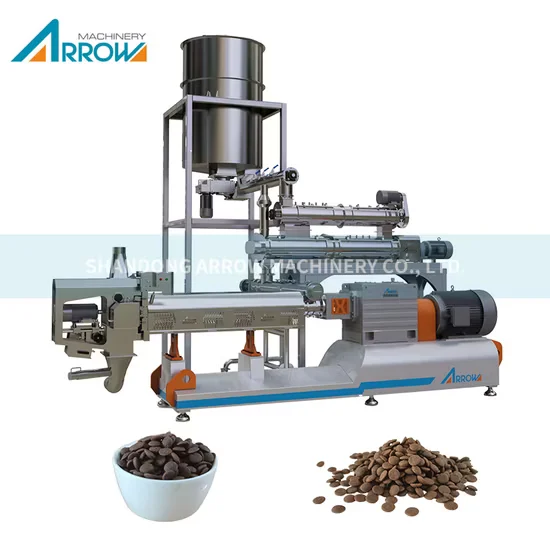
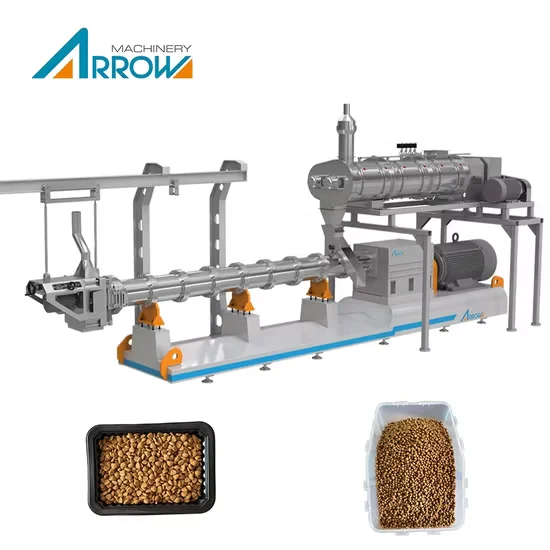
Many buyers calculate the total investment for a new facility but underestimate how packaging and container loading affect the final landed cost and delivery safety. A poorly packed pet food production line shipping plan can lead to rusted shafts, bent screws, or wasted ocean freight space due to inefficient stacking.
The solution lies in treating export logistics as an extension of process engineering. By applying modular disassembly strategies and rigorous moisture-proof standards, you ensure that core equipment like extruders and dryers arrive ready for installation while maximizing container utilization to control sea freight expenses.
Industrial-Grade Protection for Extrusion and Drying Cores
Ocean freight subjects machinery to constant vibration, humidity fluctuations, and temperature shifts. For high-value assets like a Twin-Screw Extruder, standard wooden crating is insufficient. The internal components, particularly the screw shafts and barrel segments, must be secured against lateral movement. I once saw a shipment where heavy screws shifted during transit because they were not blocked properly inside the crate, resulting in bent shafts and weeks of delay. To prevent this, we use vacuum-sealed aluminum foil bags combined with desiccants to create a moisture-free microenvironment before placing the unit in a reinforced wooden case.
Electrical systems require separate attention. Control panels and variable frequency drives are sensitive to condensation. These units are packed in independent, sealed boxes with additional shock-absorbing foam. For machines like the Cross-Flow Circulation Dryer, which has a large surface area, we apply anti-rust oil to all exposed metal surfaces and wrap them in stretch film before crating. This layer protects the steel from salt air corrosion during long voyages.
Spare parts and wear components, such as die plates and cutter blades, are packed in small, labeled steel or hard plastic cases. These are then placed inside the main machine crates or in a dedicated consolidated box to prevent loss. This segregation ensures that critical spares are easily accessible during commissioning without searching through bulk packaging.
Modular Disassembly for Maximum Container Efficiency
A complete pet food production line shipping strategy begins with how you break down the line. Large equipment like mixers and dryers often have bulky frames that waste vertical space if shipped assembled. We analyze the dimensions of each module against standard 20GP and 40HQ container interiors. For instance, the frame of a large Ribbon Mixer may be detached from the drum, allowing the drum to be nested inside other hollow structures or stacked securely.
This modular approach is crucial for turnkey projects. A wet food meat chunks processing line involves multiple tanks, pumps, and sterilization units. By dismantling non-structural pipes and removing external cladding where safe, we reduce the overall volume significantly. This optimization allows more equipment to fit into fewer containers, directly lowering sea freight costs and reducing the risk of split shipments.
| Equipment Type | Packing Strategy | Container Optimization Benefit |
|---|---|---|
| Twin-Screw Extruder | Vacuum seal + Wooden crate | Protects precision screws; standard footprint |
| Cross-Flow Dryer | Anti-rust oil + Film wrap | Reduces volume by removing external panels |
| Vacuum Coating Machine | Separate pump & drum packing | Allows nesting of smaller components |
| Control Panels | Independent sealed boxes | Prevents moisture damage; easy identification |
When planning for a dry pet food kibble line, the dryer is often the largest single item. By separating the heating chamber from the fan assembly and ductwork, we can utilize the dead space in the container corners. This careful planning ensures that a full line, including grinding and mixing sections, fits efficiently without requiring expensive open-top containers or break-bulk shipping.
Strategic Loading and Securing for Turnkey Lines
Choosing between a 20GP and a 40HQ container depends on the height and volume of your equipment. Most pet food production line shipping plans favor 40HQ containers for their extra vertical space, which is essential for tall dryers and silos. However, heavy items like extruder bases must be placed on the container floor to maintain a low center of gravity. Lighter items, such as packaged spare parts or electrical cabinets, can be stacked above if properly supported.
Securing the cargo is as important as packing it. We use heavy-duty steel straps and wooden blocking to fix every crate to the container floor rings. This prevents any movement during rough seas. I recall a lesson learned early in my career: simply fitting crates into a box is not enough. You must calculate weight distribution to avoid tilting the container when lifted by cranes at transshipment ports.
Before loading, we generate a 3D loading plan. This visual guide helps the loading team place heavy items first and fill gaps with lighter crates. It also serves as a reference for the unloading team at your destination. For complex lines, such as those producing floating fish feed, where buoyancy control relies on precise drying and extrusion coordination, ensuring all modules arrive undamaged is critical for maintaining process consistency.
Documentation and Destination Unpacking Protocols
Proper documentation prevents customs delays and clarifies liability. Each container must include a detailed packing list, commercial invoice, and a photo log of the loading process. These documents should match the marks on the crates exactly. When the container arrives at your factory, do not rush to unpack. Inspect the exterior for any signs of impact or water ingress first.
Take photos of the container seals and exterior condition before opening. Once inside, check the moisture indicator cards inside the vacuum packs. If any crate shows signs of crushing or wetness, document it immediately with time-stamped photos. This evidence is vital for insurance claims. Only then should you proceed to remove the packaging, keeping all materials until the equipment is fully inspected and commissioned.
Frequently Asked Questions
Q: How do you prevent moisture damage to twin-screw extruders during ocean freight?
A: We use vacuum-sealed aluminum foil bags with desiccants to create a dry microenvironment around the extruder barrel and screws. This package is then placed in a reinforced wooden crate. This method effectively blocks salt air and humidity, preventing rust on precision-machined surfaces during long sea voyages.
Q: Can a complete pet food production line fit into standard 40HQ containers?
A: Yes, most lines can be optimized to fit into standard 40HQ containers through modular disassembly. By removing external cladding, detaching frames, and nesting smaller components, we maximize space utilization. This approach avoids the need for expensive special shipping methods and keeps logistics costs manageable.
Q: What should we check immediately when the containers arrive at our factory?
A: Inspect the container exterior for dents or holes and check the seal integrity. Take photos before opening. Inside, verify that crates are secure and check moisture indicator cards in vacuum packs. If any damage or wetness is visible, document it with photos immediately before unpacking to support potential insurance claims.
Q: Do you provide 3D loading plans before shipping the equipment?
A: Yes, we create a detailed 3D loading plan for every shipment. This plan shows the exact position of each crate inside the container, ensuring balanced weight distribution and optimal space use. It serves as a guide for both our loading team and your unloading crew, ensuring a smooth handover.
Send your product formula, required capacity, and factory dimensions to receive a customized quote. This proposal will include equipment configuration, workshop layout, and a detailed export logistics plan to ensure your line arrives safely and efficiently.