
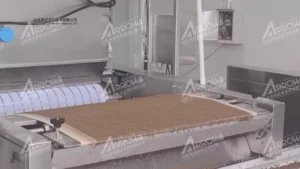
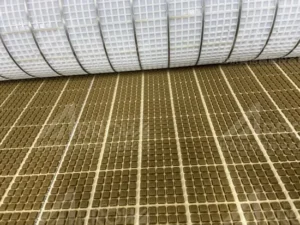
Process & Design
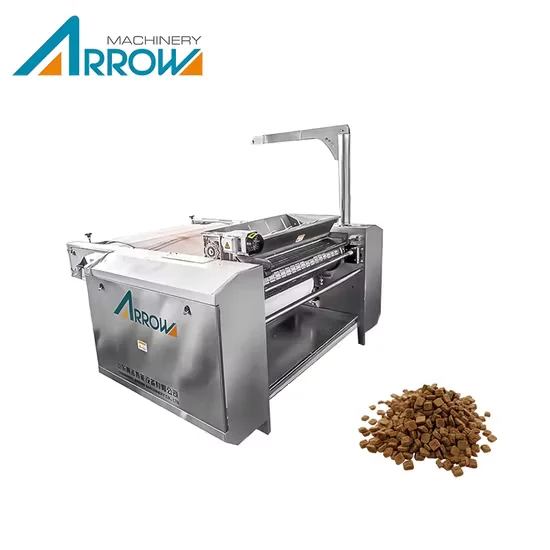
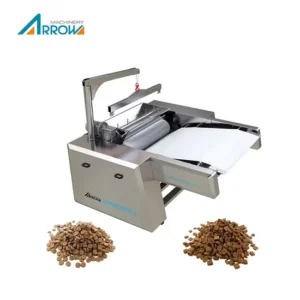
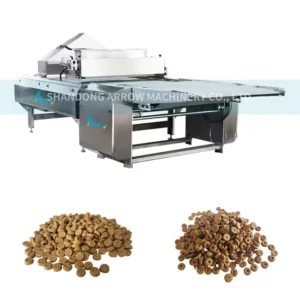
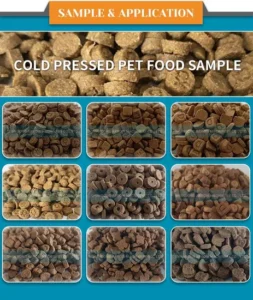
How Cold Press Dog Treat Biscuit Baked Pet Food Equipment works in your plant
Recipe-based configuration and trials — Screw design and thermal profiles are matched to your specific raw material mix before production begins.
Technical Specifications
| Parameter | Value |
|---|---|
| Product | LYE400/1000 Twin-Screw Extruder for Pet Food |
| Model | LYE400, LYE1000 |
| Capacity | 500-6000kg/H |
| Main Equipment | Double-Screw Extruder |
| Raw Material | Fish Powder, Born Meal, Corn, Soyabeen |
| Feed Type | Meat and Bone Meal |
| Voltage | 220/380/Customized |
| Material | 304 Stainless Steel |
| Power Source | Electric |
| Automatic Grade | Automatic |
| Operation | Fully Automatic |
| Process | Thermal Processing |
| Heating Tempeature | Adjustable |
| Feeder | Loss Weight Type/ Volumetric Feeder |
| Feeding Speed | Adjustable |
| Application | Dog, Cat |
| Final Product | Animal Feed Food |
| Advantage | Low Consumption High Efficiency |
| Function | Animal Feed Puffed Pellet Machine |
| Customized | Customized |
| Transport Package | Support Sea Freight |
| Specification | 1350 KG, dimension(LWH): customizable |
| Origin | Shandong, China |
| HS Code | 84388000 |
Application Suitability
| Product / Industry | Typical Use |
|---|---|
| Dry Pet Food Manufacturers | Production of puffed kibble for dogs and cats using corn, soybean, and meat meal blends. |
| Pet Treat Producers | Manufacturing of textured treats requiring consistent shape and density control. |
| Private-Label Processors | High-efficiency automated extrusion for contract manufacturing of standard animal feed formulas. |
Why Kibble Size Drifts After Two Hours of Running
Consistent pellet formation depends on precise thermal control and stable feeding, not just the recipe.
Many formulations that perform well in laboratory trials fail during continuous production. I have seen high-meat cold press dog treat recipes jam dies because the screw configuration did not match the viscosity changes under heat. Without adjustable heating temperatures and precise feeding speeds, extruded treats develop messy tails and uneven moisture content. This inconsistency leads to product damage after extrusion and potential quality issues in final packaging.
Integration in Your Production Line
This twin-screw extruder serves as the core forming unit in a dry pet food or treat line. It receives pre-mixed ingredients from upstream grinding and mixing systems, where particle size and homogeneity are critical. The extruder processes the blend through thermal conditioning and pressure before cutting it into desired shapes. Downstream, the formed pellets move directly to drying systems to reduce moisture and stabilize the structure for coating or packaging.
Production Challenges in Extrusion
Raw material variability, such as changes in starch quality or fresh meat content, can disrupt extrusion stability. High-fat formulations may slip in the barrel if the screw design does not provide enough friction. Maintaining uniform particle density requires balancing the feeding speed with the screw rotation rate. Inconsistent moisture control during thermal processing can lead to brittle products or excessive expansion. Continuous operation demands equipment that handles these fluctuations without frequent stoppages for cleaning or adjustment.
Core Specification Insights
The LYE series uses a double-screw design to ensure thorough mixing and cooking of ingredients like fish powder and bone meal. Adjustable heating temperature allows operators to fine-tune the degree of cook and expansion for different recipes. The system supports both loss weight and volumetric feeders, enabling precise control over the input rate to match output capacity. Constructed with 304 stainless steel, the contact parts meet hygiene standards for animal feed production. Fully automatic operation reduces manual intervention, ensuring consistent throughput from 500 to 6000 kg/h depending on the model selected.
Hidden Costs of Poor Selection
Choosing an extruder without considering raw material behavior can lead to chronic underperformance. If the machine cannot handle the specific viscosity of your formula, you may face frequent blockages and downtime. Inadequate capacity matching forces producers to run equipment beyond its optimal range, accelerating wear on screws and barrels. Retrofitting a line later to fix these issues often costs more than initial proper configuration. Unstable output quality results in batch rejections and wasted raw materials, eroding profit margins over time.
Why Source This Equipment from Arrow
We provide manufacturer-oriented supply of complete extrusion lines and individual processing machines, ensuring compatibility across all stages. Our application-based machine selection uses your specific ingredients and product specifications to configure the screw and die appropriately. Raw-material trials and testing support help verify the process before full-scale production begins, reducing implementation risk. Custom line layouts and engineering support accommodate new factories or retrofits within existing space constraints. Export project coordination includes factory acceptance testing and options for overseas commissioning to ensure smooth startup. Ongoing process consultation and spare-parts support maintain long-term operational efficiency.
Documentation & Delivery
- Detailed technical specifications and layout drawings for site planning.
- Operational manuals covering startup, shutdown, and routine maintenance procedures.
- Factory acceptance test records verifying performance against agreed parameters.
- Export documentation including commercial invoices and packing lists per contract.
- Certificate files provided as per current legal entity and model scope requirements.
- Protective export packaging suitable for sea freight transport to destination ports.
Installation, Operation & Maintenance
- Ensure foundation and floor space match the customizable dimensions and weight load.
- Connect power supply according to specified voltage (220/380V or customized) and frequency.
- Conduct initial trial runs with actual raw materials to calibrate feeding and heating settings.
- Perform daily cleaning of screw barrels and dies to prevent residue buildup and contamination.
- Replace worn screw elements and bearings based on inspection schedules to maintain efficiency.
- Adjust feeder speed and cutter rotation during changeovers to accommodate different product shapes.
Request a Configuration Quote
Provide your target product type, raw material formulation, and required output capacity in kg/h. Specify desired product shape, size, and moisture targets along with available factory dimensions. Include details on local utility constraints such as voltage and heat source availability. You will receive a preliminary configuration, layout proposal, and formal quotation tailored to your process needs.
Frequently Asked Questions
Q: What raw materials can be processed with the LYE series extruder?
A: The LYE series handles ingredients such as fish powder, bone meal, corn, and soybean. It is designed for meat and bone meal-based formulas commonly used in dry pet food and treat production. The double-screw design ensures effective thermal processing of these diverse raw material blends.
Q: How do I choose between the LYE400 and LYE1000 models based on capacity?
A: Selection depends on your required hourly output. The LYE400 and LYE1000 models cover a capacity range from 500 to 6000 kg/h. Evaluate your production goals and operating schedule to determine which model aligns with your throughput needs and facility scale.
Q: Can the heating temperature and feeding speed be adjusted for different recipes?
A: Yes, both heating temperature and feeding speed are adjustable. This flexibility allows optimization of product texture and density for various formulations. You can use loss weight or volumetric feeders to achieve precise control over the input rate during operation.
Q: Is the machine suitable for both dog and cat food production?
A: Yes, the extruder is applicable for producing animal feed food for both dogs and cats. It creates puffed pellets suitable for dry kibble and treats. The customizable screw configuration and die options allow adaptation to different product shapes and sizes required by each species.
Q: What are the power and voltage requirements for installation?
A: The standard voltage options are 220V or 380V, but customized configurations are available. The power source is electric, and the machine operates automatically. Confirm your local utility specifications during the inquiry to ensure the electrical system matches your factory infrastructure.
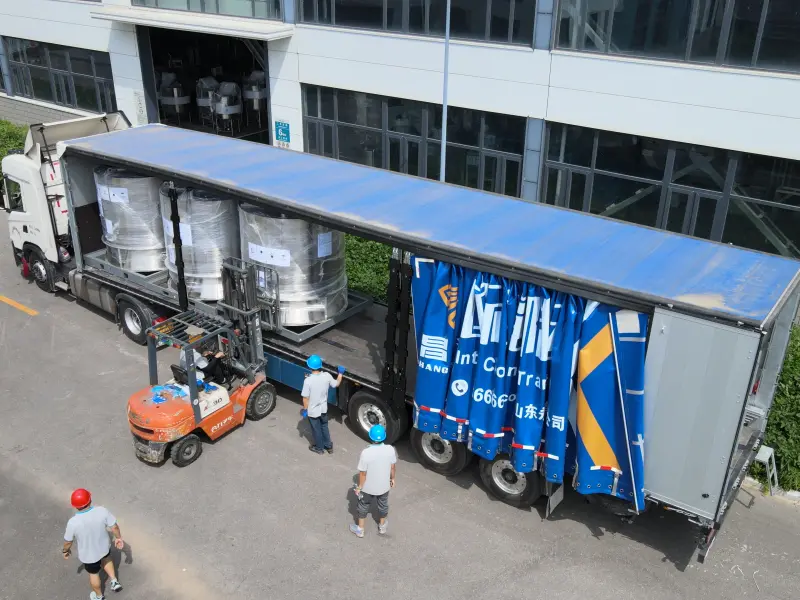
Shipping
Container sea freight or rail · spare parts by air
Delivery & Support
From factory acceptance to stable production
Every Shandong Arrow Machinery machine ships with full documentation, on-site commissioning support and a spare-parts channel tied to its serial number, so your line keeps running after start-up.
-
Shipping documents
Equipment specification, configuration list, drawings where applicable, operation manual, packing list, commercial invoice and export documents.
-
Testing & inspection
Factory test records, videos, inspection reports and material declarations, by product type and contract.
-
Installation & training
Installation, commissioning, operator training and maintenance guidance, with the scope set in your contract.
-
Spare parts
Screws, extrusion dies, gearboxes and wear parts, supplied against your machine's serial number or model.
Same Category
Related pet food machines
These machines and lines sit in the same process family, so you can build a complete line or add a single stage with them.

Cold Extrusion Pet Food Production Equipment System
View details
Dog Puppy Biscuit Making Equipment with CE Certificate
View details
Industrial Dog Biscuit Plant for Pet Treat Manufacturing
View details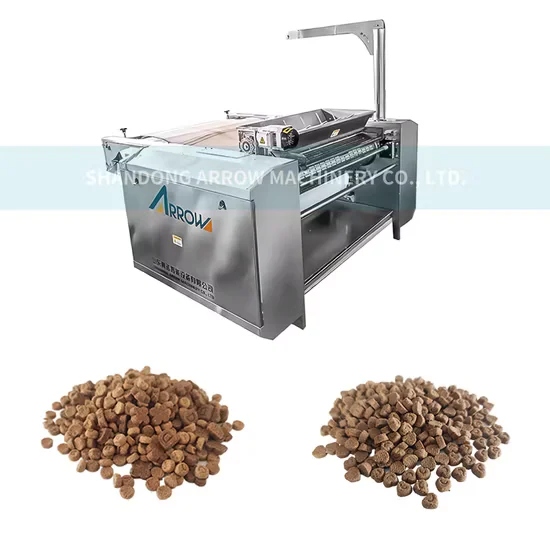
Arrow Cold Press Pet Food Forming Equipment Baked Meat Plant
View details
Not sure this configuration fits your formula?
Tell us your target product, raw materials and output in kg/h. Our engineers confirm the process first, then recommend the extrusion and drying setup.
Applications
Pet products this machine is built for
This equipment is configured for the pet product types below. Open an application to see the full process route and matching machines.
Engineering Notes
Selection guides & technical articles
Read how process engineers choose extrusion, drying and coating setups for pet food before they commit to a configuration.
FAQ
Questions buyers ask about this machine
Short answers on trials, lead time, documents and spare parts from Shandong Arrow Machinery, a pet food machinery manufacturer in Jinan, China.
Can I test my formula before I order?
Yes. Where conditions allow, we arrange formula and process trials on our process test platform, and you can send your own raw material for testing. Agreed raw-material tests are completed before production or shipment.
What is the lead time?
The lead time is stated in your formal quotation, based on the confirmed model, configuration and scope of supply. Machines ship by container sea freight or rail, and spare parts can go by air.
Which documents come with the machine?
You receive the final equipment specification, configuration list, equipment drawings where applicable, operation manual, packing list, commercial invoice and export or shipping documents. Factory test records, videos, inspection reports and material declarations are provided according to product type and contract.
How do I get spare parts after commissioning?
Send us your machine's serial number or model and we match the right parts. We supply screws, extrusion dies, gearboxes and wear parts, along with process consultation and service.
More answers on our pet food machinery FAQ page.
Request a quote for Cold Press Dog Treat Biscuit Baked Pet Food Equipment
Share your target product and output. You receive a technical proposal with model, scope of supply and options.
- WhatsApp +86 137 9316 7756
- Email info@arrowextrusion.com
- No. 47 Chengbohu Road, Jibei Subdistrict, Jiyang District, Jinan, Shandong, China