
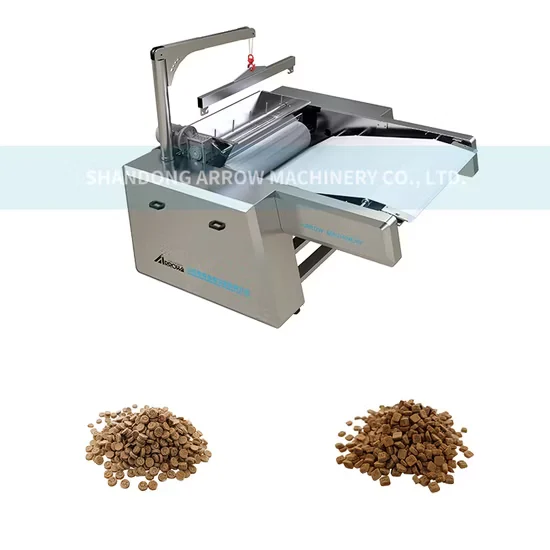


Process & Design
How High Protein Cold Pressed Pet Dog Biscuit Making Equipment works in your plant
Configured for formulation trials — Screw geometry is adjusted based on your specific meat and bone meal ratios before assembly.
Technical Specifications
| Parameter | Value |
|---|---|
| Product | LYE Low-Temperature Cold Extruder |
| Model | LYE |
| Capacity | 100-600kg/h |
| Power Source | Electric |
| Automatic Grade | Fully Automatic |
| Application | Dog, Cat |
| Feed Type | Meat and Bone Meal |
| Inverter | Rexroth |
| PLC | Siemens |
| Touch Food Part | Food Grade Use |
| Feeding Speed | Adjustable |
| Screw | Modular Design, Easy Replacement |
| Cooling Die | Clam Shell, Opening Type |
| Motor | Siemens |
| Heating Temperature | Adjustable |
| Feeder | Loss Weight Type/ Volumetric Feeder |
| Dimension | Adjust, Flexible |
| Barrel | Modular Design, Easy Replacement |
| Waste | Zero |
| Transport Package | Standard and Wooden Case Packing |
| Origin | China |
| HS Code | 84388000 |
Application Suitability
| Product / Industry | Typical Use |
|---|---|
| High-protein pet biscuits | Formulations with meat and bone meal requiring low-temperature processing |
| Soft chewable treats | Heat-sensitive snacks where nutrient retention is critical |
| Private-label treat plants | Automated production of specialized dog and cat snacks with minimal waste |
| Dry pet food producers | Manufacturing consistent shapes for premium kibble lines |
Why High-Meat Biscuits Crack in Traditional Extruders
Low-temperature control prevents thermal degradation and die jamming.
I once ran a factory where high-protein dough constantly jammed at the die of a cheap biscuit machine. Every batch came out cracked or misshapen, forcing us to scrap tons of product and spend days cleaning the barrel. Traditional high-heat extrusion often cooks the protein too fast, causing it to set before it can form properly. This leads to inconsistent shaping and nutrient loss in heat-sensitive formulations. Without precise pressure and temperature balance, even the best recipe fails in mass production.
Where the LYE Fits in Your Process
The LYE Low-Temperature Cold Extruder sits after mixing and before drying. It receives prepared meat and bone meal blends from upstream mixers. The machine forms the dough into specific biscuit shapes using controlled pressure. Downstream, the formed products move directly to drying systems to stabilize moisture. This integration ensures that the cold extrusion process maintains product integrity before thermal processing begins.
Production Challenges with High-Protein Doughs
High-meat formulations behave differently than standard starch-based mixes. They are stickier and more sensitive to heat fluctuations during forming. If the temperature rises even slightly, the protein can coagulate prematurely inside the barrel. This causes uneven particle dimensions and poor finished-product consistency. Cleaning such residues from fixed barrels is time-consuming and costly. Maintaining continuous run stability requires equipment that can adapt to these viscous materials without clogging.
How Modular Design Solves Forming Issues
The LYE uses a modular screw and barrel design for easy replacement and configuration. This allows us to adjust the compression ratio specifically for your meat and bone meal ratio. The clam shell opening type cooling die ensures efficient product release and shape retention. By keeping the temperature adjustable and low, we preserve nutrients that high heat would destroy. The Siemens PLC and Rexroth inverter provide precise control over feeding speed and motor torque. This level of automation reduces human error and ensures repeatable results across batches.
The Hidden Cost of Wrong Equipment Selection
Choosing an extruder that cannot handle your specific formulation leads to hidden costs. You may face constant downtime due to die clogs and barrel jams. Entire batches might need reworking or disposal if shapes are inconsistent. Spare parts for non-modular systems are often harder to source and replace. Expanding capacity later may require replacing the entire unit instead of upgrading modules. These operational inefficiencies erode profit margins faster than initial equipment savings.
Why Source This Extruder from Arrow
We design screw configurations specifically for tricky high-meat recipes based on real testing. Our team assesses your raw materials and process requirements before specifying the system. The modular design allows for flexible adaptation to different treat shapes and densities. We support both standalone machine purchases and integrated line projects for new factories. Export project coordination includes factory acceptance testing to verify performance before shipping. Ongoing process consultation helps you optimize recipes for the LYE’s capabilities.
Documentation & Delivery
- Detailed technical specifications sheet for the LYE model components.
- Factory layout drawings showing footprint and utility connection points.
- Comprehensive operation manual covering Siemens PLC interface usage.
- Recorded factory acceptance test results for your specific formulation trial.
- Export documentation including commercial invoice and packing list.
- Standard wooden case packing designed for ocean freight protection.
Installation, Operation & Maintenance
- Ensure factory floor meets dimension requirements for flexible LYE placement.
- Connect electric power source matching the Siemens motor voltage specifications.
- Conduct initial trial runs with your actual meat and bone meal blend.
- Clean food-grade contact parts regularly to prevent residue buildup.
- Replace modular screw and barrel sections easily when wear occurs.
- Adjust feeding speed via Rexroth inverter for different product densities.
Start Your Configuration Request
Provide your target product type, such as high-protein dog biscuits or cat treats. Share your raw material formulation, especially fresh meat or bone meal ratios. Specify your required output capacity between 100-600kg/h and operating schedule. Include your factory dimensions, power frequency, and destination country details. You will receive a preliminary configuration, layout options, and a formal quotation. We can also arrange raw material trials to validate the process before purchase.
Frequently Asked Questions
Q: What is the difference between cold extrusion and standard twin-screw extrusion for pet treats?
A: Cold extrusion operates at lower temperatures to preserve heat-sensitive nutrients and proteins. Standard twin-screw extruders often use high heat for starch gelatinization. The LYE model focuses on forming high-meat doughs without cooking them excessively. This results in better texture and nutritional value for premium treats. It is ideal for products that require specific shaping without thermal degradation.
Q: Can the LYE extruder handle high-meat-content formulations without clogging?
A: Yes, the modular screw design is configured specifically for your formulation. We adjust the compression and shear forces to manage sticky doughs. The clam shell cooling die prevents jamming by allowing easy release. Our testing platform validates these settings with your actual ingredients before shipment. This ensures smooth operation and consistent product shape during production runs.
Q: What are the power and space requirements for a 100-600kg/h cold extrusion setup?
A: The LYE is fully automatic and electric, powered by Siemens motors. Space requirements depend on the specific capacity model selected within the 100-600kg/h range. Dimensions are flexible and can be adjusted to fit your existing layout. You must provide your local voltage and frequency details for proper motor configuration. Our engineering team will provide exact footprint drawings during the quotation phase.
Q: Is it possible to conduct a raw material trial before purchasing the machine?
A: Yes, we offer raw material trials and testing support at our facility. You can send your specific formulation for evaluation on our testing platform. This allows us to fine-tune the screw configuration and process parameters. Trial availability and costs are confirmed during the technical review stage. This step ensures the equipment meets your quality standards before commitment.
Q: How does the modular screw design impact long-term maintenance costs?
A: Modular screws and barrels allow for easy replacement of worn sections only. You do not need to replace the entire shaft or barrel assembly. This reduces spare parts inventory and lowers long-term maintenance expenses. The design also simplifies cleaning and changeover between different product recipes. Easy access to internal components minimizes downtime during routine maintenance checks.
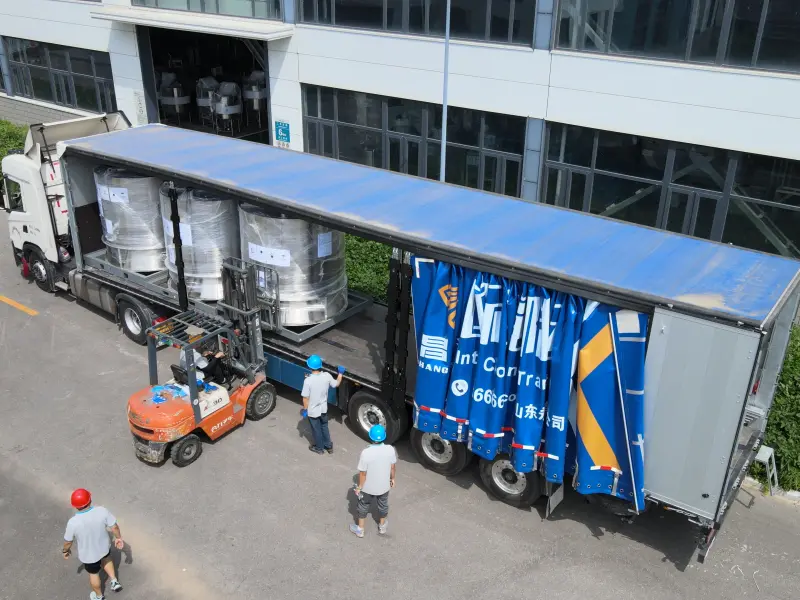
Shipping
Container sea freight or rail · spare parts by air
Delivery & Support
From factory acceptance to stable production
Every Shandong Arrow Machinery machine ships with full documentation, on-site commissioning support and a spare-parts channel tied to its serial number, so your line keeps running after start-up.
-
Shipping documents
Equipment specification, configuration list, drawings where applicable, operation manual, packing list, commercial invoice and export documents.
-
Testing & inspection
Factory test records, videos, inspection reports and material declarations, by product type and contract.
-
Installation & training
Installation, commissioning, operator training and maintenance guidance, with the scope set in your contract.
-
Spare parts
Screws, extrusion dies, gearboxes and wear parts, supplied against your machine's serial number or model.
Same Category
Related pet food machines
These machines and lines sit in the same process family, so you can build a complete line or add a single stage with them.
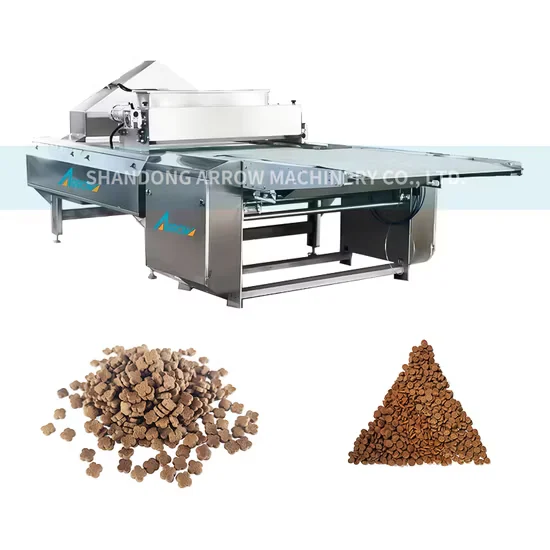
Cold Press Pet Food Forming Equipment for Baked Pet Food Plant
View details
Automatic Cold Press Forming Equipment for Baked Pet Food Plant
View details
Baked Pet Food Production Line Equipment for Cold-Pressed Feed Processing
View details
Automatic Cold Press Baked Pet Food Forming Equipment
View details
Not sure this configuration fits your formula?
Tell us your target product, raw materials and output in kg/h. Our engineers confirm the process first, then recommend the extrusion and drying setup.
Applications
Pet products this machine is built for
This equipment is configured for the pet product types below. Open an application to see the full process route and matching machines.
Engineering Notes
Selection guides & technical articles
Read how process engineers choose extrusion, drying and coating setups for pet food before they commit to a configuration.
FAQ
Questions buyers ask about this machine
Short answers on trials, lead time, documents and spare parts from Shandong Arrow Machinery, a pet food machinery manufacturer in Jinan, China.
Can I test my formula before I order?
Yes. Where conditions allow, we arrange formula and process trials on our process test platform, and you can send your own raw material for testing. Agreed raw-material tests are completed before production or shipment.
What is the lead time?
The lead time is stated in your formal quotation, based on the confirmed model, configuration and scope of supply. Machines ship by container sea freight or rail, and spare parts can go by air.
Which documents come with the machine?
You receive the final equipment specification, configuration list, equipment drawings where applicable, operation manual, packing list, commercial invoice and export or shipping documents. Factory test records, videos, inspection reports and material declarations are provided according to product type and contract.
How do I get spare parts after commissioning?
Send us your machine's serial number or model and we match the right parts. We supply screws, extrusion dies, gearboxes and wear parts, along with process consultation and service.
More answers on our pet food machinery FAQ page.
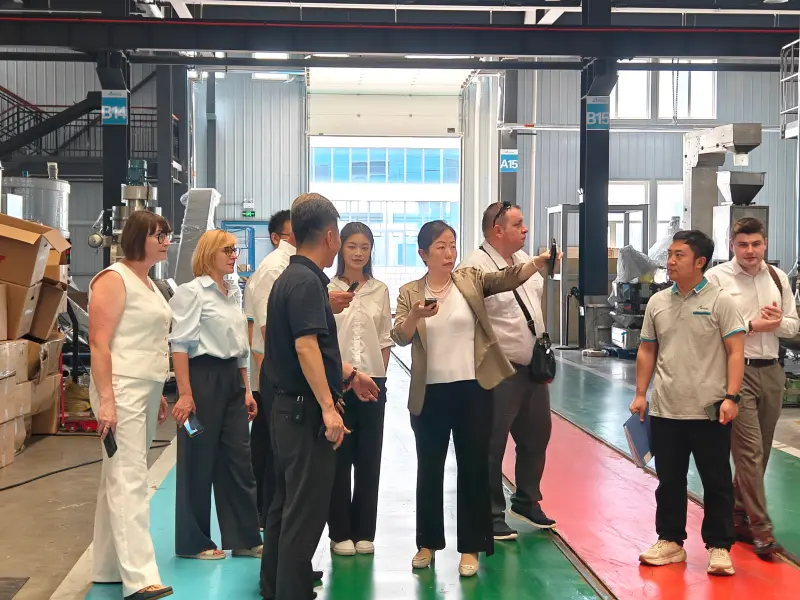
Request a quote for High Protein Cold Pressed Pet Dog Biscuit Making Equipment
Share your target product and output. You receive a technical proposal with model, scope of supply and options.
- WhatsApp +86 137 9316 7756
- Email info@arrowextrusion.com
- No. 47 Chengbohu Road, Jibei Subdistrict, Jiyang District, Jinan, Shandong, China