

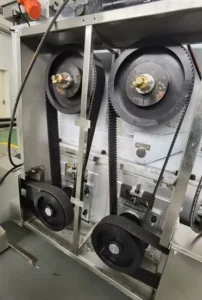
Process & Design
How Pet Food and Dog Biscuit Making Equipment Line works in your plant
Match screw to formula — Modular design allows configuration changes for specific raw material behaviors.
Technical Specifications
| Parameter | Value |
|---|---|
| Product | Twin-Screw Extruder AHT Series (500-6000 kg/h) |
| Model | AHT36, 50, 62, 72, 95, 100, 120, 132 |
| Production Capacity | 500-6000 kg/h |
| Extruder Screw | Double |
| Feeder | Loss Weight Type / Volumetric Feeder |
| Barrel | Modular Design, Easy Replacement |
| Screw | Modular Design, Easy Replacement |
| Operation | Fully Automatic |
| Touch Screen | Siemens |
| Motor | Siemens |
| Inverter | Rexroth |
| Heating Temperature | Adjustable |
| Technology | Extrusion-Drying-Cooling |
| Heating Power for Dryer | Electric, Natural Gas, Diesel, Steam |
| Compressed Air | Needed |
| Factory Dust | Zero |
| Flour Leakage | Zero |
| Touch Food Part | Food Grade Use |
| Warranty | 1 Year Without Normal Wear Parts |
| After-sales Service | Provide |
| Customization | Available |
| Transport Package | Support Seas Freight |
| Origin | Shandong, China |
| HS Code | 84388000 |
Application Suitability
| Product / Industry | Typical Use |
|---|---|
| Dry Pet Food Manufacturers | Kibble production with consistent density and shape control |
| Aquafeed Producers | Floating and sinking fish feed pellets with controlled buoyancy |
| Pet Treat Makers | Expanded snacks and pillow treats using precise forming |
| Private-Label Contract Processors | Flexible line setups for varied client formulations |
Why Kibble Size Drifts After Two Hours of Running
Stable extrusion requires matching screw configuration to ingredient shear sensitivity.
Laboratory formulas often behave differently in mass production. I have seen perfect lab batches turn into uneven pellets with messy tails once the twin-screw extruder runs at full capacity in a cold plant. This drift usually stems from mismatched thermal profiles or inconsistent feeding rather than machine failure. When upstream mixing and downstream drying are not balanced with the extruder duty point, moisture inconsistency damages product structure. Coordinating these stages prevents the common issue where initial output looks clean but degrades as heat builds up in the barrel.
Position in the Processing Flow
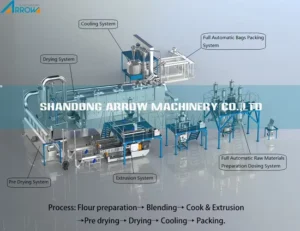
This Twin-Screw Extruder for Pet Food and Aquafeed sits at the heart of the forming stage. It receives conditioned meal from the mixer and feeder, applying shear and heat to gelatinize starches and denature proteins. The formed product exits through the die cutter before moving to the drying system. Proper integration ensures that the extruder output matches the dryer capacity, preventing bottlenecks or over-drying that compromises texture.
Production Challenges in Real Plants
Raw material batches vary in moisture and protein content, affecting how the meal flows through the feeder. High fresh meat or oil content can cause slippage if the feeder is not precise enough. Maintaining consistent particle shape requires stable pressure inside the barrel, which fluctuates if the screw configuration is not optimized for the specific recipe. Switching between floating and sinking feeds demands quick adjustments to density controls without long downtime. Continuous stability depends on managing heat generation from friction alongside external heating elements.
Core Specification Insights
The modular screw and barrel design allows engineers to swap segments for different products without replacing the entire unit. This flexibility is critical when producing both dense kibble and light expanded treats on the same line. Siemens motors and touch screens provide precise control over rotation speed and temperature zones, ensuring repeatable results. The Rexroth inverter manages power delivery smoothly, reducing mechanical stress during startup. Loss weight feeders adjust dosing in real time, maintaining constant fill levels even with variable bulk density ingredients. Zero flour leakage design keeps the factory floor clean, reducing maintenance time and contamination risks.
Hidden Costs of Poor Selection
Choosing an extruder based only on nominal capacity often leads to bottlenecks when actual throughput falls short due to recipe constraints. Inadequate screw configuration causes high reject rates, forcing entire batches to be reworked or discarded. Frequent breakdowns from poor component quality result in unplanned停机 and spare part expenses that exceed initial savings. Expanding capacity later may require replacing the entire unit if the original frame cannot support larger screws or higher torque motors.
Why Source This Equipment Here
Manufacturer-oriented supply ensures that complete lines and individual machines are engineered to work together. Integrated process coverage means the extruder is selected with drying and coating needs in mind, not in isolation. Application-based selection uses your specific ingredients and target product specs to define the right screw profile. Raw-material trials help verify behavior before finalizing the configuration, reducing commissioning surprises. Custom line layouts accommodate existing factory footprints or new build requirements. Export project coordination includes clear definitions for installation and training scope.
Documentation & Delivery
- Detailed technical specifications listing model capacities and power requirements
- Plant layout drawings showing equipment footprint and utility connections
- Operation manuals covering startup procedures and safety protocols
- Factory acceptance test records verifying performance before shipment
- Export documents including commercial invoices and packing lists
- Protective export packaging suitable for sea freight transport
Installation, Operation & Maintenance
- Ensure level foundation and adequate space for barrel module removal
- Connect power and compressed air lines according to electrical diagrams
- Conduct trial runs with actual raw materials to fine-tune feeder settings
- Clean barrel and screws thoroughly after each production batch to prevent buildup
- Replace wear parts like die plates and cutter blades as per maintenance schedule
- Adjust screw configuration modules when switching between product types
Request a Configuration Quote
Provide your target product type, raw material formulation, and required hourly capacity. Specify desired pellet shape, size, and moisture targets along with factory dimensions. Include details on available power voltage, frequency, and preferred heating sources. You will receive a preliminary equipment configuration, layout proposal, and formal quotation. Trial arrangements can be discussed to validate the process with your specific ingredients.
Frequently Asked Questions
Q: What capacity range does the AHT series cover and how to select the right model?
A: The AHT series covers 500 to 6000 kg/h across models like AHT36 to AHT132. Selection depends on your target hourly output and ingredient characteristics. Engineering teams review your formulation and desired product shape to recommend the optimal screw diameter and motor power for stable operation.
Q: Can the extruder handle high fresh meat content or specific ingredient ratios?
A: Yes, the system supports complex recipes using loss weight or volumetric feeders for precise dosing. High-meat formulations require specific screw configurations to manage viscosity. Trials are recommended to determine the best parameter settings for your unique ingredient ratios and moisture levels.
Q: What are the differences between loss weight and volumetric feeders?
A: Loss weight feeders measure material by weight decrease, offering higher accuracy for variable density ingredients. Volumetric feeders use fixed volume displacement, suitable for consistent bulk density meals. The choice depends on your raw material consistency and required precision for the final product quality.
Q: How is the modular screw design beneficial for product changeovers?
A: Modular screws allow swapping individual flight elements to change compression and shear profiles. This enables quick adaptation between different products like kibble and treats without replacing the entire screw shaft. It reduces downtime and cost when diversifying production lines for multiple product types.
Q: What heating options are available for the integrated drying system?
A: The system supports electric, natural gas, diesel, or steam heating for downstream dryers. Choice depends on local utility availability and cost efficiency. The extruder itself uses adjustable heating zones, while the drying section energy source is selected based on your plant infrastructure and operational preferences.
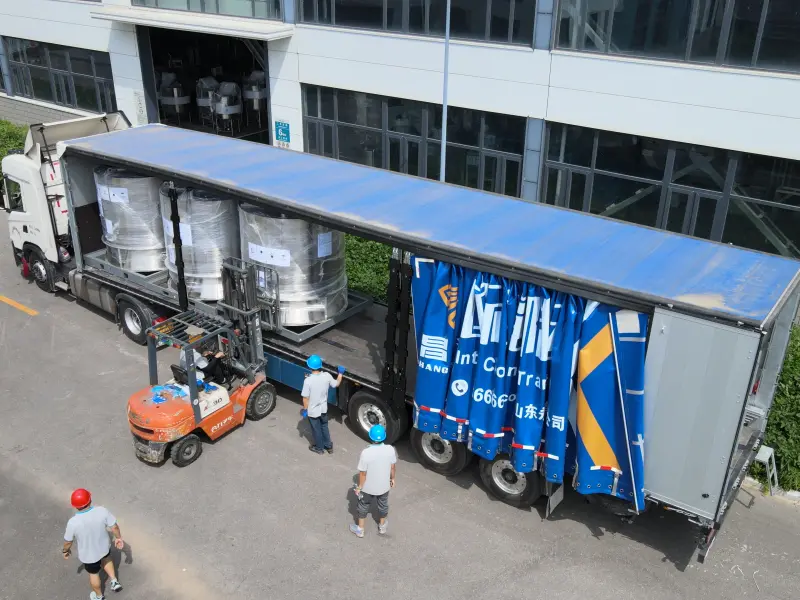
Shipping
Container sea freight or rail · spare parts by air
Delivery & Support
From factory acceptance to stable production
Every Shandong Arrow Machinery machine ships with full documentation, on-site commissioning support and a spare-parts channel tied to its serial number, so your line keeps running after start-up.
-
Shipping documents
Equipment specification, configuration list, drawings where applicable, operation manual, packing list, commercial invoice and export documents.
-
Testing & inspection
Factory test records, videos, inspection reports and material declarations, by product type and contract.
-
Installation & training
Installation, commissioning, operator training and maintenance guidance, with the scope set in your contract.
-
Spare parts
Screws, extrusion dies, gearboxes and wear parts, supplied against your machine's serial number or model.
Same Category
Related pet food machines
These machines and lines sit in the same process family, so you can build a complete line or add a single stage with them.
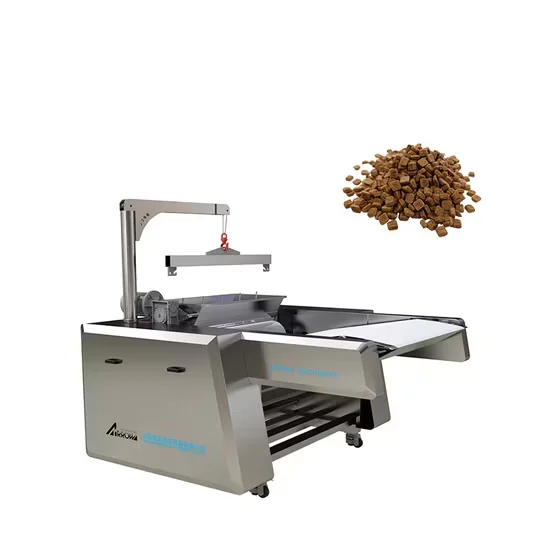
Pet Baked Food Processing Machine for Dry Pet Food
View details
Cold Press Baked Pet Food Forming Equipment for High Meat
View details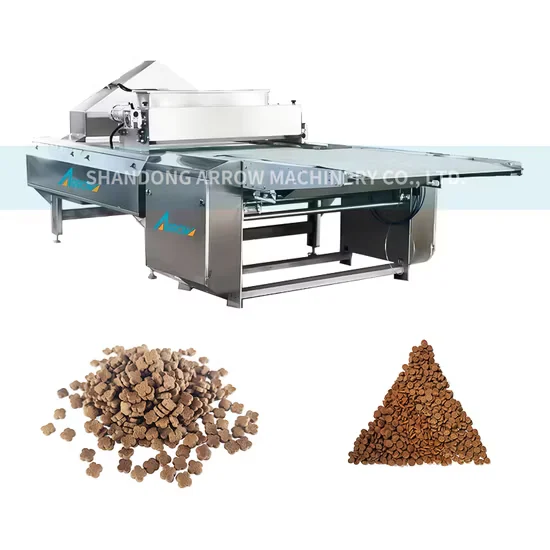
Cold Press Pet Food Forming Equipment for Baked Pet Food Plant
View details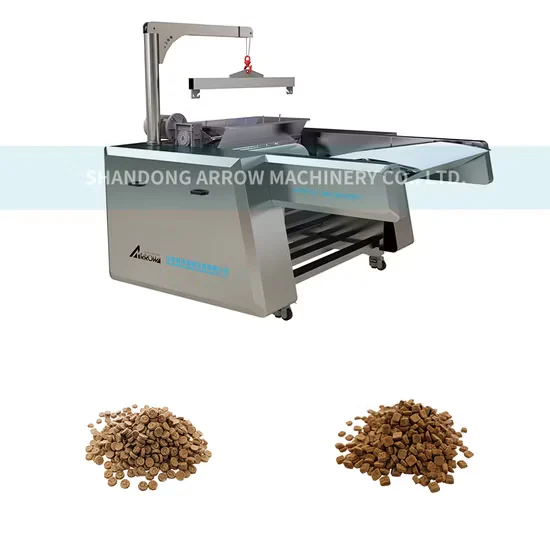
Cold Press Pet Food Forming Equipment for Baked Pet Food
View details
Not sure this configuration fits your formula?
Tell us your target product, raw materials and output in kg/h. Our engineers confirm the process first, then recommend the extrusion and drying setup.
Applications
Pet products this machine is built for
This equipment is configured for the pet product types below. Open an application to see the full process route and matching machines.
Engineering Notes
Selection guides & technical articles
Read how process engineers choose extrusion, drying and coating setups for pet food before they commit to a configuration.
FAQ
Questions buyers ask about this machine
Short answers on trials, lead time, documents and spare parts from Shandong Arrow Machinery, a pet food machinery manufacturer in Jinan, China.
Can I test my formula before I order?
Yes. Where conditions allow, we arrange formula and process trials on our process test platform, and you can send your own raw material for testing. Agreed raw-material tests are completed before production or shipment.
What is the lead time?
The lead time is stated in your formal quotation, based on the confirmed model, configuration and scope of supply. Machines ship by container sea freight or rail, and spare parts can go by air.
Which documents come with the machine?
You receive the final equipment specification, configuration list, equipment drawings where applicable, operation manual, packing list, commercial invoice and export or shipping documents. Factory test records, videos, inspection reports and material declarations are provided according to product type and contract.
How do I get spare parts after commissioning?
Send us your machine's serial number or model and we match the right parts. We supply screws, extrusion dies, gearboxes and wear parts, along with process consultation and service.
More answers on our pet food machinery FAQ page.
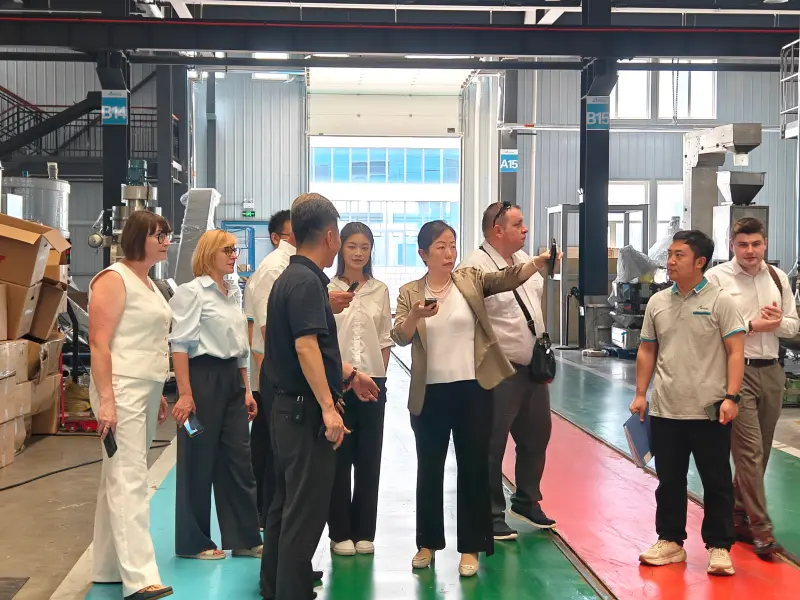
Request a quote for Pet Food and Dog Biscuit Making Equipment Line
Share your target product and output. You receive a technical proposal with model, scope of supply and options.
- WhatsApp +86 137 9316 7756
- Email info@arrowextrusion.com
- No. 47 Chengbohu Road, Jibei Subdistrict, Jiyang District, Jinan, Shandong, China