Many international buyers realize too late that a lack of tropical sea-freight packaging and pre-planned Nigerian customs documentation can leave an entire pet food production line stuck at the port for weeks. The anxiety of watching containers sit idle while demurrage charges mount is a preventable headache, not an inevitable cost of doing business.
Successful delivery of a pet food plant to Nigeria depends less on the machine build quality alone and more on rigorous export packing, accurate clearance paperwork, and tight coordination with local logistics partners. By addressing utility compatibility and corrosion prevention before the vessel leaves Jinan, you ensure the equipment arrives ready for installation rather than requiring extensive remedial work on site.
Export Packing Standards for Tropical Climates
Shipping heavy industrial machinery to West Africa requires more than standard wooden crates. The combination of high humidity, salt air, and long transit times creates a corrosive environment that can damage electrical panels and precision screw barrels if left unprotected. When planning shipping pet food plant Nigeria logistics, the focus must shift from simple containment to active preservation.
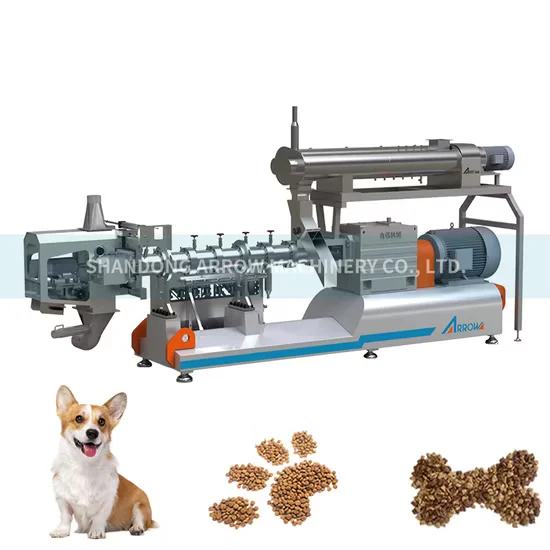
Every motor, control cabinet, and exposed metal surface needs specific attention. Electrical components should be wrapped in vacuum-sealed anti-corrosion film with desiccant packs to control internal moisture levels during ocean freight. For critical parts like the barrel of a Twin-Screw Extruder or the heating elements of a dryer, additional protective wrapping and rigid bracing prevent movement and micro-abrasion inside the container. This level of detail prevents the common scenario where machines arrive physically intact but suffer from early-stage oxidation that compromises performance.
The packing list must match the physical cargo exactly. Each crate should carry clear, weather-resistant markings indicating the contents, weight, and handling instructions. This clarity helps port handlers identify fragile modules and ensures that no component is lost in the shuffle of a busy terminal. Confirming these details during the factory acceptance test allows you to verify that every bolt and spare part is accounted for before the doors are sealed.
Documentation Requirements for Nigerian Customs
Nigerian customs procedures are stringent, and discrepancies between documents and physical goods can lead to significant delays and penalties. The primary documents required include the commercial invoice, packing list, bill of lading, and certificate of origin. However, for industrial machinery, additional certifications such as SONCAP (Standards Organisation of Nigeria Conformity Assessment Program) are often mandatory to prove compliance with local safety and quality standards.
Accuracy is non-negotiable. The description of goods on the bill of lading must mirror the commercial invoice and the actual equipment. If you are importing pet food machinery to Nigeria, ensure that the model numbers and serial codes listed in your paperwork match the nameplates on the machines. A mismatch here can trigger a physical inspection that halts clearance for days or weeks. Engaging a experienced clearing agent in Lagos early in the process helps navigate these regulatory nuances and ensures all duties are calculated correctly based on the declared value.
It is also vital to confirm whether any specific import licenses or permits are needed for your particular type of feed production equipment. While general food processing lines are standard, specialized units for wet food or specific aquatic feeds may have different classification codes. Providing your freight forwarder with complete technical specifications and HS codes well in advance allows them to prepare the necessary declarations before the vessel arrives, reducing the risk of administrative bottlenecks.
Port Handling and Site Readiness
Once the cargo clears customs, the challenge shifts to inland transport and site preparation. Moving heavy extrusion lines from the port to your factory in Nigeria requires specialized heavy-haul trucks and careful route planning. Coordinate with your logistics provider to ensure they have the capacity to handle oversized loads if your production line includes large mixers or dryers. Delays at this stage are often due to poor road conditions or lack of proper lifting equipment at the final destination.
Before the equipment arrives, your facility must be ready. This means the foundation pads are cured, power supplies are connected, and utilities are tested. A common failure point is voltage mismatch. Many Nigerian industrial zones operate on specific voltage and frequency standards that may differ from the machine’s default configuration. Confirming these details with your supplier ensures that motors and drives are set correctly before shipment.
Consider the flow of materials within your plant. The layout should allow for efficient movement of raw ingredients into the grinding and mixing systems, through the extrusion and drying stages, and finally to packaging. If you are installing a complete line including a Cross-Flow Circulation Dryer and a Vacuum Coating Machine, ensure there is adequate space for maintenance access and airflow around these units. Proper spacing prevents heat buildup and allows technicians to service the equipment without disrupting adjacent operations.
Installation and Commissioning Coordination
Having the machines on site is only half the battle. Getting them running efficiently requires skilled installation and commissioning. Arrow provides overseas engineering support, but the scope of this service must be clearly defined in your contract. This includes visa arrangements, travel costs, and the specific duration of the on-site stay. Clarifying these terms upfront avoids misunderstandings and ensures that the technical team is present when you need them most.
During commissioning, the focus is on integrating the various subsystems. The extruder must be synchronized with the dryer and cooler to maintain consistent product moisture and texture. For example, if you are producing floating fish feed, the buoyancy and durability depend on the interplay between formulation, extrusion conditions, and drying control. A technician can help fine-tune these parameters using your actual raw materials, ensuring the line meets your quality targets from day one.
Training your local operators is equally critical. The commissioning period should include hands-on sessions covering startup, shutdown, routine maintenance, and troubleshooting. This knowledge transfer empowers your team to manage daily operations confidently and reduces reliance on external support for minor issues. Documenting these procedures in local languages can further enhance operational consistency and safety.
Frequently Asked Questions
Q: What export packing standards are used for shipping extrusion lines to tropical climates?
A: Machinery destined for humid regions like Nigeria is packed with vacuum-sealed anti-corrosion film, desiccants, and rigid bracing. Electrical panels receive extra protection against salt air and moisture. This approach prevents oxidation and damage during long ocean transits, ensuring components like screw barrels and motors arrive in pristine condition for immediate installation.
Q: Which specific documents are required to clear pet food processing machinery through Nigerian customs?
A: Essential documents include the commercial invoice, packing list, bill of lading, certificate of origin, and SONCAP certification. Accuracy is critical; model numbers and descriptions must match the physical goods exactly. Engaging a local clearing agent early helps ensure all regulatory requirements are met, preventing costly delays and penalties at the port.
Q: How should buyers prepare their factory site before the equipment arrives at the port?
A: Ensure foundation pads are cured and power supplies match the machine’s voltage and frequency requirements. Verify that utility connections for water, steam, and air are ready. Plan the layout to allow sufficient space for maintenance and airflow around large units like dryers and extruders, facilitating efficient material flow and safe operation.
Q: Does Arrow provide overseas installation and commissioning services in Nigeria?
A: Yes, overseas engineering and commissioning options are available, but the specific scope, team size, and duration are defined in the contract. This service includes equipment setup, parameter tuning with your raw materials, and operator training. Clarifying visa and travel logistics beforehand ensures a smooth and effective installation process.
To avoid the stress of mismatched utilities and unclear documentation, start with a detailed technical review. Share your raw material formulation, target capacity, and factory dimensions to receive a customized quotation and shipping plan that aligns with your local conditions. Request a custom quotation today to secure a solution that fits your specific production needs.