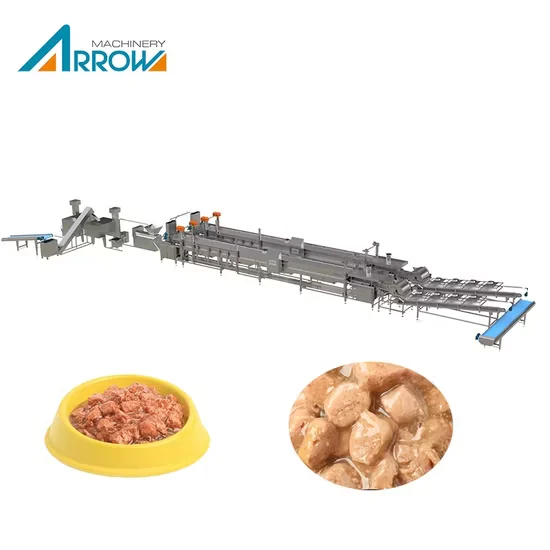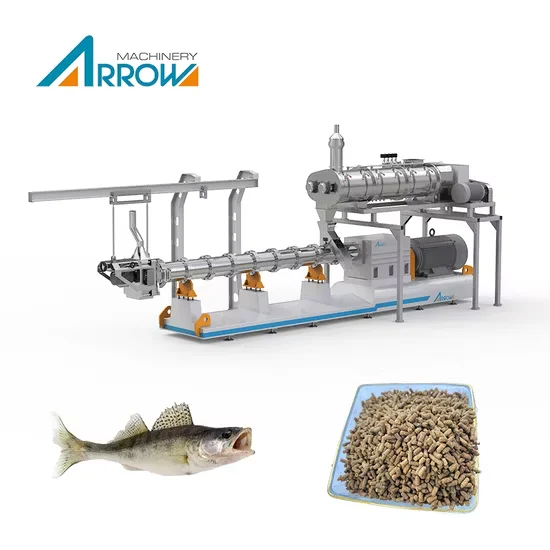
Many pet food factories facing capacity bottlenecks mistakenly believe they must upgrade their entire production line. In reality, replacing or adding specific drying or mixing modules often resolves core pain points with significantly lower investment and less disruption to ongoing operations.
Buying standalone processing equipment is entirely feasible and often more cost-effective, but success depends on precise matching. The new machine’s capacity, physical interfaces, and process parameters must align perfectly with your existing upstream and downstream equipment to avoid moisture inconsistency or throughput mismatches.
Why Choose Standalone Equipment Over a Full Production Line
Upgrading an entire turnkey plant is a major capital expenditure that requires extensive factory downtime and space reconfiguration. For many established manufacturers, the bottleneck is rarely the extruder itself but rather the supporting processes like drying or coating. Purchasing a standalone dryer mixer allows you to target these specific constraints without overhauling sections of the line that are still performing adequately.
This approach offers greater flexibility in factory layout and budget allocation. Instead of committing to a standardized full-line package, you can select individual units that fit your current footprint and utility availability. This modularity is particularly valuable for contract processors who need to adapt quickly to different client formulations or for plants undergoing phased expansions where capital must be spread over multiple fiscal periods.
However, this flexibility comes with a responsibility to ensure integration. A standalone unit does not come with the pre-engineered compatibility of a full line supplied by a single manufacturer. You must verify that the control systems, conveyor heights, and transfer points match your current setup. Without this diligence, you risk creating new inefficiencies even as you solve old ones.
Matching Capacity and Interface Compatibility
The most common failure point in partial line upgrades is a mismatch in throughput. If your new dryer has a higher nominal capacity than your upstream mixer or extruder, you will waste energy heating empty space. Conversely, if the dryer is undersized, it becomes a bottleneck that forces the extruder to run below its optimal speed, reducing overall plant efficiency. Always base your selection on the actual measured output of your existing equipment, not just the nameplate ratings.
Physical interfaces are equally critical. The discharge height of your extruder or mixer must align with the inlet of the new standalone dryer mixer system. If there is a significant height difference, you may need additional conveying equipment, which adds complexity and potential points of product degradation. Similarly, the control logic should ideally communicate with your central PLC to allow for synchronized start-stop sequences and fault monitoring.
When evaluating options, consider the Twin-Shaft Paddle Mixer for its ability to handle high-viscosity ingredients and ensure uniformity before extrusion. Its design minimizes dead zones, which is crucial when switching between recipes with different ingredient profiles. For drying, the Cross-Flow Circulation Dryer offers consistent air distribution, which is vital for preventing the scorched edges and damp centers that plague poorly integrated systems. These machines are designed to integrate into existing workflows, provided the mechanical and electrical interfaces are carefully planned.
Utility Requirements and Factory Footprint Constraints
Adding a single machine to an existing facility often reveals hidden utility limitations. A new dryer may require more steam pressure or electrical power than your current infrastructure can provide at the installation point. Before purchasing, conduct a thorough audit of your available utilities, including voltage phases, compressed air quality, and fuel sources. Ignoring these details can lead to costly retrofitting work that delays commissioning and exceeds the initial budget.
Space constraints also play a decisive role in equipment selection. Unlike a greenfield project where layout is optimized from scratch, brownfield upgrades must work around existing columns, walkways, and service areas. Measure the exact dimensions available, including clearance for maintenance access and door widths for delivery. A machine that fits technically but blocks emergency exits or prevents routine cleaning is not a viable solution.
Consider the flow of materials and personnel. Will the new equipment disrupt the current workflow? For instance, installing a large mixer might require rerouting raw material intake lines. Planning for these logistical challenges early ensures that the new asset enhances productivity rather than creating operational friction.
Ensuring Process Consistency and Technical Support
Process consistency is the ultimate measure of a successful upgrade. When you introduce a new dryer or mixer, you change the thermal and mechanical history of the product. This can affect starch gelatinization, moisture migration, and final texture. It is essential to validate these changes through trial runs before full-scale production.
Technical support from the supplier is crucial during this transition. Look for a partner who offers more than just hardware. They should provide guidance on parameter settings, help troubleshoot integration issues, and offer spare parts availability. Remote debugging capabilities can significantly reduce downtime if problems arise after installation.
Shandong Arrow Machinery supports this integration process by offering process consultation and engineering support. Their team can help assess your raw materials and existing process requirements to recommend the right configuration. This collaborative approach helps mitigate the risks associated with mixing equipment from different suppliers, ensuring that the final output meets your quality standards.
Frequently Asked Questions
Q: Can I integrate an Arrow dryer into an existing extrusion line from another brand?
A: Yes, integration is possible provided that the physical interfaces and capacity ratings are compatible. We review your current line’s specifications, including conveyor heights and control systems, to ensure the new dryer connects smoothly. Our engineering team can advise on any necessary adapters or control modifications to achieve seamless operation.
Q: What information do you need to quote a standalone mixer or dryer?
A: To provide an accurate quotation, we need details on your current production capacity, product type, and desired output. Please share your factory layout, utility availability (power, steam, air), and any specific process requirements. Information about your existing upstream and downstream equipment helps us ensure the new unit matches your line’s throughput and interface needs.
Q: Do you provide installation and commissioning for individual machines?
A: Yes, we offer installation and commissioning services for standalone equipment. The scope, including travel costs and duration, is defined in the contract. Our technicians can guide your local team through the setup, parameter tuning, and operator training to ensure the machine performs optimally within your specific production environment.
Q: How do you ensure moisture consistency when only upgrading the dryer?
A: Moisture consistency depends on the balance between extrusion conditions and drying parameters. We analyze your product’s initial moisture content and target final moisture to select the appropriate drying method and airflow profile. Trial runs may be recommended to fine-tune temperature and residence time, ensuring uniform drying without damaging the product structure.
Send your existing line layout, equipment parameters, and capacity requirements to receive a customized integration plan. Whether you need a technical specification sheet or advice on raw material trials, our engineering team is ready to help you optimize your production process with the right standalone solutions.