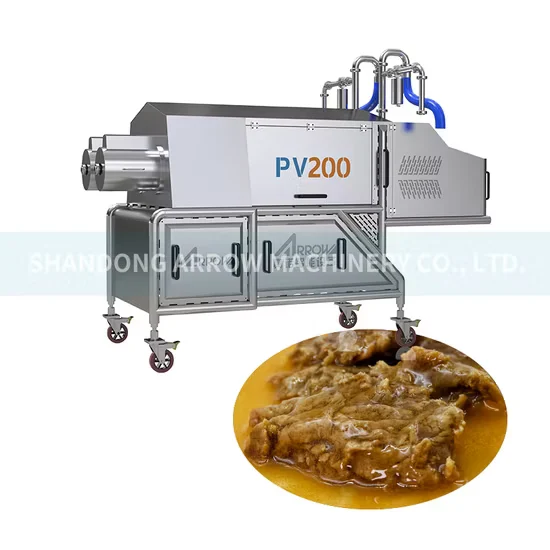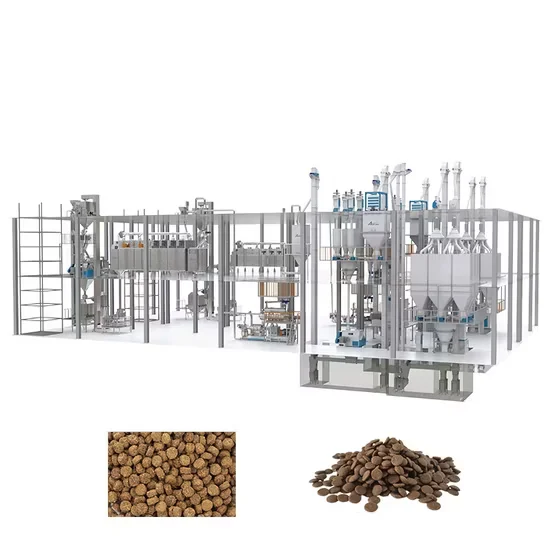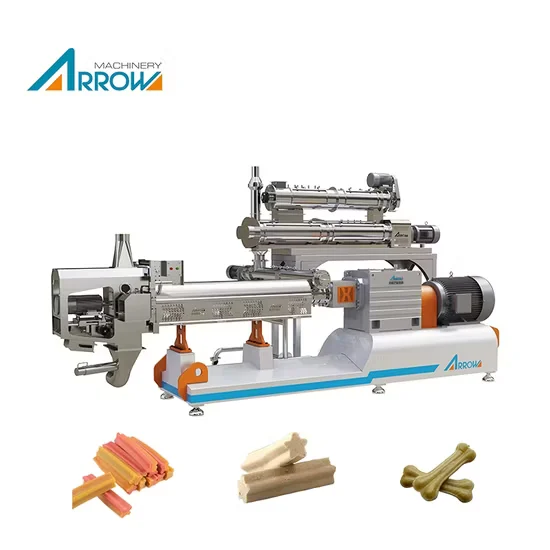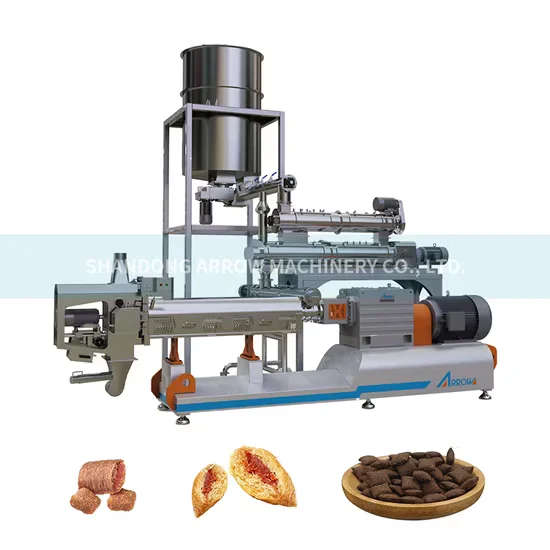
Many pet treat manufacturers upgrade to low-temperature processing only to find their new equipment struggling with high-meat formulations. They focus on the price tag but overlook how raw material rheology interacts with barrel cooling and downstream drying, leading to inconsistent texture or excessive energy use.
Buying a cold extruder requires more than checking motor size. You must evaluate screw configuration against your specific ingredient profile, verify thermal control for nutritional retention, and ensure the entire line—from mixing to coating—is balanced for capacity. This holistic approach prevents bottlenecks and ensures stable production of high-quality snacks.
Matching Raw Material Rheology to Screw Configuration
The first step in selecting cold extrusion equipment is analyzing your formula. Unlike traditional high-temperature extrusion that relies on starch gelatinization for expansion, cold extrusion focuses on shaping and binding ingredients with minimal heat input. If your recipe includes high levels of fresh meat, fats, or liquid proteins, the material behaves differently inside the barrel. It flows more like a paste than a powder, requiring specific shear profiles to maintain structure without clogging.
A standard screw design may fail when faced with these viscous inputs. You need a system that offers adjustable compression ratios and specialized feeding sections to handle sticky materials. Twin-screw configurations are often superior here because they provide positive displacement and better self-cleaning action compared to single-screw units. When evaluating suppliers, ask how their screw elements can be rearranged to match your specific viscosity and fat content. This flexibility allows you to switch between dry kibble-style treats and soft, meat-heavy chews without buying a new machine.
Evaluating Product Texture and Nutritional Retention Goals
The primary advantage of a low-temperature cold extruder is its ability to preserve heat-sensitive nutrients and natural flavors. For premium pet treats, maintaining the integrity of vitamins, enzymes, and fresh meat proteins is a key selling point. However, achieving the right texture without excessive heat is a delicate balance. The equipment must provide enough mechanical energy to bind the mixture while keeping the product temperature low enough to prevent protein denaturation or unwanted Maillard reactions.
Precise temperature control systems are non-negotiable. Look for machines with efficient barrel cooling capabilities, such as water-jacketed sections, to dissipate frictional heat generated during shearing. If the barrel gets too hot, you lose the “cold” benefit, and the product may become brittle or discolored. Conversely, if it is too cool, the treat may not hold its shape after cutting. Your goal is a consistent, pliable texture that appeals to pets while retaining the nutritional value claimed on the label. This requires close collaboration with the manufacturer to fine-tune the process parameters during initial trials.
Calculating True Energy Consumption and Drying Integration
Energy efficiency is often cited as a benefit of cold extrusion, but the real savings depend on the entire production line. While the extruder itself may consume less energy than a high-temperature cooker-extruder, the downstream drying process can become a bottleneck. Cold-extruded products typically retain higher initial moisture levels because they do not undergo the flash-off effect seen in hot extrusion. This means your dryer must work harder to remove water, potentially offsetting upstream savings.
To optimize this, you must match the extruder’s output with an appropriate drying system. A Cross-Flow Circulation Dryer is often recommended for its ability to provide uniform air distribution and gentle drying, which helps maintain the shape of soft treats. Integrating these systems requires careful planning of airflow, temperature zones, and residence time. If the dryer is undersized, you will face backlogs and inconsistent final moisture content. Evaluate the total energy load of the extrusion and drying stages together rather than looking at the extruder in isolation. This integrated view helps you calculate true operating costs and avoid unexpected utility bills.
Assessing Footprint, Utilities and Future Scalability
Before signing a contract, audit your facility’s physical and utility constraints. Cold extrusion lines may have different space requirements compared to traditional setups, especially if they include extensive cooling or specialized feeding systems. Measure your available floor space, ceiling height, and access points for maintenance. Ensure your electrical supply matches the machine’s voltage and frequency requirements, and check if you have adequate water supply and drainage for barrel cooling and cleaning.
Scalability is another critical factor. Your business may start with one type of treat, but market demands change. Choose equipment that supports modular upgrades. Can you add a pre-conditioner later? Is there space for an additional coating drum if you decide to add surface flavorings? A Vacuum Coating Machine might be necessary later for high-fat applications where surface application is preferred over internal mixing. Planning for these possibilities now prevents costly retrofits. Suppliers who offer comprehensive line layouts can help you visualize how future modules will fit into your existing footprint, ensuring long-term flexibility.
Verifying Supplier Testing Capabilities and After-Sales Support
Theory rarely matches practice perfectly when dealing with complex biological ingredients. Always require a trial run using your actual raw materials before purchasing. This test reveals how your specific formula behaves in the machine, highlighting issues with feeding, shaping, or cutting that spec sheets cannot predict. It also allows you to verify product quality, such as texture consistency and dimensional accuracy.
Beyond the trial, clarify the scope of after-sales support. Will the supplier provide installation supervision and operator training? Are spare parts readily available, and what is the lead time? These details should be explicitly stated in the contract. A supplier that offers process consultation and engineering support can help troubleshoot issues as they arise, reducing downtime. Look for partners who view the sale as the beginning of a long-term relationship, offering technical guidance as your production needs evolve. This level of support is crucial for maintaining consistent quality and minimizing operational risks.
Frequently Asked Questions
Q: What is the main difference between a cold extruder and a traditional twin-screw extruder for pet treats?
A: Traditional extruders use high heat and pressure to expand starches, creating porous, crunchy kibble. Cold extruders operate at lower temperatures, focusing on shaping and binding ingredients without significant expansion. This preserves heat-sensitive nutrients and allows for higher inclusion of fresh meats and fats, resulting in denser, softer treats with a more natural texture and flavor profile.
Q: Can a low-temperature cold extruder handle high fresh meat inclusion rates?
A: Yes, but it requires specific screw configurations and feeding systems designed for viscous materials. High meat content increases moisture and fat, which can cause slippage in standard screws. A twin-screw design with positive displacement features is typically better suited for these formulations. Trials with your exact recipe are essential to determine the optimal screw arrangement and processing parameters for stable operation.
Q: How do I integrate a cold extruder into my existing pet treat drying and coating line?
A: Integration depends on matching capacities and moisture levels. Cold-extruded products often have higher initial moisture, so your dryer must be sized to handle the load without damaging the product. Ensure the conveyor systems connect smoothly between the cutter, dryer, and coater. A supplier can help design a balanced line where each stage operates efficiently, preventing bottlenecks and ensuring consistent final product quality across all processing steps.
Q: What utilities and factory space are required to install a cold extrusion machine?
A: Requirements vary by model but generally include stable electrical power, water for cooling and cleaning, and compressed air for controls. Space must accommodate the extruder, feeder, cutter, and downstream equipment with enough clearance for maintenance and operation. Check floor load capacity and ceiling height. Providing your factory layout and utility details to the supplier allows them to propose a configuration that fits your specific facility constraints and operational needs.
Send your pet treat formula and expected capacity to receive a customized technical specification sheet and complete line layout. Discuss your raw material characteristics with our engineering team to arrange a trial run and validate the process before investment.