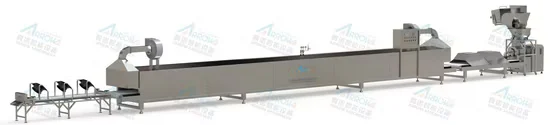
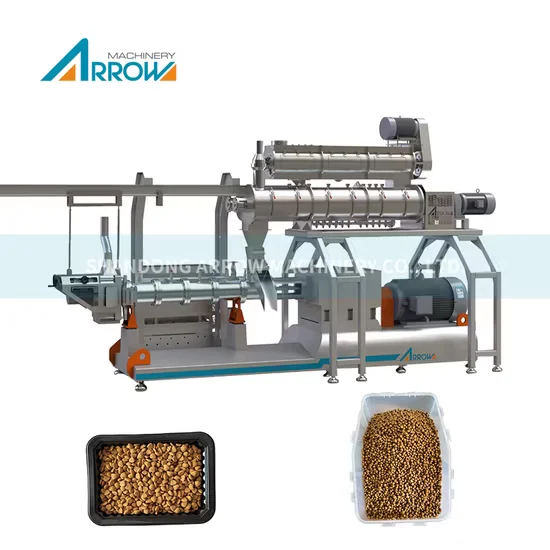
Many pet food factories in India face a harsh reality after their equipment arrives at the port: customs clearance stalls for weeks because the production line was declared as a single unit or technical test reports were missing. This delay directly disrupts the commissioning schedule and inflates storage costs. The efficiency of importing pet food machinery India depends on precise Harmonized System Nomenclature (HSN) classification for each module and having complete factory acceptance documentation ready before shipment.
Breaking Down the Line for HSN Classification
Indian customs authorities require detailed declaration of industrial machinery. A common mistake is listing an entire turnkey plant under one generic code. Instead, you must split the line into its functional modules. For example, a Twin-Screw Extruder has a different HSN code than a Cross-Flow Circulation Dryer or a mixing system. Each machine performs a distinct physical process—extrusion involves high shear and thermal cooking, while drying removes moisture through air circulation.
This separation matters because duty rates can vary between processing categories. More importantly, it clarifies the technical scope for the assessing officer. When you declare a vacuum coating machine separately from the extruder, you highlight that it is a post-processing unit for fat and flavor application, not part of the primary cooking system. This granularity helps avoid queries about why a “cooking” machine has coating capabilities. Always ensure the commercial invoice matches these individual descriptions exactly.
Essential Documentation for Smooth Clearance
Paperwork errors are the primary cause of detention. Beyond the standard Bill of Entry, Commercial Invoice, and Packing List, you need specific technical documents that prove the machine’s identity and condition. The Certificate of Origin is critical for claiming any applicable trade agreement benefits, but its accuracy must match the exporter’s details exactly.
The most overlooked documents are the Factory Acceptance Test (FAT) reports and detailed technical specification sheets. These papers confirm that the equipment was tested and functional before leaving the manufacturer’s facility. For complex lines, include the electrical diagram and component list. If customs officers question the value or specification of a Vacuum Coating Machine, the FAT report serves as objective evidence of its configuration. Without these, officers may suspect undervaluation or misclassification, leading to physical inspections that delay release.
Ensure the nameplate information on the machines matches the invoice and packing list. Discrepancies in serial numbers or model codes between the physical asset and the paper trail trigger immediate red flags. Work with your supplier to verify that all export documentation reflects the exact models shipped.
Electrical Compliance and BIS Requirements
India has strict standards for electrical safety. While complete industrial plants often have exemptions for certain integrated systems, individual components like motors, control panels, and switches may fall under the Bureau of Indian Standards (BIS) compulsory certification scheme. It is vital to clarify this during the procurement phase.
Confirm the voltage and frequency specifications match local utilities. Most Indian industrial facilities operate on 415V/50Hz three-phase power. If your Twin-Screw Extruder is configured for a different voltage, you will face costly rewiring or transformer installation after arrival. More critically, non-compliant electrical components can lead to rejection at the port. Ask your supplier to provide compliance declarations for all electrical parts. If specific components require BIS certification, ensure the supplier has the necessary credentials or that the items are exempt under the current regulatory framework for capital goods.
Do not assume that a machine built for global export automatically meets Indian electrical norms. Explicitly state your local utility constraints in the inquiry. This allows the engineering team to select compatible motors and drives from the start, avoiding the need for retrofits that compromise warranty and safety.
Calculating Landed Costs Accurately
The quoted price for equipment is only part of the financial picture. To budget correctly, you must calculate the landed cost, which includes Basic Customs Duty (BCD), Social Welfare Surcharge (SWS), and Integrated Goods and Services Tax (IGST). The IGST is often claimable as input credit for registered manufacturers, but the BCD and SWS are direct costs.
When requesting quotes, ask for both FOB and CIF options to understand the freight impact. However, remember that customs valuation is typically based on the transaction value, including freight and insurance up to the port of entry. Hidden costs such as port handling charges, terminal storage fees, and customs broker fees can add up if clearance is delayed. By ensuring your documentation is perfect and your HSN codes are accurate, you minimize the risk of these ancillary costs spiraling out of control.
Clear communication with your customs broker is essential. Provide them with the technical manuals and HS code breakdowns early. This proactive approach helps them prepare the Bill of Entry correctly, reducing the likelihood of assessment disputes.
Frequently Asked Questions
Q: Do I need separate customs declarations for each machine in a complete pet food production line?
A: Yes, it is highly recommended to declare major modules separately. A complete line includes distinct processes like extrusion, drying, and coating. Each module, such as a twin-screw extruder or a cross-flow dryer, has a specific function and potentially a different HSN code. Separate declarations provide clarity to customs officers, reduce the risk of misclassification queries, and ensure that duty rates are applied correctly to each piece of equipment.
Q: Are twin-screw extruders subject to specific import restrictions or BIS standards in India?
A: The extruder itself may not always require BIS certification, but its electrical components often do. Motors, variable frequency drives, and control panels must comply with Indian electrical safety standards. You must verify if these components fall under the compulsory certification list. Ensure your supplier provides the necessary compliance documents or confirms exemptions for capital goods to avoid detention at the port due to non-compliant electrical parts.
Q: What technical documents should the supplier provide to ensure smooth customs clearance?
A: Beyond the commercial invoice and packing list, you need detailed technical specification sheets, electrical diagrams, and Factory Acceptance Test (FAT) reports. These documents prove the machine’s configuration, value, and operational status before shipment. They help customs officers verify that the imported goods match the declaration. Ensure nameplate details on the machines align exactly with these documents to prevent discrepancies that trigger physical inspections and delays.
Q: How are installation and commissioning services handled for imported machinery in India?
A: Installation and commissioning are typically defined in the supply contract. Suppliers often offer overseas engineering support for setup, operator training, and trial runs. However, visa requirements, travel costs, and local labor responsibilities must be clarified beforehand. Some buyers prefer local contractors for mechanical assembly, with the supplier providing remote guidance or on-site supervision for critical process tuning. Define the scope of support clearly to avoid gaps in responsibility during the startup phase.
Send your product formula, required capacity, and factory dimensions to receive a customized production line proposal. This includes detailed equipment configuration, a checklist of required export documents, and guidance on technical compliance for your region.