Uneven coating or excessive grease distribution does more than ruin the palatability of pet treats; it leads to packaging failures and entire batch rejections. Selecting the right coating equipment is the first line of defense in protecting your profit margins and brand reputation.
The Multi-Head Coating Pan Flavor Machine significantly improves coating uniformity and production efficiency for dry pet snacks, but success depends on precise selection. You must match the machine’s capacity, nozzle precision, and physical interface to your specific product characteristics and existing line layout rather than simply choosing the model with the most heads.
How the Multi-Head Coating Pan Mechanism Works
Understanding the mechanics behind a Multi-Head Coating Pan Flavor Machine is essential for evaluating its suitability for your facility. Unlike traditional single-drum flavoring machines that rely on tumbling action alone, multi-head systems utilize multiple spray nozzles arranged strategically around a rotating pan. This design ensures that liquid flavors, oils, or powdered coatings are applied from several angles simultaneously. The rotation of the pan tumbles the kibble or treats, exposing all surfaces to the spray pattern.
This simultaneous application reduces the time required to achieve target coating levels, which is critical for maintaining throughput in high-volume facilities. By distributing the coating agent evenly across the product surface, the system minimizes the risk of localized saturation. This is particularly important for products where excess oil can lead to rancidity or packaging leaks. The mechanism allows for a thinner, more consistent layer of coating, which enhances the visual appeal and taste profile without compromising the structural integrity of the treat.
Evaluating Product Characteristics and Coating Uniformity
Not all pet treats respond to coating in the same way. The shape, size, and surface texture of your product dictate the type of equipment required. For irregularly shaped items like meat strips or jerky, achieving uniform coverage is challenging because some areas may shield others from the spray. A Multi-Head Coating Pan Flavor Machine addresses this by providing comprehensive coverage through its multi-angle spray design. However, the viscosity of the coating material also plays a crucial role. Thin liquids spread easily, while thicker slurries or powders may require specific nozzle configurations to prevent clogging.
For high-fat applications or when adding sensitive ingredients like enzymes, uniformity is not just about taste but also stability. Uneven distribution can create hotspots where oxidation occurs faster, reducing shelf life. The multi-head design helps mitigate this by ensuring that every piece receives a proportional amount of coating. When selecting equipment, consider the density of your product as well. Lighter treats may require gentler handling to prevent breakage during the tumbling process, whereas denser kibble can withstand more aggressive mixing.
Matching Capacity and Integrating with Your Production Line
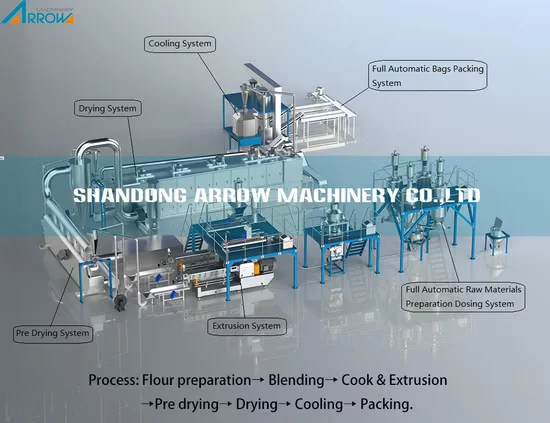
One of the most common mistakes in purchasing coating equipment is failing to balance the capacity with the rest of the production line. The coating stage must match the output of the dryer and the input requirements of the packaging section. If the Multi-Head Coating Pan Flavor Machine has a lower capacity than your extruder and dryer, it becomes a bottleneck that forces you to reduce overall plant throughput. Conversely, an oversized machine may operate inefficiently at low loads, leading to inconsistent coating results.
Integration involves more than just matching kilograms per hour. You must consider the physical footprint and the method of product transfer between machines. Automated conveying systems should feed the coater gently to maintain product integrity. Additionally, the control systems of the coater should be compatible with your existing PLC network to allow for synchronized operation. This integration ensures that if the upstream dryer stops, the coater also halts, preventing waste. Shandong Arrow Machinery supports customers by assessing these interface points during the quotation phase, ensuring that the proposed configuration fits within your available space and utility constraints.
Material Quality, Hygiene Standards, and Maintenance Requirements
In the pet food industry, hygiene is non-negotiable. Equipment must be constructed from food-grade stainless steel that resists corrosion from acidic flavors or salty coatings. The interior of the coating pan should be smooth and free of crevices where product residue can accumulate. This design feature is critical for preventing cross-contamination when switching between different recipes or flavors. A Multi-Head Coating Pan Flavor Machine should allow for easy access to nozzles and internal surfaces for cleaning.
Maintenance ease directly impacts operational uptime. Look for designs that facilitate quick disassembly of spray nozzles for routine cleaning. Clogged nozzles can disrupt the spray pattern, leading to uneven coating and increased downtime for troubleshooting. Furthermore, the drive system should be sealed to prevent lubricant contamination of the product area. Regular maintenance schedules should include checking the alignment of the pan and the condition of the spray tips. Suppliers who provide detailed maintenance manuals and spare parts lists help ensure long-term reliability.
Energy Efficiency and Operational Control Features
Modern coating machines offer advanced control features that enhance both efficiency and product consistency. Variable frequency drives allow operators to adjust the rotation speed of the pan to suit different product types. Slower speeds may be necessary for fragile treats, while faster speeds can improve mixing for denser kibble. Precision control over spray duration and flow rate ensures that the exact amount of coating is applied, reducing waste of expensive flavorings or oils.
Energy efficiency is also a consideration, particularly for facilities operating continuously. Insulated pans can help maintain temperature if heated coatings are used, reducing energy consumption. Some systems integrate with vacuum coating technologies for high-oil applications, where the Vacuum Coating Machine draws the oil into the porous structure of the kibble before surface flavoring. This two-stage approach maximizes oil uptake while keeping the surface dry to the touch. Understanding these operational controls allows you to optimize your process for both quality and cost.
Frequently Asked Questions
Q: What types of pet treats are best suited for a multi-head coating pan?
A: These machines are ideal for dry pet treats such as kibble, baked snacks, and jerky pieces that require uniform surface flavoring or oil application. They work well for products with regular shapes that can tumble evenly. For highly irregular or sticky items, additional testing may be required to ensure optimal coverage without clumping.
Q: How does a multi-head coating pan improve flavoring uniformity compared to a single-drum machine?
A: The multi-head design uses multiple nozzles to apply coating from various angles simultaneously. This reduces the reliance on tumbling alone to distribute the flavor, ensuring that even shaded areas of the product receive coverage. It minimizes the risk of over-saturation in one spot and under-coating in another, leading to a more consistent final product.
Q: Can this machine be integrated into an existing pet treat production line?
A: Yes, standalone coating machines can be integrated into existing lines. Successful integration requires matching the capacity with upstream dryers and downstream packaging equipment. It also involves aligning the physical interfaces for product transfer and ensuring compatibility between control systems. Engineering support is recommended to assess layout and utility constraints.
Q: What is the typical cleaning process for the coating pan between different product batches?
A: Cleaning typically involves disassembling the spray nozzles and washing the interior of the pan with food-safe detergents and water. The smooth stainless steel surface facilitates quick wiping and rinsing. Regular maintenance includes checking for residue buildup in hard-to-reach areas and ensuring that all components are dry before starting the next batch to prevent microbial growth.
Send your pet treat formula, product shape details, and target capacity to receive a customized technical specification sheet and production line layout proposal. Our engineering team can also discuss raw material trials to validate the coating performance for your specific application before you commit to a purchase.