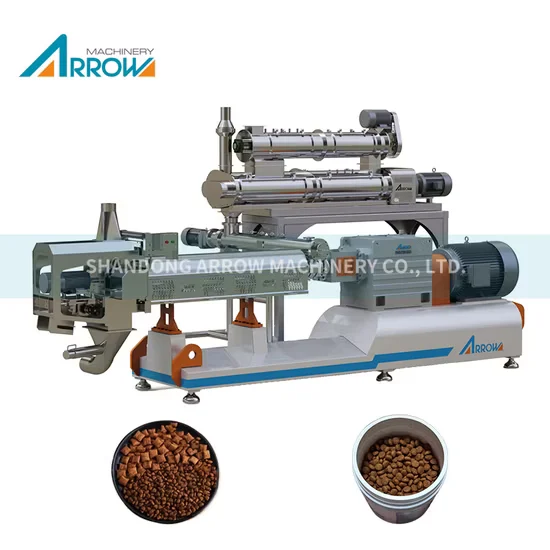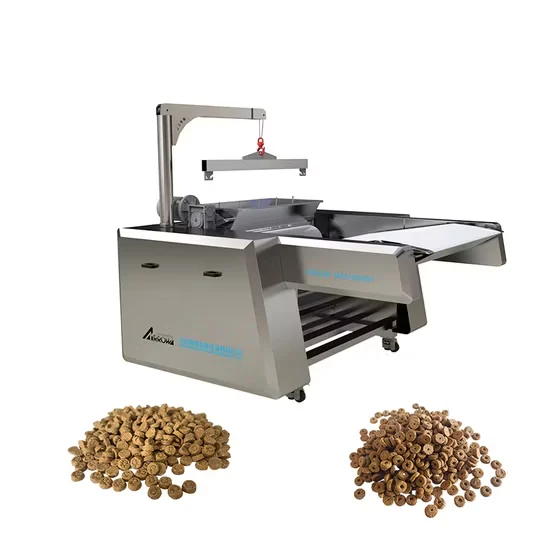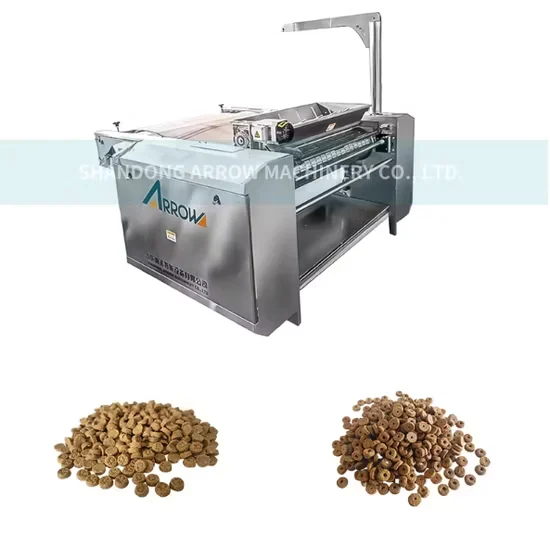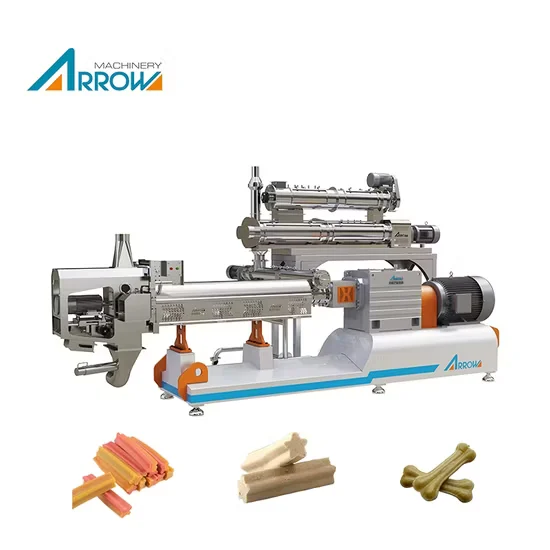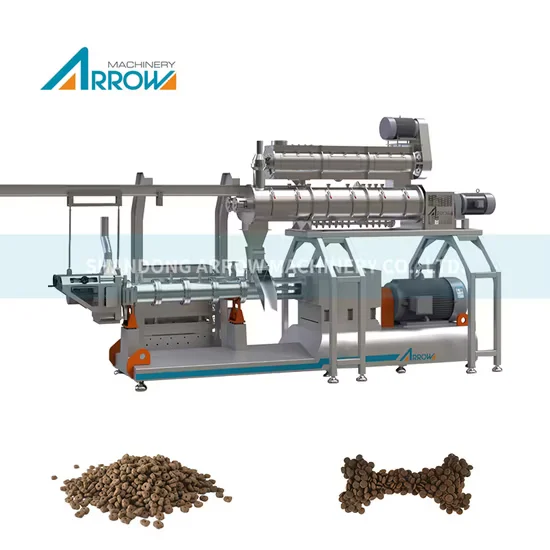
Many investors planning a new facility fixate on the price of the main extruder, overlooking the critical downstream units like dryers and coaters. This narrow focus often leads to severe budget overruns when hidden integration costs emerge during installation. A realistic budget complete dog food factory plan must account for the entire process flow, from raw material handling to final packaging, rather than just the shiny core machine.
The total investment extends far beyond the initial equipment quote. It includes process engineering, utility upgrades, overseas commissioning, and long-term spare parts support. Ignoring these elements risks operational bottlenecks and inflated lifetime costs. Successful projects balance upfront capital expenditure with the total cost of ownership, ensuring the line delivers consistent quality and capacity from day one.
Understanding the Cost Structure of Core Processing Modules
A complete dry pet food line consists of several interdependent systems: grinding, mixing, extrusion, drying, and coating. Each module contributes differently to the overall capital outlay and operational efficiency. The extrusion system is typically the most expensive single unit, but it cannot function effectively without properly sized upstream and downstream equipment. For instance, a Twin-Screw Extruder offers superior flexibility for recipes with high fresh meat inclusion or complex shapes, but it requires precise feeding and conditioning to operate efficiently.
The drying stage often represents a significant portion of the budget, yet it is frequently underestimated. Moisture removal is energy-intensive and time-consuming. A Cross-Flow Circulation Dryer ensures uniform drying across all kibble pieces, preventing case hardening where the exterior dries too quickly while the interior remains moist. If the dryer is undersized, it becomes the bottleneck for the entire line, forcing the extruder to run below its rated capacity. This mismatch wastes the investment made in the primary processing unit.
Coating systems also vary in complexity and cost. High-fat diets require vacuum coating to ensure oil penetration into the kibble pores, whereas surface seasoning can be achieved with simpler drum flavoring machines. Selecting the right coating technology depends on the target fat content and the desired palatability profile. Misjudging this requirement can lead to product rejection or excessive waste due to uneven coating distribution.
Capacity scaling significantly impacts the price per unit of output. A line designed for 1 ton per hour will not simply be a smaller version of a 5-ton-per-hour plant. Larger capacities require heavier-duty motors, larger vessel volumes, and more sophisticated control systems to maintain consistency. Automation levels, such as automatic recipe management and real-time monitoring, add to the initial cost but reduce labor expenses and human error over time.
Accounting for Hidden Expenses in Turnkey Projects
Beyond the hardware, turnkey projects involve substantial soft costs that are rarely visible in the initial equipment quotation. Process evaluation and custom layout design are essential to fit the machinery into the existing or planned building footprint. These engineering services ensure that material flow is logical, maintenance access is adequate, and utility connections are feasible. Skipping this step often results in costly on-site modifications and delays.
Overseas installation and commissioning represent another major expense category. While some suppliers include basic startup support, comprehensive training for local operators and maintenance staff usually incurs additional charges for travel, accommodation, and daily allowances. These costs can fluctuate based on visa requirements, flight availability, and the duration of the commissioning period. Clarifying the scope of these services in the contract prevents unexpected invoices later.
Logistics and import duties further inflate the landed cost of the equipment. Heavy machinery requires specialized packing, corrosion prevention, and secure fixing for ocean freight. Insurance, port handling fees, and customs clearance in the destination country add layers of cost that vary by region. Buyers must factor in these variables when comparing quotes from different suppliers, as an FOB price may look attractive until shipping and taxes are applied.
Spare parts inventory is a critical but often overlooked budget item. Having a stock of wear parts, such as die plates, cutter blades, and bearings, minimizes downtime during routine maintenance. Some manufacturers offer starter kits, but buyers should assess the long-term availability and pricing of these components. A low initial machine price may be offset by expensive or hard-to-source spare parts in the future.
Strategies to Optimize Investment Without Sacrificing Quality
Optimizing the budget complete dog food factory does not mean choosing the cheapest components. It involves smart engineering decisions that align with specific production goals. Modular line design allows for phased investment. For example, a buyer might install the core extrusion and drying sections first, adding advanced cooling and packaging modules later as cash flow permits. This approach spreads capital expenditure over time while enabling early revenue generation.
Matching equipment specifications to raw material characteristics prevents over-engineering. If the recipe uses mostly meal-based ingredients with low fat content, a standard single-shaft mixer might suffice instead of a more expensive twin-shaft model. Similarly, if the product does not require high levels of internal oil infusion, a vacuum coater may be unnecessary. Accurate formulation data helps suppliers recommend the most cost-effective configuration without compromising product quality.
Direct engagement with the manufacturer eliminates distributor markups and facilitates clearer technical communication. Working directly with the engineering team allows for detailed discussions about screw configurations, die designs, and thermal profiles. This collaboration ensures that the machine is tuned for the specific recipe, reducing trial-and-error costs during startup. It also enables better negotiation on terms and scope, as there are no intermediaries filtering the information.
Energy efficiency is another area where smart choices yield long-term savings. Selecting dryers with good insulation and efficient airflow designs reduces fuel or electricity consumption. While these features may increase the upfront cost, they lower operating expenses significantly over the life of the plant. Evaluating the total cost of ownership, including energy use, provides a more accurate picture of the investment’s value.
How to Compare Supplier Quotations Effectively
Comparing quotes requires an apples-to-apples analysis. Suppliers may exclude certain items, such as steel platforms, air conveying pipes, or independent electrical cabinets, to make their price appear lower. Buyers must request a detailed bill of materials that lists every component included in the scope. This transparency reveals the true extent of the supply and highlights any gaps that need to be filled by local contractors.
Factory acceptance testing (FAT) standards should be clearly defined in the contract. This test verifies that the equipment meets specified performance criteria before shipment. Key metrics include throughput rate, moisture reduction efficiency, and product consistency. Agreeing on these parameters beforehand avoids disputes during commissioning. It also ensures that the buyer receives equipment that has been validated under controlled conditions.
Warranty terms and after-sales support mechanisms vary widely among suppliers. Some offer extended warranties on critical components, while others provide only basic coverage. The response time for technical support and the availability of remote diagnostics can significantly impact downtime. Evaluating these service aspects is as important as comparing hardware prices. A supplier with a strong support network adds value that transcends the initial purchase price.
Requesting data on energy consumption and yield rates based on similar raw materials helps benchmark performance. While exact figures depend on specific formulations, historical data from comparable projects provides a realistic expectation. This information aids in calculating operational costs and assessing the efficiency of the proposed line.
Frequently Asked Questions
Q: What is the typical cost distribution between extruders and dryers in a complete dog food line?
A: While prices vary by capacity and automation, the extrusion system usually accounts for the largest single share of the equipment cost. However, the drying system is often the second most significant expense due to its size and energy requirements. Together, these two modules typically represent the majority of the core processing budget, with grinding, mixing, and coating making up the remainder.
Q: How do raw material characteristics like fresh meat inclusion affect the overall equipment budget?
A: High fresh meat content requires specialized feeding systems and preconditioners to handle the slurry consistency. This often necessitates a twin-screw extruder with specific screw configurations, which may cost more than standard single-screw units. Additionally, higher moisture input increases the load on the drying system, potentially requiring a larger or more efficient dryer to achieve the target final moisture content.
Q: Are overseas installation and commissioning costs included in the initial equipment quotation?
A: Typically, no. Most initial quotations cover the equipment cost and basic export packing. Installation, commissioning, and training are usually quoted separately or listed as optional services. These costs depend on the number of engineers required, the duration of the stay, and travel expenses. Buyers should explicitly request these items in the inquiry to get a comprehensive project budget.
Q: Can I start with a smaller capacity line and expand it later without replacing the core machines?
A: Expansion is possible but requires careful planning. Modular designs allow for adding parallel units or upgrading specific sections, such as increasing dryer capacity. However, the core extruder cannot easily be upsized without replacement. Therefore, it is crucial to design the initial layout with future expansion in mind, ensuring sufficient space and utility capacity for additional equipment.
Send your product formula, target capacity, and factory dimensions to receive a customized line configuration and detailed technical proposal. Discuss your raw material specifics to determine if trial runs are needed before finalizing the equipment selection. Request layout drawings and specification sheets to ensure the proposed solution fits your operational constraints and budget goals.