Many investors discover capacity shortfalls or excessive energy consumption only after equipment arrives at their facility. A rigorous Factory Acceptance Test pet food line procedure intercepts these delivery risks before machines leave the Arrow workshop.
A proper FAT is not a simple power-on check. It is a systematic verification based on your actual raw material formula and target output. This process validates the continuous stability of core sections, from extrusion and drying to vacuum coating, ensuring parameters match the technical agreement.
Defining the Scope of FAT for Pet Food Processing Lines
The boundary of a Factory Acceptance Test must be clearly defined to avoid ambiguity during handover. Distinguish between single-machine tests and full-line integration checks. For instance, a Twin-Screw Extruder requires specific validation of screw configuration combinations and temperature control zones under load. However, isolated performance does not guarantee line harmony. The FAT must also cover the coherence of the entire process, from mixing and extrusion to drying and coating.
Crucially, testing must utilize the customer’s real raw material formulation rather than running empty or using generic starch blends. Empty runs only verify motor direction and basic mechanical assembly. They cannot reveal how high-meat content affects shear heat or how specific fiber levels influence pellet density. I once managed a project where we skipped full-load testing with the actual high-meat recipe. The equipment choked immediately upon arrival at the humid local site, and the dryer could not handle the moisture load. We spent weeks rewiring screws and rebalancing the line. That experience proved that only real-material trials catch capacity mismatches and formulation issues before shipping.
For aquatic feed, the scope extends to buoyancy and durability. Floating and sinking behaviors are not determined solely by the die head. They result from the interaction of formulation, extrusion conditions, and drying control. Therefore, the FAT scope should include verifying these physical properties against the agreed specifications. If your project involves cold extrusion for treats, the focus shifts to shaping precision and surface texture rather than expansion ratio. Clarifying these boundaries ensures that the Arrow engineering team prepares the correct test materials and measurement tools in advance.
Step-by-Step Execution of the Factory Acceptance Test
A structured FAT follows a logical sequence from static inspection to dynamic stability testing. First, conduct a static check of mechanical assembly, electrical safety, and compliance documentation such as CE or ISO records. Verify that all guards, sensors, and emergency stops are installed correctly. Next, perform a dynamic no-load test to identify abnormal noises, verify motor rotation directions, and check conveyor alignment. This step ensures basic mechanical integrity before introducing raw materials.
The core phase is the loaded trial with your specific formula. Feed the mixture into the system and monitor the extrusion process. Observe the cutting mechanism for consistent pellet length and check the forming die for uniform flow. For dry kibble, measure the expansion ratio and bulk density immediately after extrusion. Then, validate downstream sections. The Cross-Flow Circulation Dryer must demonstrate its ability to reduce moisture to the target level without case-hardening the product. Inconsistent drying can lead to spoilage or poor coating adhesion later.
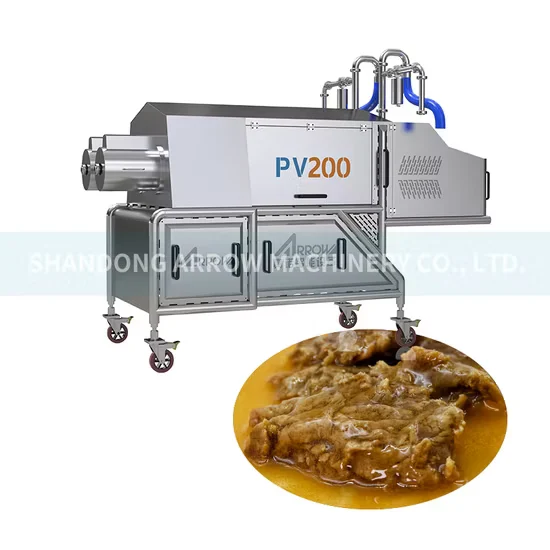
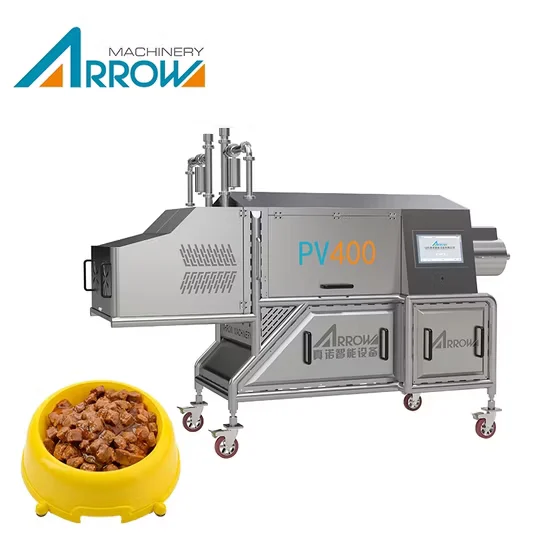
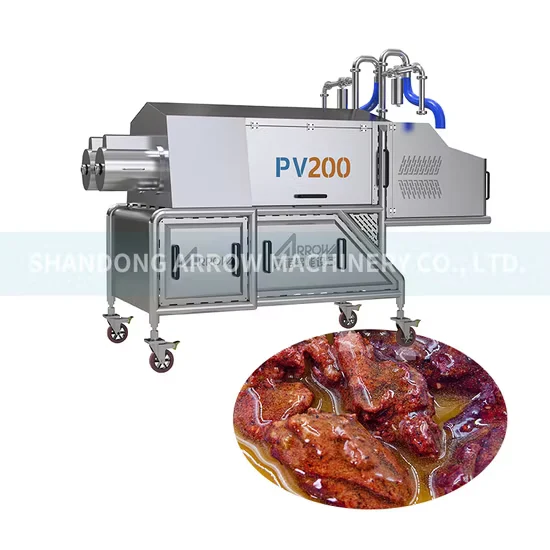
Finally, test the coating system. If your product requires high fat inclusion, a Vacuum Coating Machine is essential to ensure internal absorption and surface uniformity. For surface seasoning, drum flavoring machines must show even distribution without clumping. The final step is a continuous run, typically lasting several hours, to verify thermal balance and mechanical seal integrity. This duration allows the system to reach steady state, revealing issues that short bursts might miss, such as gradual temperature drift or bearing overheating.
Key Performance Indicators to Verify Before Shipping
Quantifiable metrics form the basis of acceptance. Do not rely on visual impressions alone. The primary KPI is actual output capacity in kg/h or t/h. Compare this measured value against the nominal capacity stated in the contract. Note that capacity depends on ingredient density and moisture content, so use the agreed reference formula for comparison.
Product quality indicators include particle size uniformity, moisture consistency, and, for aquafeed, floating rate or water stability. Collect samples at regular intervals during the continuous run to calculate variance. High variance indicates instability in feeding or cutting. Energy consumption is another critical metric. Record electricity, steam, and water usage per ton of finished product. Ensure these figures fall within the promised range, as excessive utility costs impact long-term operational profitability.
Automation and control systems must also pass verification. Check that the PLC records process parameters accurately and that alarm functions trigger correctly under simulated fault conditions. Verify that data logs can be exported for traceability. If the line includes automatic packaging or palletizing, test the synchronization with upstream equipment. Any delay or jam in one section should trigger appropriate stops or alerts in the control system to prevent product waste or machine damage.
Handling Discrepancies and Finalizing the FAT Report
Discrepancies are common during initial trials. The key is how they are documented and resolved. Create a Punch List detailing every deviation from the agreed specifications. Categorize items by severity: critical issues that prevent shipment, major issues requiring rework, and minor adjustments. For example, if the extruder fails to reach the target capacity, the Arrow engineering team may need to adjust screw elements or barrel temperatures. Define clear rectification plans and retest standards for each item.
Do not ship equipment until critical items are closed. Major items should have a agreed-upon timeline for resolution, possibly involving post-shipment support if immediate fixes are not feasible. Minor items can be noted for adjustment during site installation. Both parties must sign the formal FAT report. This document serves as the legal and technical basis for shipment, progress payments, and subsequent site commissioning. It protects both the buyer and the manufacturer by establishing a clear baseline of performance at the factory gate.
Frequently Asked Questions
Q: Who should attend the Factory Acceptance Test for a pet food line?
A: Ideally, your process engineers, production managers, and maintenance leads should attend. Their presence ensures that operational nuances, maintenance access points, and safety features are reviewed by those who will use the equipment daily. If travel is not possible, request detailed video records and live remote monitoring sessions. Include your quality control team to verify sampling methods and testing protocols align with your internal standards.
Q: What happens if the extruder fails to meet the agreed capacity during the FAT?
A: The engineering team will analyze the bottleneck. It may involve adjusting screw configurations, changing die plates, or modifying feeder rates. If the issue stems from raw material variability, additional trials with adjusted formulations may be needed. The Punch List will track these changes. Shipment is delayed until the capacity meets the contractual threshold or a mutually agreed compromise is reached, ensuring you do not receive underperforming equipment.
Q: Does the FAT include testing with our own specific raw material formula?
A: Yes, this is critical for accurate validation. Testing with your actual formula reveals how specific ingredients behave under shear and heat. It helps identify potential issues like sticking, uneven expansion, or excessive fines. Arrow supports raw material trials as part of the technical review. Confirm the availability and cost of these trials in your quotation. Using generic materials only verifies mechanical function, not process suitability for your unique product.
Q: How does the FAT differ from the Site Acceptance Test at our factory?
A: The FAT occurs at the manufacturer’s facility before shipment, focusing on equipment performance and compliance with specifications. The Site Acceptance Test happens after installation at your plant, verifying integration with local utilities, infrastructure, and operational workflows. While FAT ensures the machine works as built, SAT confirms it works in your specific environment. Issues found during SAT often relate to site-specific constraints rather than manufacturing defects.
Send your formula and capacity requirements to request a customized FAT checklist and technical specifications. Discuss how raw material trials can be integrated into your project plan to ensure your production line meets performance expectations from day one.