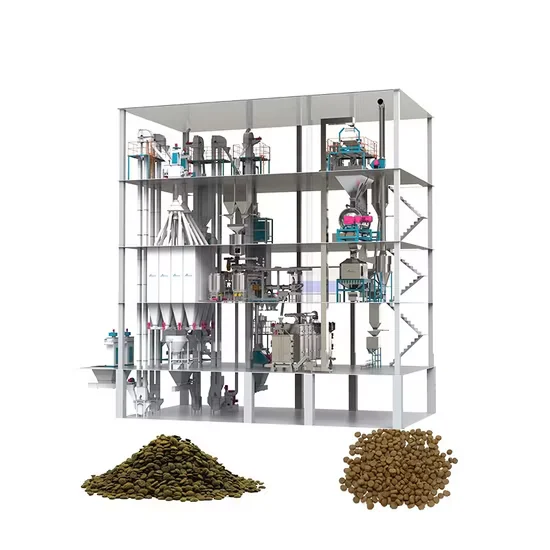
When international premium brands quote prices that blow past your budget, many plant owners feel forced to piece together standalone machines from different suppliers. This compromise often ignores the critical value of integrated process engineering, leading to costly mismatches between extrusion, drying, and coating stages.
Small and medium pet food plants do not need to chase high-premium international labels to achieve stable production. Choosing a source manufacturer with strong line integration capabilities allows for flexible, customized configurations that match your specific raw materials and factory constraints, ensuring efficient production of dry kibble, baked treats, and snacks without the overhead of oversized branded systems. When evaluating pet food processing equipment alternatives, focus on how well the supplier balances the entire line rather than just selling individual boxes.
Smart Sourcing Strategies for Small and Medium Pet Food Plants
Investors and production managers often face a dilemma: pay a heavy premium for established European or American brands, or risk quality by buying cheaper, uncoordinated machines. The middle ground lies in working with specialized source manufacturers who offer engineered solutions. These suppliers provide the technical depth of large integrators but with the agility and cost structure suitable for small and medium pet food plant operations.
The primary advantage here is visibility. With a single-source approach, you avoid the blame game that occurs when an extruder from one vendor fails to sync with a dryer from another. Instead, the engineering team looks at your utility limits, footprint, and target capacity to propose a balanced system. This method reduces the risk of hidden costs associated with retrofitting mismatched equipment later.
Why Line Integration Outperforms Standalone Machine Purchases
Buying a top-tier extruder does not guarantee good final product quality if the downstream equipment cannot handle the output. The extrusion process is only one part of the chain. If the dryer is undersized, moisture content will fluctuate, leading to mold risks or poor shelf life. If the coating system is incompatible with the kibble size, seasoning distribution will be uneven.
Complete line integration ensures that every component, from grinding to packaging, operates at a matched duty point. For instance, the capacity of the mixer must align with the extruder’s feed rate, and the dryer’s thermal efficiency must match the moisture load coming out of the die. A disjointed setup often creates bottlenecks where one machine waits for another, wasting energy and labor. By treating the plant as a single organism, engineers can optimize flow and reduce waste.
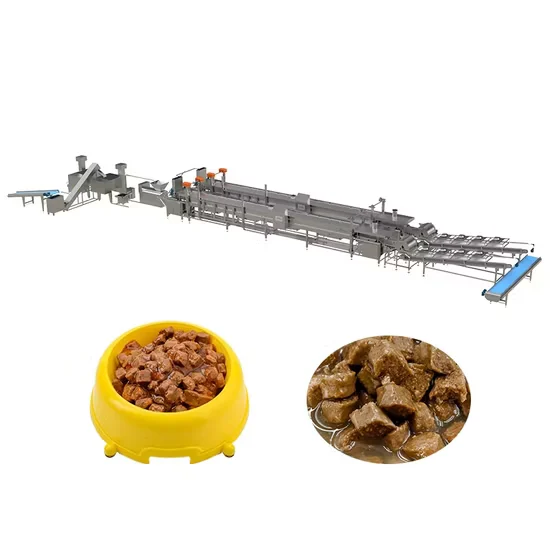
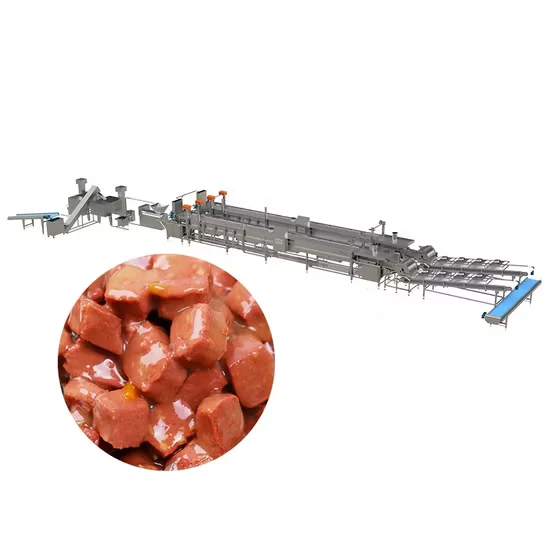
This holistic view is especially vital when producing complex products like wet food meat chunks or baked kibbles, where texture and moisture control are sensitive. A unified engineering scope means the supplier takes responsibility for the interface between systems, ensuring that control logic and physical connections work harmoniously.
Key Technologies to Evaluate in Alternative Suppliers
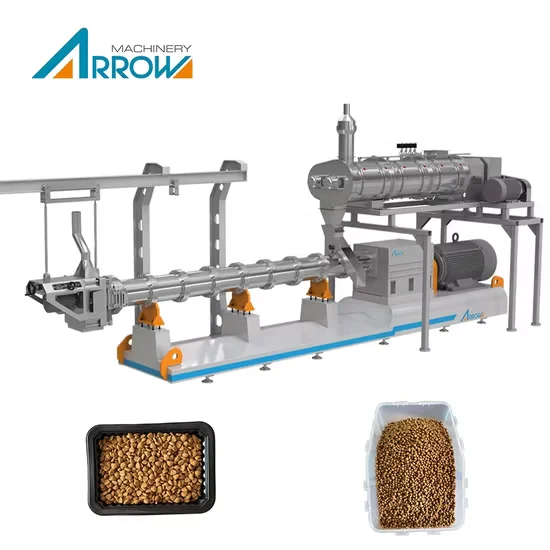
When assessing pet food processing equipment alternatives, look closely at the core processing technologies. The twin-screw extruder is the heart of most dry and semi-moist pet food lines. Unlike single-screw units, twin-screw systems offer better control over shear and temperature, making them ideal for recipes with high fresh meat content or high oil levels. They also allow for easier cleaning and formula changes, which is crucial for contract manufacturers running multiple SKUs.
Drying and coating are equally critical. A cross-flow circulation dryer provides consistent heat distribution, preventing case hardening where the outside dries too fast while the inside remains wet. For high-fat diets or palatability enhancers, a vacuum coating machine is superior to standard drum coaters. It allows fat and liquid flavors to penetrate the kibble pore structure rather than just sitting on the surface, reducing grease leakage during storage.
| Feature | Standalone Purchase Risk | Integrated Line Benefit |
|---|---|---|
| Capacity Matching | Often mismatched, causing bottlenecks | Balanced throughput across all stages |
| Control Logic | Separate panels, difficult to synchronize | Unified automation for smoother operation |
| Technical Support | Multiple vendors, conflicting advice | Single point of contact for troubleshooting |
| Layout Efficiency | May not fit existing footprint optimally | Customized design based on site dimensions |
These technologies must be selected based on your specific ingredient profile. For example, if you are producing sinking fish feed, the extrusion conditions and drying curve must be adjusted to maintain density without compromising durability.
How Arrow Machinery Engineers Solutions for Producers
Arrow Machinery approaches each project by first understanding the raw material formulation and target product characteristics. Whether you need a Dry Pet Food Production Line for standard kibble or a specialized setup for baked treats, the engineering team evaluates your site’s power, space, and utility constraints. This ensures that the proposed pet food processing equipment alternatives are not just theoretically sound but practically viable for your facility.
The company supports both new greenfield projects and retrofits. For existing plants looking to expand, modular configurations allow for staged expansion without shutting down current operations. This flexibility is a key advantage for growing businesses that need to scale capacity incrementally. From raw material trials to final commissioning, the process is designed to minimize risk.
By consolidating the commercial and engineering scope into one proposal, Arrow eliminates the coordination headaches of managing multiple suppliers. The focus remains on delivering a production system that meets your quality standards and operational budget, with clear documentation and training included in the contract.
Frequently Asked Questions
Q: What are the main advantages of choosing a complete production line over individual machines?
A: A complete line ensures that all components, from grinding to coating, are balanced for capacity and control. This prevents bottlenecks and simplifies automation, whereas standalone machines may require complex interfacing and often lead to mismatched throughput rates.
Q: How do I ensure the extruder and dryer are properly matched for my specific pet food recipe?
A: Share your raw material formulation and target moisture content with the engineering team. They will calculate the thermal load and select a dryer with the appropriate airflow and temperature profile to handle the specific moisture output of your extruder configuration.
Q: Can a medium-sized pet food plant upgrade its capacity without replacing the entire line?
A: Yes, modular designs allow for phased upgrades. You can replace or add specific modules, such as a larger mixer or a higher-capacity extruder, while keeping existing downstream equipment if it is compatible. The supplier can assess your current setup to identify feasible expansion points.
Q: What technical details should I prepare before requesting a quotation for a new pet food plant?
A: Provide your product type, raw material ratios, desired output capacity, product shape, and target moisture. Also include site dimensions, power availability, and any specific automation requirements. This data allows the engineer to propose a precise and viable configuration.
Send your product formula and target capacity to receive a customized technical proposal and factory layout diagram. Discuss your raw material testing needs and request detailed specifications to ensure the system matches your production goals.