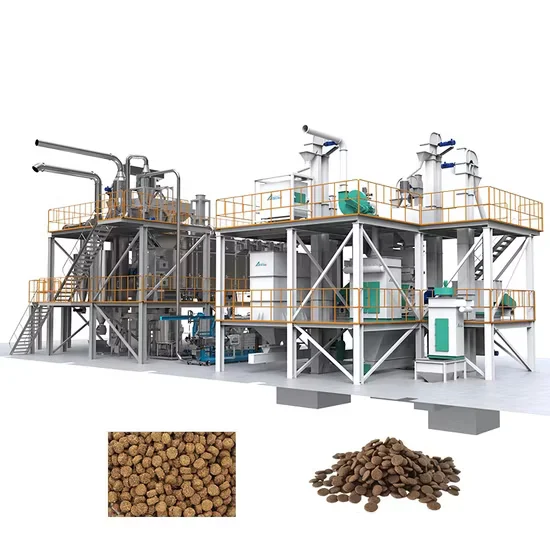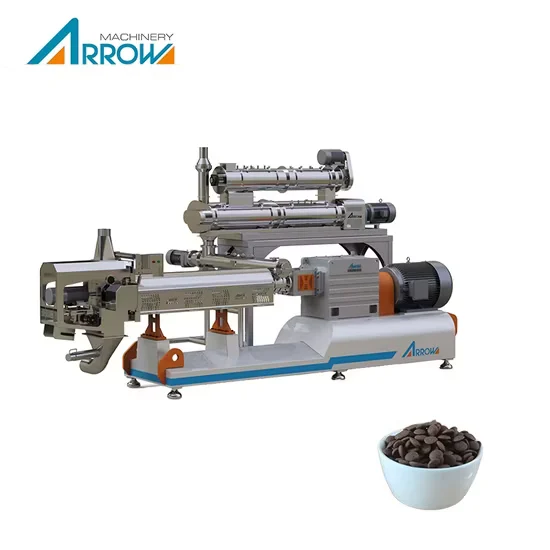
In pet food manufacturing, the particle size of raw materials directly dictates the wear rate on twin-screw extruder barrels and the final digestibility of the kibble. Selecting the wrong grinding equipment can cripple an entire production line’s efficiency and product consistency before the material even reaches the mixer.
Hammer mills excel at high-capacity coarse to medium grinding for standard grains and meat meals, while pulverizers provide the fine, uniform particle distribution required for premium formulations and stable extrusion. The choice depends entirely on your specific recipe requirements, target kibble texture, and the need for consistent moisture absorption during conditioning.
Understanding Particle Size Requirements in Pet Food Formulations
The journey from raw ingredient to finished kibble begins with comminution, yet this step is often underestimated. Inconsistent particle size leads to uneven hydration in the preconditioner, causing fluctuations in starch gelatinization and resulting in variable kibble density. For manufacturers producing high-meat-content dry foods or specialized diets for young animals, the margin for error is slim.
Coarse grinding may suffice for basic maintenance feeds, but premium products demand precision. If particles are too large, they may not cook thoroughly inside the extruder, leading to poor expansion and potential microbial risks. Conversely, excessive fines can cause bridging in feed hoppers and inconsistent flow into the extruder throat. The goal is a uniform distribution that ensures every pellet expands predictably and maintains structural integrity after drying.
Different product categories impose different demands. A standard adult dog kibble might tolerate a broader particle range, whereas a small-breed formula or a high-fiber cat diet requires tighter control to ensure palatability and digestibility. When processing wet food meat chunks or texturized proteins, the initial grind affects the fibrous structure of the final product, making the selection of grinding technology a critical process decision rather than just a preparatory step.
Hammer Mills for Coarse to Medium Grinding
Hammer mills operate on the principle of impact reduction. High-speed rotating hammers strike the material, shattering it against a stationary screen until the particles are small enough to pass through the perforations. This mechanism makes them highly effective for brittle materials like corn, wheat, and soybean meal. Their simplicity translates to lower initial investment and ease of maintenance, which is why they remain a staple in many feed mills.
For general-purpose pet food production, a Hammer Mill offers significant advantages in throughput. They are ideal for primary grinding stages where the objective is to reduce large raw materials into a manageable size for further processing. The ability to quickly change screens allows operators to adjust particle size for different batches, providing flexibility for facilities running multiple SKUs. However, the particle distribution from a hammer mill tends to be wider, with a mix of fine dust and larger fragments.
This wider distribution can be problematic for high-precision extrusion. Uneven particles absorb water at different rates during conditioning, leading to hot spots or cold spots in the extruder barrel. Over time, this inconsistency accelerates wear on the screw elements and die plates. While hammer mills are cost-effective for standard applications, they may struggle to achieve the ultra-fine consistency required for specialized diets without recirculation loops, which increase energy consumption and heat generation.
Pulverizers for Fine and Ultra-Fine Grinding
Pulverizers, often referred to as micro-grinders or fine grinding machines, utilize a combination of impact and attrition to achieve superior particle size reduction. Unlike hammer mills that rely primarily on single-impact events, pulverizers subject the material to repeated collisions and shearing forces within a confined chamber. This results in a much narrower particle size distribution and a higher percentage of fines, which is essential for certain advanced pet food applications.
A Pulverizer is particularly valuable when processing high-fiber ingredients, bone meals, or when producing super-premium kibble where surface smoothness and rapid water absorption are critical. The finer grind improves the surface area available for enzymatic action during digestion and ensures a more homogeneous mix when minor ingredients like vitamins and minerals are added. This uniformity is vital for meeting strict nutritional guarantees on product labels.
From an extrusion standpoint, fine grinding enhances the plasticity of the melt. Uniform particles allow for more efficient heat transfer and shear development inside the twin-screw extruder, leading to better expansion ratios and a more consistent kibble structure. For manufacturers facing issues with barrel wear or blockages due to inconsistent feed, switching to a pulverizer for key ingredients can resolve these operational bottlenecks. It is especially recommended for recipes with high levels of fresh meat or complex fiber sources that do not fracture easily under simple impact.
Selecting the Right Grinding Equipment for Your Line
Choosing between a hammer mill and a pulverizer is not a binary decision but a process engineering challenge. Many efficient lines employ both, using a hammer mill for primary reduction of bulk grains and a pulverizer for finishing sensitive or hard-to-grind components. The decision must align with your target product specifications, available floor space, and energy budget. Consider the downstream effects: a finer grind increases the load on dust collection systems and may require adjustments in mixing times to prevent segregation.
Evaluate the wear characteristics of your raw materials. Abrasive ingredients like rice husk or certain mineral premixes will degrade hammer mill screens rapidly, increasing maintenance downtime. Pulverizers, with their different wear patterns, may offer longer service intervals for specific abrasive loads, though their internal components are also subject to wear and require regular inspection. Matching the grinding technology to the ingredient profile minimizes total cost of ownership.
Integration with the rest of the line is equally important. Ensure that the capacity of the grinding system matches the throughput of your mixer and extruder. A bottleneck at the grinding stage will starve the extruder, causing instability in the final product. Shandong Arrow Machinery supports customers in balancing these duty points, offering layout-based equipment configuration to ensure that upstream and downstream machines work in harmony. Whether you need a standalone replacement module or a complete integrated solution, the focus should remain on process stability and repeatability.
Frequently Asked Questions
Q: Can a hammer mill achieve the fine particle size needed for premium pet kibble?
A: Standard hammer mills can produce fine particles by using smaller screen holes, but this reduces throughput and increases heat generation. For consistent ultra-fine grinding required by premium formulas, a pulverizer is often more efficient and provides a narrower particle size distribution, ensuring better extrusion stability and product quality.
Q: What are the main wear parts to consider when maintaining a pet food pulverizer?
A: Key wear components include the grinding blades, liners, and screens. The frequency of replacement depends on the abrasiveness of the raw materials, such as bone meal or high-fiber ingredients. Regular inspection and timely replacement are crucial to maintain consistent particle size and prevent contamination from metal wear debris in the final product.
Q: Should I install a hammer mill and a pulverizer in series for my dry pet food line?
A: Yes, a two-stage grinding system is common in high-capacity plants. The hammer mill performs primary size reduction on bulk grains, while the pulverizer refines specific ingredients or the entire mix to the target fineness. This approach optimizes energy usage and protects the pulverizer from oversized materials, extending its lifespan and ensuring consistent output.
Q: How does grinding fineness affect the twin-screw extrusion process?
A: Uniform particle size ensures consistent water absorption during conditioning and even cooking in the extruder. Inconsistent grind leads to variable melt viscosity, causing fluctuations in kibble expansion, shape, and density. Fine, uniform particles also reduce mechanical wear on the extruder screws and barrel, lowering maintenance costs and improving overall line efficiency.
Send your raw material formulation, target capacity, and desired particle size specifications to receive a customized grinding section equipment configuration and production line layout from our technical team. We can also discuss raw material trials to validate the optimal grinding technology for your specific recipe before finalizing your equipment selection.