Many investors comparing pet food extruder choices focus heavily on brand recognition or initial capital cost, often overlooking the critical interplay between screw configuration flexibility and downstream system matching. This oversight frequently leads to production bottlenecks where the extruder performs well in isolation but fails to deliver consistent product quality when integrated into a full line. The core issue is not merely the metal box itself, but how precisely the machine handles specific raw material behaviors under varying shear and thermal conditions.
Selecting the right equipment requires evaluating the extrusion system based on ingredient characteristics, desired product density, and the precision of temperature control rather than generic specifications. A machine that excels with high-starch formulas may struggle significantly with high fresh meat content if the screw elements are not designed for the required shear profile. Therefore, the decision must prioritize process engineering capabilities and the ability to customize the mechanical setup to your specific formulation needs.
Evaluating Extruder Core Performance Beyond Brand Names
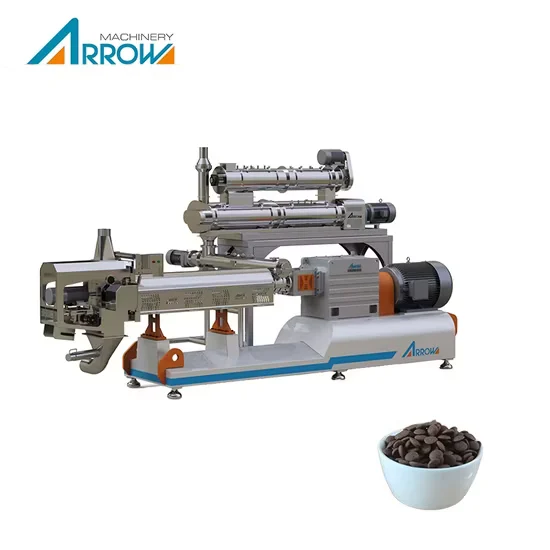
When assessing industrial food extruder machine options, the flexibility of the screw configuration is the primary determinant of recipe adaptability. Not all twin-screw designs offer the same level of modularity. For manufacturers producing high-meat kibble or specialized treats, the ability to adjust compression ratios and shear intensity is vital. A rigid screw design may cause barrel clogging or inconsistent pellet formation when processing sticky or high-fat ingredients. In contrast, a modular system allows engineers to swap elements to optimize mixing, cooking, and conveying zones according to the specific rheology of the feedstock.
Temperature and shear control precision directly influence product density and texture. Inconsistent heating can lead to uneven starch gelatinization, resulting in kibble that is either too hard or prone to breaking during handling. Advanced control systems enable operators to maintain stable barrel temperatures across multiple zones, ensuring that the product exits the die with uniform expansion. This stability is particularly crucial when switching between different product shapes or sizes, as rapid adjustments must not compromise the thermal history of the material.
Maintenance accessibility also plays a significant role in minimizing production downtime. Barrel designs that allow for quick opening and cleaning reduce the time spent between batch changes or formula adjustments. Look for machines where wear parts are easily accessible and where the drive system is protected from dust and moisture. A well-designed extruder facilitates routine inspections without requiring extensive disassembly, thereby supporting higher overall equipment effectiveness in a busy manufacturing environment.
Matching the Extruder with Downstream Processing Systems
An extruder does not operate in a vacuum; its output must align precisely with the capacity of downstream equipment. A common mistake in pet food extruder comparison is sizing the extruder for maximum throughput while neglecting the drying stage. If the Cross-Flow Circulation Dryer cannot handle the moisture load from the extruder, the entire line becomes bottlenecked. This mismatch forces operators to run the extruder below capacity, wasting energy and reducing return on investment. Proper engineering ensures that the drying rate matches the extrusion output, maintaining a smooth flow of material through the plant.
Post-extrusion coating is another critical phase where equipment selection impacts final product quality. For high-fat formulations or products requiring precise flavor distribution, a Vacuum Coating Machine is often superior to standard drum coaters. Vacuum coating allows fat and liquid additives to penetrate the porous structure of the kibble, preventing surface greasiness and improving shelf life. Integrating this system requires careful coordination of timing and temperature to ensure the product is at the optimal state for absorption. Sourcing these components as part of a unified engineered line reduces interface risks and simplifies commissioning.
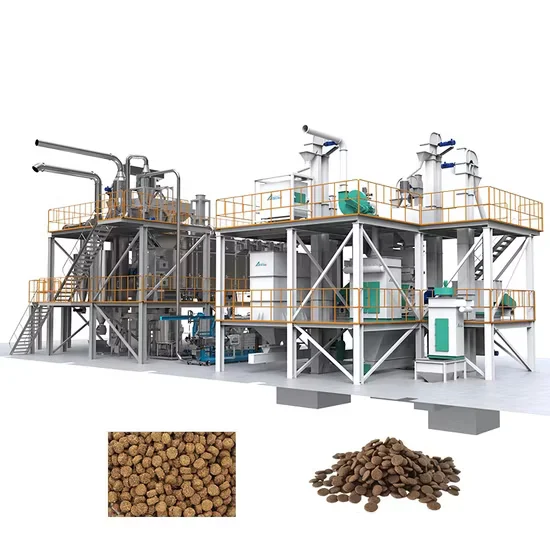
Sourcing a complete engineered line versus integrating standalone machines from multiple suppliers offers distinct advantages in terms of compatibility and support. When all major components are designed to work together, the control systems can be synchronized more effectively, reducing the likelihood of operational conflicts. Additionally, having a single point of responsibility for the entire process simplifies troubleshooting and maintenance planning. This holistic approach ensures that each module, from grinding to packaging, contributes to the overall efficiency and quality consistency of the production facility.
Engineering Support and Turnkey Project Execution
Before finalizing machine specifications, raw-material trials are essential to validate performance claims. A theoretical design may look promising on paper, but actual behavior depends on the specific properties of the ingredients used. Access to a testing platform allows engineers to observe how the material responds to different screw configurations and thermal settings. This empirical data informs the final equipment selection, reducing the risk of poor performance after installation. Suppliers who offer such testing demonstrate a commitment to process accuracy rather than just hardware sales.
Factory layout design significantly impacts material flow, operator access, and future expansion potential. A well-planned layout minimizes cross-contamination risks and optimizes the movement of raw materials and finished products. It also ensures that maintenance teams can safely access critical components without disrupting adjacent operations. During the planning phase, consider utility requirements such as power frequency, steam availability, and water quality, as these factors influence machine performance and longevity. A detailed layout review helps identify potential constraints early in the project lifecycle.
Evaluating overseas commissioning, operator training, and spare-parts availability is crucial for long-term operational success. The contract should clearly define the scope of installation support, including the duration of on-site assistance and the extent of training provided to local staff. Availability of spare parts and technical documentation in the local language facilitates quicker resolution of minor issues. Clear agreements on these services prevent misunderstandings and ensure that the factory team is fully prepared to operate and maintain the equipment efficiently.
Arrow Machinery: Integrated Solutions for Pet Food Manufacturers
Shandong Arrow Machinery provides a comprehensive portfolio that covers every stage of pet food production, from twin-screw extruders to advanced drying and coating systems. Their approach focuses on application-based machine selection, ensuring that each component is chosen based on the specific product shapes, densities, and moisture targets required by the customer. This method avoids the pitfalls of one-size-fits-all solutions and delivers equipment that is truly fit for purpose.
The company emphasizes structured technical consultation, helping clients navigate the complexities of process engineering. Whether for a new factory or a retrofit of an existing plant, Arrow offers transparent commercial scopes that detail exactly what is included in the proposal. This clarity allows buyers to make informed decisions based on accurate technical and financial data. By integrating process evaluation with equipment supply, they support customers in achieving consistent product quality and operational efficiency.
Frequently Asked Questions
Q: How do I choose the right screw configuration for my specific pet food recipe?
A: The choice depends on ingredient composition, particularly protein and fat levels, and the desired product texture. High-meat formulas require screws with lower shear to prevent overheating, while starch-heavy mixes need higher compression for proper gelatinization. Conducting raw-material trials helps determine the optimal element arrangement for your specific formulation, ensuring consistent quality and preventing processing issues like clogging or uneven expansion.
Q: Can an extruder from one brand be integrated with dryers and coaters from another supplier?
A: While technically possible, integrating equipment from multiple suppliers often leads to compatibility issues in control systems and capacity matching. Differences in communication protocols and mechanical interfaces can cause operational inefficiencies. Sourcing a complete line from a single provider ensures better synchronization, simplified commissioning, and a single point of accountability for performance, reducing the risk of bottlenecks and technical conflicts during production.
Q: What factory utilities and space requirements should I prepare before requesting an extruder quotation?
A: Provide detailed information on available power voltage and frequency, steam pressure, water quality, and fuel sources for heating. Include factory dimensions, ceiling height, and floor load capacity to ensure proper equipment placement. Also, specify any constraints on noise or emissions. This data allows engineers to design a layout that maximizes efficiency while adhering to local safety and environmental regulations, avoiding costly modifications later.
Q: Do you provide raw-material testing before I commit to purchasing a complete production line?
A: Yes, raw-material trials are recommended to validate equipment performance with your specific ingredients. These tests help refine screw configurations and process parameters before finalizing the order. Discuss the availability, cost, and scope of testing with the supplier during the technical review phase. This step ensures that the proposed solution is grounded in empirical data, reducing the risk of unexpected issues during full-scale production.
Send your product formula, target capacity, and desired shape details to receive a customized technical proposal. Request a raw-material trial to validate the equipment configuration against your specific production requirements before making a final investment decision.