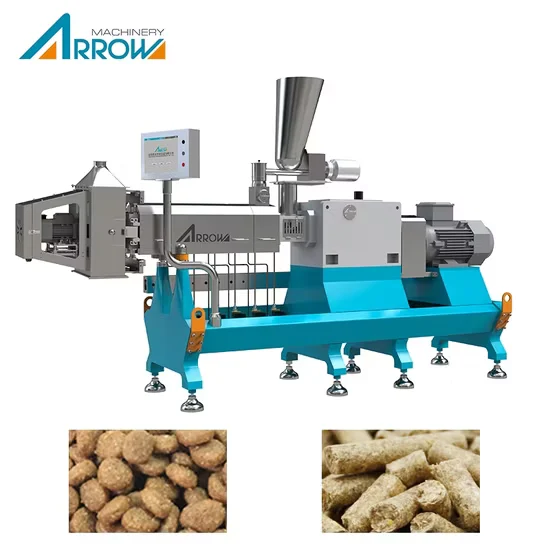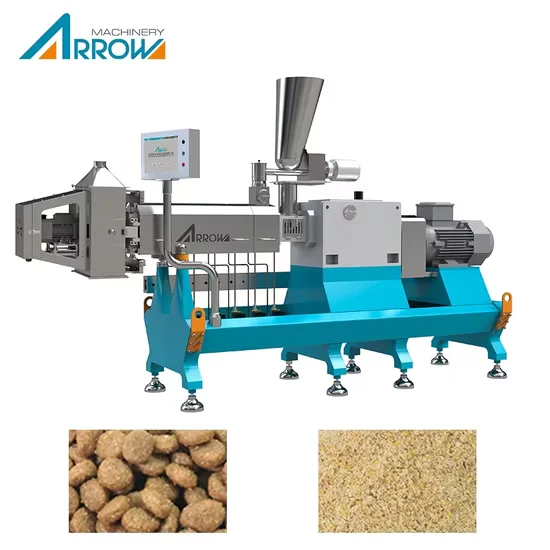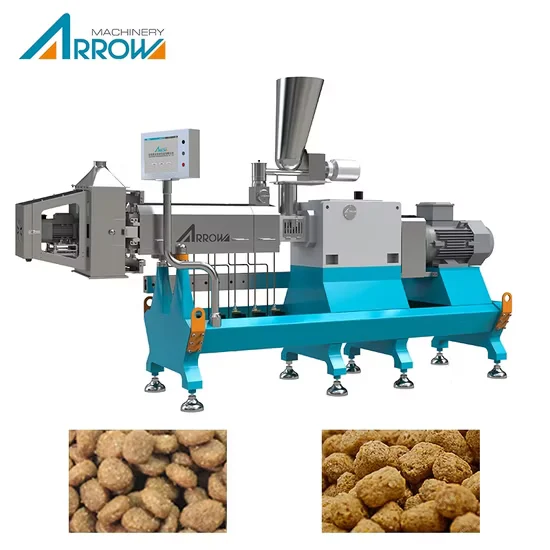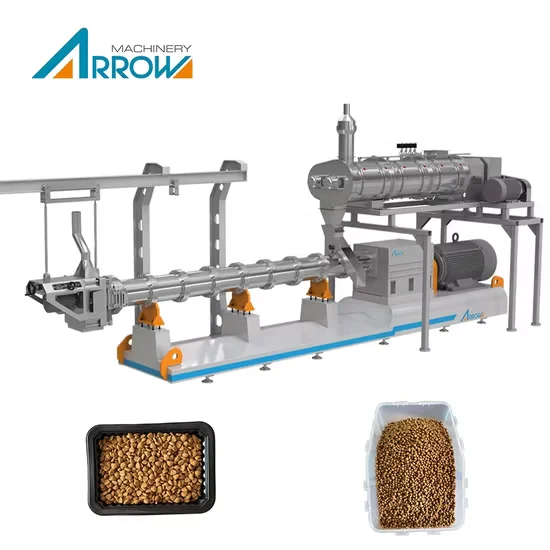
For startup pet food manufacturers, the allure of a used production line often masks severe operational risks. The initial low price tag is merely the tip of the iceberg, while true costs hide in unplanned downtime, excessive energy consumption, and process compromises that prevent new recipes from meeting quality standards.
Buying a used pet food extruder or complete line may lower upfront capital expenditure, but it frequently increases the total cost of ownership through hidden maintenance, inefficient energy use, and a lack of process repeatability. New, customized equipment offers matched thermal control, precise screw configurations, and integrated engineering support that aging machines cannot guarantee, ensuring consistent product quality and reliable throughput from day one.
The Hidden Financial Burden of Used Pet Food Equipment
When evaluating pet food line brands vs used alternatives, many investors focus exclusively on the purchase price. However, the financial reality of operating refurbished machinery often diverges sharply from initial projections. Used equipment typically arrives with undocumented wear patterns, particularly in critical components like extruder barrels and screws. Uneven barrel wear leads to pressure drops and inconsistent material flow, which directly impacts kibble expansion and density. Correcting these mechanical flaws requires immediate investment in re-machining or replacement parts, which are often non-standard and difficult to source for older models.
Energy efficiency is another major factor where used lines fall short. Older motors, drives, and heating systems operate at lower efficiencies compared to modern designs. Over a year of continuous operation, the cumulative cost of excess electricity and fuel can exceed the savings gained from buying second-hand. Furthermore, frequent breakdowns disrupt production schedules, leading to wasted raw materials and missed delivery deadlines. For a new brand trying to establish reliability with retailers, these operational inconsistencies are financially and reputationally damaging.
The lack of original documentation also poses a significant risk. Without accurate manuals or historical maintenance records, troubleshooting becomes a trial-and-error process. This uncertainty extends to safety compliance, as older machines may not meet current electrical or mechanical safety standards in your target market. Retrofitting these systems to comply with local regulations adds another layer of unexpected expense, further eroding the perceived value of the used equipment.
Process Limitations: How Used Gear Restricts Recipe Innovation
Modern pet food formulation is increasingly complex, involving high meat inclusion, novel protein sources, and specific functional ingredients. These advanced recipes require precise control over shear, temperature, and residence time within the extruder. Used equipment, particularly older single-screw or basic twin-screw models, often lacks the flexibility to adjust these parameters dynamically. When a machine’s thermal control system is degraded or its screw configuration is fixed, it cannot adapt to the varying viscosity of fresh meat slurries or high-fiber mixes.
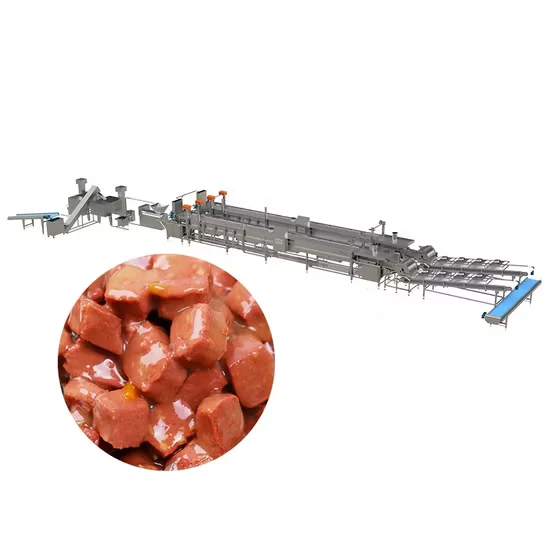
This limitation becomes evident when attempting to produce specialized products like wet food meat chunks or high-protein dry kibble. Inconsistent moisture control during extrusion leads to variable pellet size and texture, which affects palatability and digestibility. For aquatic feed, the difference between floating and sinking pellets depends on a delicate balance of formulation, extrusion conditions, and drying. A used line with mismatched components cannot provide the stability needed to maintain buoyancy control, resulting in high rejection rates.
Moreover, downstream processes such as drying and coating are equally sensitive to upstream consistency. If the extruder produces uneven pellets, the dryer will struggle to achieve uniform moisture reduction, leading to either under-dried centers prone to mold or over-dried surfaces that crack. Similarly, applying oil or flavorings via a vacuum coating machine requires a consistent substrate. Irregular shapes from an aging extruder result in uneven coating distribution, wasting expensive additives and compromising product quality.
Advantages of New Customized Lines: Integration and Engineering Support
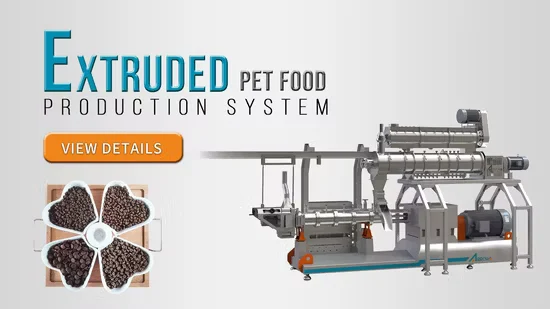
Investing in a new production line allows for a holistic approach to plant design. Instead of piecing together disparate machines, engineers can configure each component to match the specific capacity and product requirements of your facility. For instance, selecting a Twin-Screw Extruder with appropriate barrel length and screw elements ensures optimal mixing and cooking for your specific ingredient profile. This customization extends to the entire line, ensuring that the grinder, mixer, dryer, and coater all operate at balanced duty points.
One of the most significant benefits of working with a manufacturer like Arrow is the ability to validate processes before full-scale production. Raw material trials allow you to test your specific formula on the proposed equipment, confirming that the machine can handle your desired output and product characteristics. This step eliminates the guesswork associated with used equipment, where performance claims are often based on generic data rather than your actual recipe. The insights gained from these trials inform the final equipment configuration, ensuring that the selected machinery aligns with your technical goals.
Integration also simplifies operations and maintenance. When all major components come from a single source, compatibility issues are minimized. Control systems can be unified, allowing operators to monitor and adjust the entire process from a central interface. This level of integration reduces the learning curve for staff and improves response times during process adjustments. Additionally, having a single point of contact for technical support and spare parts streamlines after-sales service, reducing downtime during routine maintenance or unexpected repairs.
Evaluating Suppliers: Key Criteria for Startup Success
When comparing pet food line brands vs used options, the supplier’s capability to provide comprehensive engineering support is crucial. Look for partners who offer more than just hardware. A reputable supplier will engage in detailed discussions about your raw materials, target capacity, and factory constraints. They should provide a preliminary configuration that addresses not only the extrusion step but also upstream preparation and downstream handling. This holistic view helps identify potential bottlenecks, such as insufficient drying capacity or inadequate cooling before packaging.
Technical transparency is another vital criterion. Ask potential suppliers how they determine screw configurations and thermal profiles for your specific application. Do they offer process consultation based on ingredient behavior? Can they provide references for similar projects? A supplier that emphasizes application-based selection demonstrates a deeper understanding of the extrusion process than one that simply sells standard models. This expertise is essential for navigating the complexities of modern pet food manufacturing, where product differentiation often relies on subtle processing nuances.
Finally, consider the long-term partnership aspect. Will the supplier assist with installation and commissioning? Do they offer operator training to ensure your team can run the line efficiently? Are spare parts readily available, and is there a clear protocol for technical support? These factors contribute to the overall feasibility and sustainability of your project. A supplier that commits to these services provides a safety net that mitigates the risks associated with launching a new manufacturing facility.
Frequently Asked Questions
Q: Is buying a used pet food extruder a good idea for a startup?
A: While the lower upfront cost is attractive, used extruders often carry hidden risks such as undocumented wear, inefficient energy use, and lack of process flexibility. For startups aiming for consistent quality and reliable throughput, the potential for frequent downtime and costly repairs usually outweighs the initial savings. New equipment offers predictable performance and manufacturer support, which are critical for establishing a stable production baseline.
Q: How do the lifetime costs of new vs. used pet food lines compare?
A: The total cost of ownership for used lines often exceeds that of new ones due to higher maintenance frequency, increased energy consumption, and production losses from instability. New lines, while requiring higher initial investment, offer better energy efficiency, standardized spare parts, and optimized process integration. When factoring in reduced waste and higher uptime, new equipment typically provides a more favorable economic outcome over a five-year period.
Q: Can used equipment handle new or specialized pet food recipes?
A: Older machines generally lack the precise thermal and shear control needed for complex formulations involving high meat content or novel ingredients. Used extruders may have fixed screw configurations or degraded heating zones that limit their ability to adapt to new recipes. This rigidity can result in poor product texture, inconsistent density, and high rejection rates, making it difficult to innovate or meet specific nutritional targets required by modern pet food standards.
Q: What technical support is missing when buying used machinery?
A: Purchasing used equipment typically excludes access to original engineering support, process optimization services, and warranty coverage. You lose the benefit of raw material trials, custom layout planning, and operator training provided by manufacturers. Without this support, troubleshooting becomes internal and reactive, leading to longer resolution times for technical issues. Additionally, sourcing specific spare parts for obsolete models can be challenging, further extending downtime during repairs.
Send your product formula and required capacity to receive a customized production line proposal from Arrow. Our engineering team will review your specific needs, discuss raw material trials, and provide detailed technical specifications and layout options to ensure your facility is optimized for success.