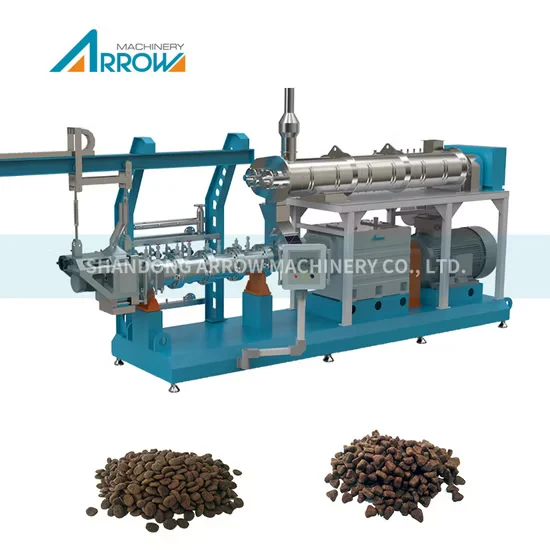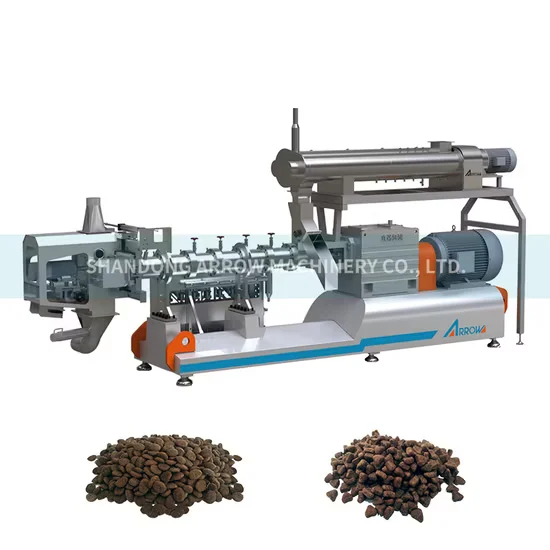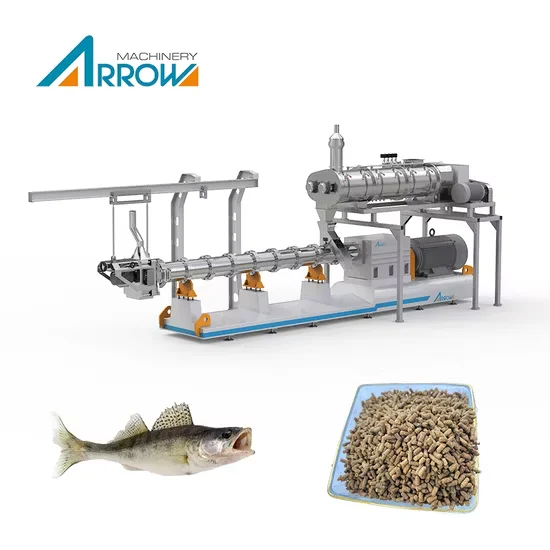
Many overseas buyers discover too late that their new pet food machinery cannot power up because the control panels do not meet local electrical codes, or that wooden crates are held at the port due to biosecurity risks. These oversights can stall a complete kibble production line for weeks, turning a strategic expansion into a logistical nightmare. Avoiding these pitfalls requires more than just selecting the right extruder; it demands rigorous pre-shipment planning for both electrical compliance and customs clearance.
To successfully import a pet food extrusion line into Australia, you must verify that all electrical components adhere to AS/NZS standards and ensure that packaging and equipment surfaces meet strict biosecurity cleaning protocols. This guide details the specific technical and documentation steps required to prevent port delays and ensure your facility is ready for commissioning upon arrival. Understanding Australian kibble line electrical import rules early in the procurement process saves significant time and cost.
Electrical Compliance for Pet Food Machinery in Australia
Australia enforces stringent electrical safety standards that differ significantly from those in North America, Europe, or Asia. The primary framework is AS/NZS 3000, which governs electrical installations. For imported machinery, this means every component from the main control panel to individual motors and heating elements must comply with local regulations. Most industrial facilities in Australia operate on a 415V three-phase supply at 50Hz, while single-phase outlets provide 230V at 50Hz. Equipment designed for 60Hz regions or different voltage tiers will not function correctly and may suffer immediate damage if connected without proper transformation or rewiring.
The Regulatory Compliance Mark (RCM) is essential for electrical equipment sold or used in Australia. While entire production lines may not carry a single RCM label, individual electrical components such as circuit breakers, contactors, variable frequency drives, and motors must often be certified. When sourcing a Twin-Screw Extruder or a Cross-Flow Circulation Dryer, request detailed electrical schematics and component lists from your supplier. Verify that the control panel is built with Australian-standard components or that it is designed for easy local certification by a licensed electrician upon arrival. Some suppliers offer pre-certified panels, but this must be explicitly stated in the technical specification sheet.
Failure to address these requirements during the quotation phase can lead to costly retrofits. A control panel that lacks proper isolation switches, emergency stop circuits configured to local norms, or correct cable gland ratings for the environment may fail inspection. It is not enough to assume that a machine working in China or Europe will work in Australia. The electrical design must account for local ambient conditions and safety interlocks required by Australian workplace health and safety laws. Engaging a local electrical consultant during the design review phase can identify potential compliance gaps before manufacturing begins.
Navigating Australian Customs and Biosecurity for Machinery Imports
Australia’s Department of Agriculture, Fisheries and Forestry maintains some of the world’s strictest biosecurity measures. Imported machinery, particularly used equipment or new machines that have been tested with organic materials, faces rigorous inspection for soil, plant matter, and animal residues. Even trace amounts of grain dust, meat powder, or oil residue inside a mixer or extruder barrel can trigger a hold order. This results in expensive cleaning fees, storage charges, and potential rejection of the shipment. Cleanliness is not just a quality issue; it is a legal requirement for entry.
Wooden packaging materials are another critical checkpoint. All wood packing, including pallets, crates, and dunnage, must comply with the International Standard for Phytosanitary Measures No. 15 (ISPM 15). This standard requires wood to be heat-treated or fumigated and marked with an official stamp. If any wooden component lacks this mark, or if live insects are detected, the entire container may be refused entry or subjected to mandatory fumigation at the importer’s expense. Using metal or plastic alternatives for internal bracing where possible can reduce this risk, but external crating usually remains wooden.
For a complete kibble production line import customs clearance, documentation must be precise. The commercial invoice and packing list should clearly describe each item, its material composition, and its function. Ambiguous descriptions like “machine parts” can raise flags. Instead, use specific terms such as “stainless steel twin-screw extruder barrel,” “carbon steel dryer housing,” or “electrical control cabinet.” Providing photos of the cleaned interior of hoppers, mixers, and extruders before loading can serve as evidence of due diligence if questions arise during inspection.
Pre-Shipment Preparation to Avoid Port Delays
Preparation begins long before the ship leaves the port. Factory Acceptance Testing (FAT) is the ideal time to verify electrical compatibility. During FAT, insist on running the equipment at the target voltage and frequency if possible, or at least verify the configuration of transformers and drives. Check that all nameplates reflect the correct specifications for the Australian market. This is also the moment to confirm that the Vacuum Coating Machine and other downstream units are wired to match the main line’s power distribution strategy. Any discrepancy found here is far cheaper to fix than after the machine arrives in Sydney or Melbourne.
Cleaning protocols must be documented and verified. Before disassembly for shipping, every surface that contacted raw materials or finished products should be thoroughly cleaned. Remove all grease, dust, and product residue from hard-to-reach areas such as screw flights, die plates, and dryer belts. Use non-toxic cleaning agents that leave no harmful residues. After cleaning, apply a protective coating of food-grade oil or corrosion inhibitor to prevent rust during ocean transit. Document this process with timestamped photos and a signed cleaning certificate from the manufacturer.
Export documentation must align with physical cargo. Ensure the bill of lading, commercial invoice, and packing list match exactly. Discrepancies in weight, quantity, or description can cause customs holds. Include technical manuals, electrical diagrams, and any available compliance certificates for major components in the digital data package sent to your customs broker ahead of arrival. This allows them to prepare the import declaration accurately and respond quickly to any queries from border force officers.
Arrow’s Support for Turnkey Line Delivery to Australia
Shandong Arrow Machinery supports international projects by integrating compliance considerations into the engineering phase. When configuring a line for Australia, the engineering team reviews utility requirements, including voltage, frequency, and phase, to ensure the electrical design matches local standards. This includes selecting appropriate components for control panels and ensuring that motors and heaters are rated for 50Hz operation. By addressing pet food extruder Australia electrical standards during the initial layout and quotation, Arrow helps minimize the need for post-arrival modifications.
Beyond electrical specs, Arrow assists with export preparation. The company provides guidance on packaging methods that meet ISPM 15 requirements and ensures that equipment is thoroughly cleaned and protected before crating. For turnkey projects, the scope can include factory acceptance testing where electrical functions are verified against the buyer’s specifications. This collaborative approach ensures that the mechanical and electrical integrity of the line is confirmed before it leaves the factory, reducing uncertainty during installation and commissioning.
Frequently Asked Questions
Q: Do pet food extruders and dryers need specific electrical certifications for Australia?
A: Individual electrical components like motors, drives, and switches often require RCM marking or equivalent certification to prove compliance with AS/NZS standards. The entire machine may not carry a single certificate, but the control panel must be built to local safety norms. Always verify component certifications with your supplier and consult a local electrician for final connection approval.
Q: What are the biosecurity and cleaning requirements for importing machinery into Australia?
A: All machinery must be free of soil, plant material, and animal residues. Internal surfaces of mixers, extruders, and dryers must be thoroughly cleaned. Wooden packaging must be ISPM 15 compliant with visible stamps. Failure to meet these standards can result in mandatory cleaning, fumigation, or rejection of the goods by Australian biosecurity officers.
Q: How does Arrow Machinery ensure the control panels meet Australian voltage and safety standards?
A: Arrow engineers configure electrical systems based on the buyer’s specified utility parameters, including 415V/50Hz for Australia. They select components that meet relevant safety standards and can provide detailed electrical diagrams for local review. This proactive design approach helps ensure that the control panel integrates smoothly with local power supplies and safety regulations.
Q: What documents are required for Australian customs clearance of a complete kibble production line?
A: You will need a commercial invoice, packing list, bill of lading, and any relevant certificates of origin. Detailed electrical diagrams and component lists help clarify compliance. Photos proving cleanliness and ISPM 15 stamps on wooden packaging are also valuable. Accurate descriptions of each machine part facilitate smoother assessment by customs and biosecurity officials.
Request a custom quotation by sharing your raw material formula, target capacity, and factory dimensions. Our engineering team will configure a line that matches your process needs and Australian utility standards, providing detailed technical specifications and layout options for your review.