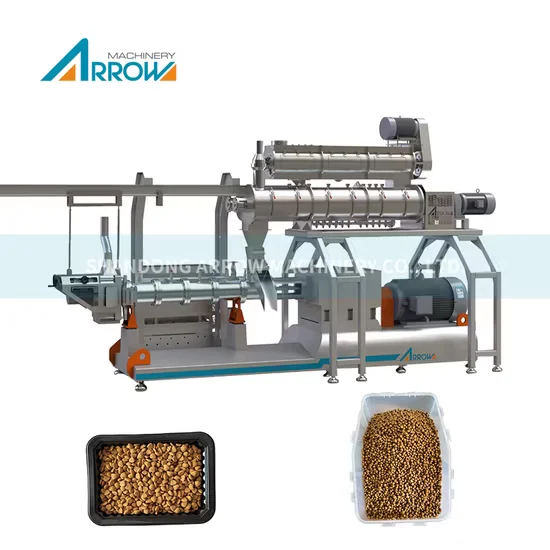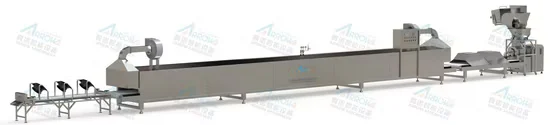
Many pet food plants hit a wall during expansion not because the new extruder is weak, but because it does not speak the same language as the old dryer. I once watched two different equipment suppliers point fingers at each other while moisture levels swung wildly and the whole floor shut down. Nobody had checked if the new airflow matched the old cutter speed. That exact headache is why successful integrating new machinery pet food line projects focus on balance, not just brute force.
The core answer is simple: you must match the duty points of every machine in the chain. A high-output twin-screw extruder will only create a bottleneck if the downstream cross-flow circulation dryer cannot handle the increased moisture load. True integration requires aligning physical interfaces, control logic, and thermal profiles so that the new module acts as a natural extension of your existing process rather than a disruptive foreign body.
Assessing Current Capacity and Physical Constraints
Before selecting any new hardware, you need an honest audit of what is already on your floor. Start by mapping the actual throughput of your current mixers, extruders, and dryers under real production conditions, not just their nameplate ratings. Identify where the line currently chokes. Is it the grinding capacity? The drying time? Or perhaps the coating uniformity? Understanding these bottlenecks prevents you from oversizing one section while leaving another critically underpowered.
Physical space is equally critical. Retrofitting a plant often means working within tight footprints. You must measure clearances for maintenance access, overhead crane limits, and floor load capacities. If you are adding a new vacuum coating machine, ensure there is enough room for the drum to rotate safely and for operators to access the spray nozzles. Ignoring these spatial constraints can lead to costly structural modifications or unsafe operating conditions later.
Consider the utility infrastructure as well. New equipment may demand different power frequencies, voltage levels, or steam pressures. If your existing boiler cannot support the increased steam demand of a larger preconditioner, the entire upgrade fails. Documenting these limits early allows engineers to design solutions that fit your specific plant realities, avoiding the shock of discovering incompatible utilities during installation.
Balancing Throughput and Process Parameters
Capacity matching is dynamic, not static. When you introduce a new twin-screw extruder, its output rate must align with the input capacity of your dryer and the output capacity of your coating system. If the extruder pushes 2,000 kg/h but the dryer only handles 1,500 kg/h effectively, you will face product backup, inconsistent drying, and potential quality rejection. This imbalance is a common failure point in poorly planned upgrades.
Process parameters must also harmonize. For instance, the shear and temperature profile generated by the extruder determines the starch gelatinization and pellet structure. If the new extruder produces pellets with higher initial moisture or different density, the existing dryer settings may no longer be optimal. You might need to adjust air velocity, temperature zones, or residence time to achieve the target final moisture content without damaging the kibble structure.
For aquatic feed, this balance is even more delicate. Floating or sinking behavior depends on the interplay between formulation, extrusion pressure, and drying kinetics. Simply changing the die plate is insufficient if the drying stage collapses the porous structure needed for buoyancy. Ensuring that the new extrusion system communicates effectively with the drying stage is vital for maintaining product consistency across batches.
Engineering Physical and Control Interfaces
Physical integration involves more than just bolting machines together. It requires careful design of material transfer points. Chutes, elevators, and conveyors must maintain product integrity while preventing cross-contamination. Sharp turns or excessive drop heights can break fragile treats or create dust hazards. Smooth transitions between the new equipment and existing lines reduce waste and maintain hygiene standards.
Control system integration is where many projects stumble. Modern lines rely on synchronized start-stop sequences and real-time data monitoring. If the new machine operates on a different communication protocol, it may not talk to your central PLC. This lack of connectivity forces operators to manage each unit manually, increasing the risk of human error and reducing overall efficiency. Standardizing control interfaces ensures that the entire line responds as a single cohesive unit.
Automation logic should account for upstream and downstream buffers. If the mixer stops, the extruder should slow down or stop automatically to prevent empty running or blockages. Similarly, if the dryer reaches high temperature limits, the extruder feed should adjust to prevent overheating. These interlocks protect both the equipment and the product, ensuring stable operation even during minor fluctuations in raw material quality.
Phased Installation and Commissioning Strategy
Minimizing production downtime is a top priority for any factory manager. A phased installation approach allows you to keep part of the line running while new modules are installed and tested. This strategy requires detailed planning to isolate work zones and manage material flow around construction areas. It also provides opportunities to train operators on the new equipment without halting entire production schedules.
Commissioning should begin with dry runs to verify mechanical alignment and control logic. Once mechanical checks are complete, proceed with water trials to test fluid systems and cleaning protocols. Finally, conduct live production trials using your actual formulations. This step is crucial for validating that the new equipment performs as expected under real-world conditions. Adjustments to screw configurations, die plates, or drying parameters are often necessary during this phase.
Support during this phase is critical. Having engineering teams available to troubleshoot issues in real-time reduces the learning curve for your operators. They can help fine-tune settings to achieve the desired product characteristics, such as kibble size, texture, and moisture content. This hands-on support ensures that the transition from old to new processes is smooth and that your team gains confidence in the upgraded system.
Frequently Asked Questions
Q: Can Arrow supply a single machine to replace a specific module in my existing pet food line?
A: Yes, we provide individual processing machines such as extruders, dryers, and coaters that can integrate with existing lines. Our engineers assess your current setup to ensure compatibility in capacity and interface. We focus on matching the new unit’s specifications with your upstream and downstream equipment to avoid bottlenecks.
Q: How do you ensure the new extruder matches the capacity of my current dryer and coating machine?
A: We start by reviewing your current production data and equipment specifications. Our team calculates the duty points for each stage to ensure balanced throughput. If gaps exist, we recommend adjustments or additional modules to harmonize the line. This process prevents overloading any single section and maintains consistent product quality.
Q: What information do you need to design a retrofit layout for my existing factory space?
A: Please provide your current floor plan, equipment list, and utility details including power and steam availability. We also need your target capacity and product specifications. This data allows us to design a layout that maximizes space efficiency while respecting physical constraints and maintenance access requirements for safe operation.
Q: Will the integration process require a long production shutdown?
A: We aim to minimize downtime through phased installation and pre-commissioning checks. Most mechanical work can be done while other parts of the line operate. Final commissioning and testing require short, planned stops. Our team works closely with yours to schedule these activities during low-production periods to reduce impact on your overall output.
Send your existing equipment list, factory layout, and target capacity to receive a custom integration plan. We can also discuss raw material trials to validate performance before finalizing your upgrade strategy. Request technical specifications and a preliminary layout to see how new modules can fit into your current workflow.