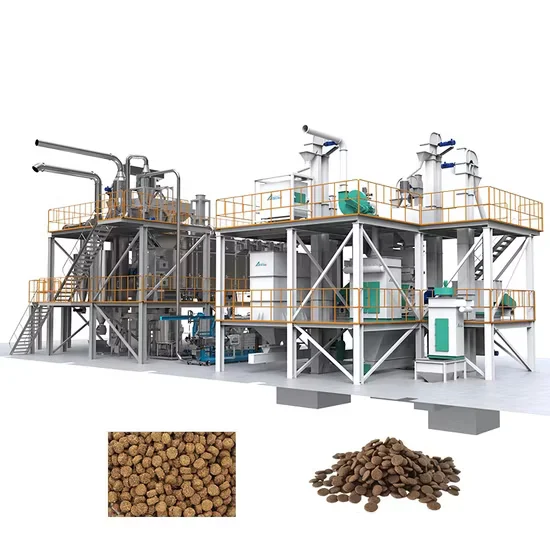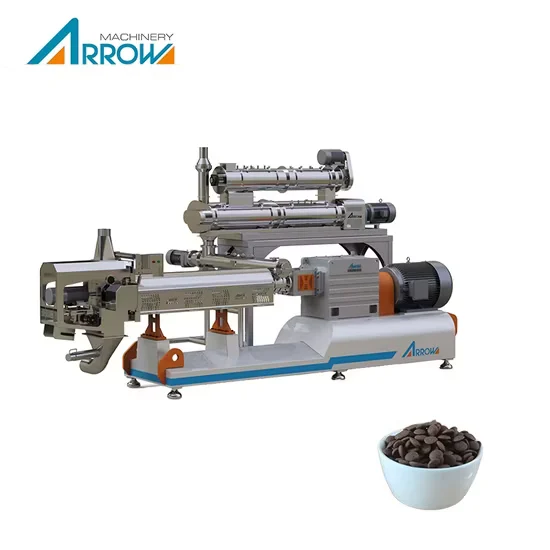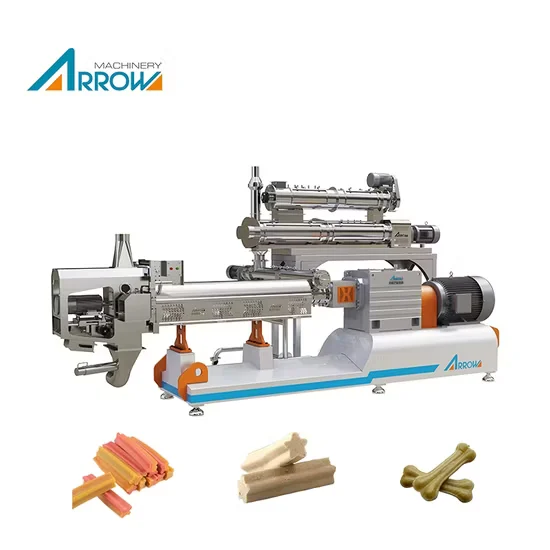
Extrusion defines the shape of your pet food, but the drying system determines its shelf life, texture, and your facility’s energy bill. I recall a trial run for a high-meat kibble formula where the twin-screw extruder produced perfect shapes, yet a basic drying room sealed the surface while the core remained wet, leading to spoilage. This mismatch between extrusion output and drying capacity highlights why selecting the right equipment is critical.
There is no single “best” dryer for every application. The optimal choice depends on matching the machine’s airflow dynamics and moisture removal rates to your specific product density, particle size, and initial moisture content. A well-selected system balances throughput with energy efficiency, ensuring consistent quality without inflating long-term operational costs.
Understanding Airflow Dynamics in Cross-Flow, External Air, and GDH Dryers
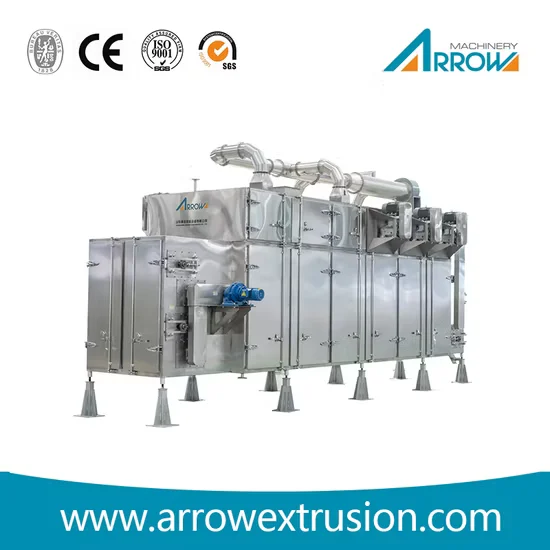
To make an informed decision in your pet food dryer buying guide research, you must first understand how each system manages heat and humidity. The Cross-Flow Circulation Dryer operates by forcing heated air horizontally through a moving bed of product. This design ensures that air penetrates the entire depth of the material layer, which is essential for uniform moisture removal. It is particularly effective for products with consistent particle sizes, as the airflow path remains stable across the conveyor width.
In contrast, the External Air Circulation Dryer utilizes a different mechanism for moisture control. It focuses on efficient exhaust and heat recovery, cycling air to maintain temperature stability while removing humid air from the chamber. This approach can be advantageous when dealing with products that release moisture rapidly during the initial drying phase. The system’s ability to manage ambient conditions helps prevent case hardening, a common issue where the exterior dries too quickly, trapping moisture inside.
The GDH Series Dryer represents a more complex configuration, often incorporating multi-stage drying zones. By segmenting the drying process, this series allows for precise control over temperature and airflow at different stages of moisture reduction. This staged approach improves thermal efficiency, as the initial high-moisture phase can be handled with higher energy input, while the final drying phase uses lower temperatures to preserve product integrity. Understanding these mechanical differences is the first step in narrowing down your options.
Matching Dryer Technology to Product Characteristics
Not all pet foods dry the same way. The physical properties of your product—such as bulk density, porosity, and initial moisture content—dictate which dryer type will perform best. For standard dry pet kibble, which typically has a moderate density and uniform shape, a Cross-Flow Circulation Dryer often provides the consistency needed for large-volume production. The horizontal airflow ensures that each piece receives similar exposure, reducing the risk of uneven drying that can lead to mold or brittle textures.
However, when producing specialized treats or baked pet food, the requirements change. These products may have irregular shapes or higher sugar and fat contents, making them more sensitive to heat. In such cases, the gentle and controlled environment of an External Air Circulation Dryer or a specifically configured GDH Series unit may be preferable. The ability to adjust airflow velocity and temperature profiles helps protect the structural integrity of delicate snacks while still achieving the target moisture level.
It is also crucial to consider the upstream extrusion process. If you are using a twin-screw extruder for high-meat formulations, the resulting pellets may have higher initial moisture and different starch gelatinization levels. This requires a drying system that can handle a heavier moisture load without compromising throughput. Conversely, cold extrusion products, which rely on forming rather than expansion, may have different density characteristics that affect how air moves through the product bed.
Evaluating Energy Efficiency and Operational Costs
Energy consumption is a major component of the total cost of ownership for any processing line. When reviewing a pet food dryer buying guide, look beyond the nameplate capacity to understand real-world efficiency. Cross-Flow Circulation Dryers are known for their straightforward design, which can translate to lower maintenance costs and predictable energy use. However, their efficiency largely depends on the insulation quality and the effectiveness of the heat source integration.
The GDH Series Dryer often incorporates features designed to maximize thermal efficiency, such as heat recovery loops and optimized airflow paths. By recirculating warm air and minimizing heat loss, these systems can reduce the amount of fuel or electricity required per ton of product. This is particularly important for facilities operating in regions with high energy costs or strict environmental regulations. While the initial investment may be higher, the long-term savings in utility bills can offset the upfront expense.
External Air Circulation Dryers offer a middle ground, with flexibility in how they manage exhaust and intake air. Their ability to adapt to changing ambient conditions can help maintain consistent performance without excessive energy spikes. When calculating ROI, consider not just the machine’s power rating, but also how well it integrates with your existing utilities. A dryer that matches your available steam pressure or electrical capacity will operate more efficiently than one that requires significant infrastructure upgrades.
Integration, Footprint, and Maintenance Considerations
Space constraints are a reality for many factories, whether you are building a new facility or upgrading an existing line. The footprint of your drying system must align with your available floor space while allowing for proper maintenance access. Cross-Flow Circulation Dryers typically have a linear design, which can be easier to integrate into long, straight production lines. They require clear access to the sides for belt tracking adjustments and screen cleaning.
Maintenance requirements vary by type. Systems with complex internal baffles or multi-stage zones, like some GDH Series models, may require more frequent inspection to ensure airflow channels remain clear of dust and debris. Regular cleaning is essential to prevent cross-contamination and maintain hygiene standards, especially when switching between different formulas. Look for designs that facilitate easy access to internal components, such as removable panels or hinged doors.
Integration with upstream and downstream equipment is equally important. The dryer must match the capacity of your extruder and cooler to avoid bottlenecks. If the dryer cannot keep up with the extruder’s output, you will need to slow down the entire line, reducing overall productivity. Conversely, an oversized dryer may cycle inefficiently. Working with a supplier who offers process consultation can help you balance these duty points, ensuring that each module in your line operates at its optimal capacity.
Frequently Asked Questions
Q: Which dryer is best for large-volume dry pet kibble production?
A: For high-volume standard kibble, a Cross-Flow Circulation Dryer is often the preferred choice due to its ability to handle consistent particle sizes with uniform airflow. It provides reliable throughput and steady moisture removal, which is essential for maintaining product quality at scale. However, the final decision should depend on your specific capacity requirements and energy budget.
Q: How does a cross-flow dryer ensure even moisture removal for different kibble sizes?
A: Cross-flow dryers force air horizontally through the product bed, ensuring penetration across the entire layer. To handle varied sizes, it is crucial to maintain a consistent bed depth and airflow velocity. Some systems allow for adjustable air distribution plates, which can help compensate for minor variations in particle size and prevent channeling or uneven drying.
Q: What is the main energy-saving advantage of the GDH series dryer?
A: The GDH Series often features multi-stage drying zones and heat recovery mechanisms that improve thermal efficiency. By optimizing airflow and reusing waste heat, these systems can reduce the total energy required per kilogram of dried product. This makes them a strong candidate for facilities looking to lower long-term operational costs and improve sustainability.
Q: Can these dryers be integrated into an existing extrusion line?
A: Yes, standalone dryers can be integrated into existing lines, provided the capacity and interface points match. It is important to evaluate the connection with your current extruder and cooler to ensure smooth material flow. Suppliers can assist with layout planning and technical specifications to ensure compatibility and minimize disruption during installation.
Send your product formula, capacity requirements, and factory layout to receive a customized technical specification and equipment configuration plan from our engineering team. We can also discuss raw material trials to validate the drying performance for your specific formulation before finalizing your order.