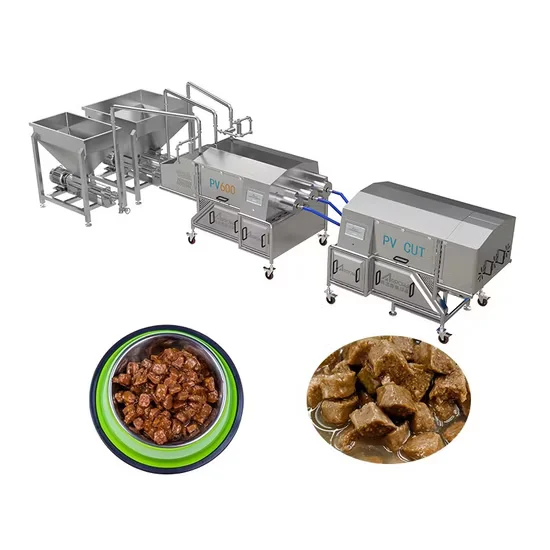
Many buyers discover capacity shortfalls or missing configurations only after pet food machines arrive at their facility. This costly delay often stems from confusing a simple pre-shipment inspection with a comprehensive factory acceptance test. Understanding the distinction is critical for protecting your investment and ensuring operational readiness.
A pre-shipment inspection (PSI) focuses on static verification of appearance, packaging, and basic component lists. In contrast, a factory acceptance test (FAT) involves dynamic, load-bearing trials to validate process performance, throughput, and automation logic. Combining both ensures that mechanical integrity and process capability are confirmed before the container doors close.
Defining the Scope: Static Checks vs. Dynamic Validation
The primary difference between a pre-shipment inspection pet food machines procedure and a FAT lies in the state of the equipment during evaluation. PSI is essentially a visual and documentary audit. It confirms that the hardware matches the commercial invoice and technical agreement. Inspectors check nameplates, motor brands, control panel layouts, and the completeness of spare parts kits. This step is vital for verifying that you received exactly what was ordered, but it does not prove the machine will produce viable product.
Factory acceptance testing moves beyond static checks to dynamic operation. For a complete dry pet food production line or a wet food meat chunks processing line, FAT requires running the system with actual or representative raw materials. This phase tests the interaction between upstream feeding, extrusion, drying, and coating stages. It reveals whether the twin-screw extruder can maintain stable pressure with high-meat formulations or if the dryer can achieve target moisture levels without overheating the kibble. Without this dynamic validation, buyers risk discovering integration flaws only after installation, leading to expensive retrofits and prolonged downtime.
What to Check During a Static Pre-Shipment Inspection
During a pre-shipment inspection pet food machines review, attention to detail prevents logistical and maintenance headaches later. Start by verifying the model numbers and serial numbers against the contract. For critical components like the barrel sections and screw elements of a Twin-Screw Extruder, request material certificates to confirm they meet specified corrosion and wear-resistance standards. Visual inspection should also cover welding quality, surface finish, and the absence of transport damage.
Packaging and preservation are equally important for international shipments. Ensure that sensitive electrical components are sealed against moisture and that machined surfaces are coated with anti-corrosion agents. Check that the export packing includes adequate bracing to prevent shifting during ocean freight. Verify the inclusion of specialized tools, such as screw pullers or die cleaning kits, which are essential for routine maintenance but often overlooked in standard packing lists. A thorough PSI ensures that the physical assets align with the documented scope, reducing the risk of missing parts upon arrival.
Running the Dynamic Factory Acceptance Test
The FAT is where process engineering meets mechanical reality. This phase should simulate actual production conditions as closely as possible. For extrusion systems, this means running the machine with the customer’s specific formula or a agreed-upon surrogate material. The goal is to verify key performance indicators such as pellet shape consistency, bulk density, and expansion ratio. Observing the cutter head operation is crucial to ensure clean cuts without smearing, especially for small-diameter treats or aquatic feed.
Downstream equipment must also be tested in conjunction with the extruder. A Cross-Flow Circulation Dryer should be evaluated for its ability to remove moisture uniformly across the belt width. Uneven drying can lead to mold growth or texture issues in the final product. Similarly, if the line includes a Vacuum Coating Machine, the test must demonstrate consistent fat or flavor application without clumping. These dynamic tests reveal bottlenecks and control issues that static checks cannot detect. For instance, a mismatch between the extruder output and the dryer capacity may only become apparent during a sustained run.
Documenting Results and Resolving Punch List Items
A successful FAT does not mean perfection on the first try; it means transparent documentation of any deviations. Any issue identified during testing, from minor leaks to control logic errors, should be recorded in a punch list. This document serves as a binding agreement on what must be rectified before shipment. Clear responsibility assignments and deadlines for each item prevent disputes later. For example, if the PLC alarm system fails to trigger during a simulated blockage, this must be fixed and re-tested before the machine is cleared for dispatch.
Final documentation handover is part of the closure process. Ensure that updated manuals, electrical diagrams, and maintenance schedules reflect any changes made during commissioning. The signed FAT report, along with the resolved punch list, forms the basis for the release payment and shipping authorization. This rigorous approach protects both the buyer and the manufacturer by establishing a clear baseline for performance. It also facilitates smoother site installation, as the core process parameters have already been validated under controlled conditions.
Frequently Asked Questions
Q: Is a pre-shipment inspection enough for a complete pet food production line?
A: No, a pre-shipment inspection pet food machines check is insufficient for complex lines. While PSI verifies physical completeness and cosmetic condition, it does not validate process performance. Only a dynamic factory acceptance test can confirm that the extruder, dryer, and coater work together to meet capacity and quality targets. Skipping FAT risks discovering integration issues after installation.
Q: Who provides the raw materials for the factory acceptance test?
A: Typically, the buyer provides the specific recipe or raw materials to ensure the test reflects actual production conditions. If this is not feasible, the manufacturer and buyer agree on a surrogate formulation that mimics the rheological properties of the intended product. This ensures that screw configuration and thermal profiles are tested under relevant stress conditions.
Q: What happens if the equipment fails the FAT at the supplier’s factory?
A: If critical performance criteria are not met, the equipment is not shipped. The manufacturer must address the issues listed in the punch list, such as adjusting screw profiles or recalibrating sensors. A re-test is then scheduled to verify the corrections. This process ensures that only compliant and functional machinery leaves the factory, protecting the buyer from receiving defective assets.
Q: Can we hire a third-party agency to conduct the PSI or FAT?
A: Yes, many buyers engage independent inspection agencies to conduct PSI for objectivity. However, FAT requires deep process knowledge and access to proprietary testing protocols. While third parties can witness the test, the technical validation is often best performed jointly by the buyer’s engineers and the manufacturer’s technical team. This collaboration ensures that both commercial and technical requirements are fully addressed.
Send your product formula and target capacity to receive a detailed technical specification sheet including FAT standards and a preliminary plant layout. Discuss raw material trials to validate your process requirements before finalizing your equipment configuration.