

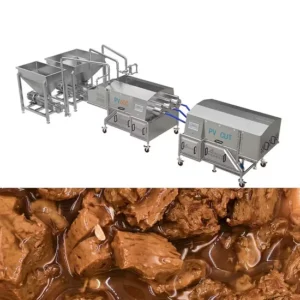


Process & Design
How Wet Pet Food Extrusion Equipment for Dogs and Cats works in your plant
Recipe-based selection and trial — Equipment configuration is determined by raw material formulation and target product characteristics rather than standard catalog assumptions.
Technical Specifications
| Parameter | Value |
|---|---|
| Product | PV Wet Pet Food Extruder for Dogs & Cats |
| Model | PV |
| Capacity | 500-6000kg/H; 400kg--3500kg/H |
| Power Source | Electric |
| Voltage | 220/380/Customized |
| Motor | Siemens |
| Material | 304 Stainless Steel |
| Feeder | Loss Weight Type/ Volumetric Feeder |
| Heating Temperature | Adjustable |
| Feeding Speed | Adjustable |
| Process | Thermal Processing |
| Automatic Grade | Automatic / Fully Automatic |
| Raw Material | Fish Powder, Born Meal, Corn, Soyabeen |
| Specification | Low-temperature baking pet food |
| Dimensions | 500.00cm 150.00cm 250.00cm |
| Weight | 3000.000kg |
| Warranty | 1 Year |
| After-sales Service | Online Instruction |
Application Suitability
| Product / Industry | Typical Use |
|---|---|
| Texturized Wet Food Processing Line | Producing meat chunks and sauce-based products for dogs and cats |
| Private-label Contract Processors | Manufacturing consistent wet food batches with high automation |
| Pet Wet Food Manufacturers | Processing fish powder and corn blends into animal feed |
Why Wet Pet Food Texture Fails During Scale-up
Precise thermal control prevents die clogging and ensures consistent meat chunk texture. Laboratory recipes often behave differently in full-scale production, particularly when high fresh-meat content is involved. A common failure point occurs when heavy meat paste clogs the die during extrusion, halting the line and requiring extensive cleanup. Inconsistent particle dimensions and poor finished-product consistency frequently result from mismatched screw configurations or inadequate thermal regulation. Without balanced equipment duty points across the line, moisture inconsistency can damage the product after extrusion. Coordinating multiple suppliers for drying, grinding, and extrusion modules often leads to integration gaps that compromise overall line efficiency.
Integration Within the Wet Food Production Workflow
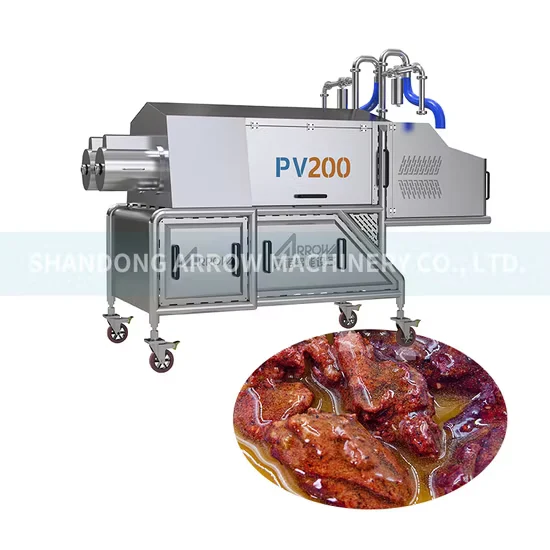
This PV series extruder serves as the core forming unit in a texturized wet food processing line. Upstream, it receives prepared raw materials such as fish powder, corn, and soybean meal from mixing systems. The machine applies thermal processing to shape and cook the mixture into defined meat chunks or textured forms. Downstream, the formed product moves to drying or cooling stages depending on the specific moisture target and final product specification. Proper integration ensures that the Wet Pet Food Extruder for Dogs and Cats operates in sync with preceding and succeeding modules to maintain continuous throughput.
Operational Challenges in High-Moisture Extrusion
Raw material variability, especially in fresh meat ratios, demands precise adjustment of feeding speed and heating temperature. High oil or moisture content can lead to slippage in the barrel if the screw configuration is not optimized for the specific formulation. Maintaining uniform particle shape and density requires stable pressure and temperature profiles throughout the extrusion zone. Frequent changeovers between different product shapes necessitate efficient cleaning protocols to prevent cross-contamination. Continuous operation stability relies on the reliability of drive components and the consistency of raw material feed rates.
Understanding Key Performance Drivers
The Siemens motor provides stable power delivery essential for maintaining consistent screw rotation under varying load conditions. Constructed from 304 stainless steel, the contact parts meet hygiene standards required for animal feed production and resist corrosion from moist ingredients. Adjustable heating temperature allows operators to fine-tune the degree of cooking and starch gelatinization, which directly influences product texture and digestibility. The choice between loss weight type and volumetric feeding methods offers flexibility in handling different raw material densities and flow characteristics. These features collectively enable the production of low-temperature baking pet food specifications with controlled quality attributes.
Hidden Costs of Incorrect Equipment Selection
Selecting an extruder without verifying capacity against actual raw material behavior can lead to persistent bottlenecks and unmet production targets. Inadequate thermal control may result in entire batches being rejected due to poor texture or incomplete cooking, increasing waste and raw material costs. Unplanned downtime caused by frequent die clogging or mechanical failures disrupts schedules and increases maintenance expenses. Expanding capacity later often requires replacing undersized units rather than simply adding modules, leading to higher capital expenditure. Poor integration with downstream drying or coating systems can compromise final product quality regardless of extrusion performance.
Why Source This Extrusion System From Arrow
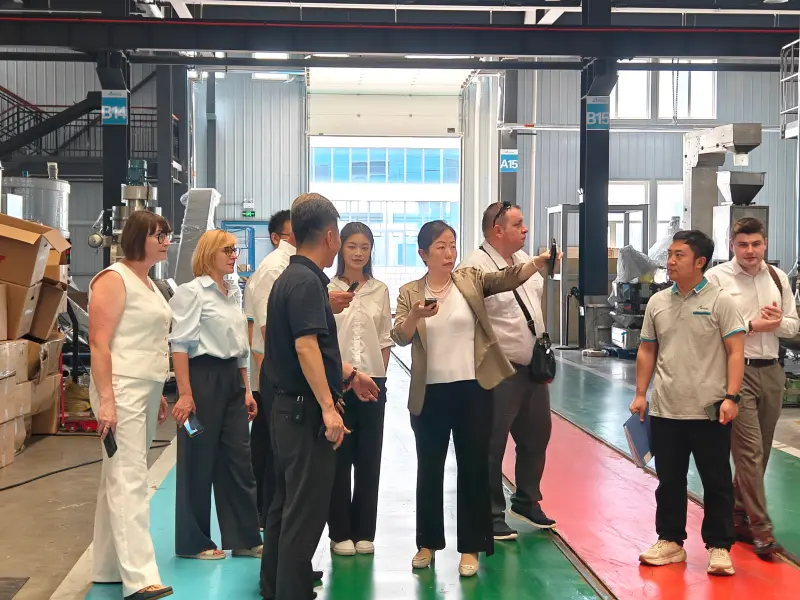
Shandong Arrow Machinery delivers production systems where equipment is specified around the customer’s specific process requirements rather than offering one-size-fits-all solutions. The company supports modular machinery purchases and integrated line projects, allowing buyers to start with standalone machines or complete factories. Application-based machine selection considers ingredients, product specifications, and nominal throughput to ensure the PV model matches your formulation needs. Raw-material trials and testing support help validate recipe behavior before finalizing equipment configuration, reducing scale-up risks. Export project coordination includes factory acceptance testing and overseas commissioning options to ensure smooth installation and startup. Ongoing process consultation and spare-parts support provide long-term operational security for your wet food production line.
Documentation & Delivery
- Detailed technical specifications sheet outlining PV model parameters and performance limits.
- Plant layout drawings customized to your existing or new facility dimensions and utility constraints.
- Comprehensive operation and maintenance manuals for daily use and troubleshooting guidance.
- Factory acceptance test records verifying machine performance prior to shipment.
- Export documentation including commercial invoices and packing lists per agreed Incoterms.
- Certificate files provided as per contract requirements and current regulatory standards.
Installation, Operation & Maintenance
- Ensure foundation and floor space accommodate the 500cm x 150cm footprint and 3000kg weight.
- Connect to 220V or 380V power supply as customized for your local utility infrastructure.
- Conduct initial trial runs with specific raw materials to calibrate heating and feeding settings.
- Perform daily cleaning of 304 stainless steel contact parts to maintain hygiene and prevent buildup.
- Replace wear parts such as die plates and screws based on usage intensity and inspection results.
- Adjust feeding speed and temperature profiles when switching between different wet food formulations.
Requesting a Configuration Quote
To receive an accurate proposal, specify the target product type, raw material formulation, and required output capacity in kg/h. Provide details on desired product shape, size, and moisture targets along with your factory dimensions and available voltage. Indicate your destination country and any specific certification requirements for import clearance. Our engineering team will prepare a preliminary configuration, discuss potential trial arrangements, and issue a formal quotation with clear commercial terms.
Frequently Asked Questions
Q: What is the actual production capacity for wet food meat chunks using this PV model?
A: The listed capacity ranges from 400kg/h to 6000kg/h depending on the source value verification. Actual throughput depends on raw material formulation, moisture content, and desired product texture. We recommend confirming the specific capacity range based on your unique recipe during the technical review phase.
Q: Can the machine handle high fresh meat content in the raw material formulation?
A: Yes, the system is designed for texturized wet food processing which often includes high moisture ingredients. However, precise screw configuration and temperature control are critical to prevent die clogging. We advise conducting raw material trials to optimize the process for your specific fresh meat ratio.
Q: Is the heating temperature and feeding speed adjustable for different product textures?
A: Both heating temperature and feeding speed are fully adjustable parameters on this automatic extruder. This flexibility allows you to fine-tune the cooking degree and product density. Adjustments help achieve consistent texture and quality across different wet food formulations and shapes.
Q: What are the voltage and power requirements for installation?
A: The machine operates on electric power with voltage options of 220V, 380V, or customized settings. It features a Siemens motor for stable performance. You must verify that your local utility infrastructure matches the selected voltage configuration before installation.
Q: Does the warranty cover the Siemens motor and other key electrical components?
A: The equipment comes with a 1-year warranty period. After-sales service includes online instruction for troubleshooting and maintenance. Specific coverage details for the Siemens motor and other components should be confirmed in the formal quotation and contract terms.
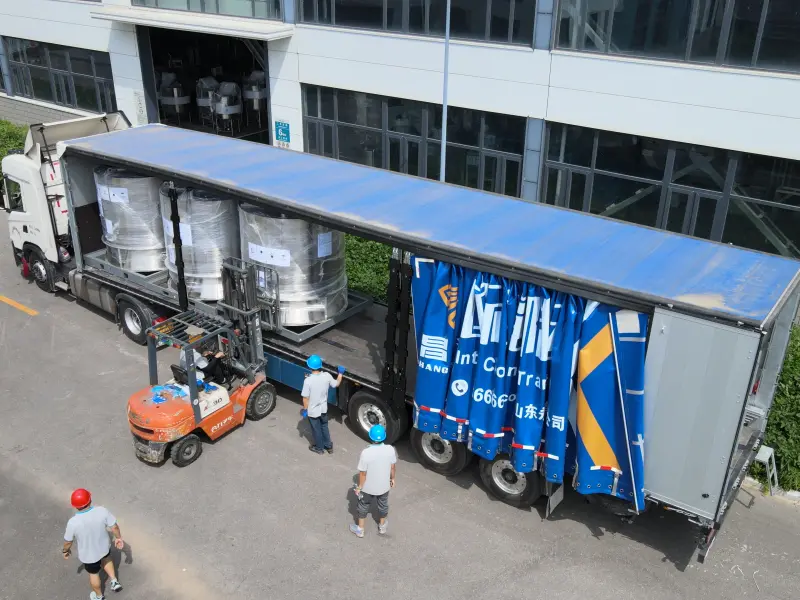
Shipping
Container sea freight or rail · spare parts by air
Delivery & Support
From factory acceptance to stable production
Every Shandong Arrow Machinery machine ships with full documentation, on-site commissioning support and a spare-parts channel tied to its serial number, so your line keeps running after start-up.
-
Shipping documents
Equipment specification, configuration list, drawings where applicable, operation manual, packing list, commercial invoice and export documents.
-
Testing & inspection
Factory test records, videos, inspection reports and material declarations, by product type and contract.
-
Installation & training
Installation, commissioning, operator training and maintenance guidance, with the scope set in your contract.
-
Spare parts
Screws, extrusion dies, gearboxes and wear parts, supplied against your machine's serial number or model.
Same Category
Related pet food machines
These machines and lines sit in the same process family, so you can build a complete line or add a single stage with them.

Full Automatic Dry Cold Press Dog Food Extrusion Equipment
View details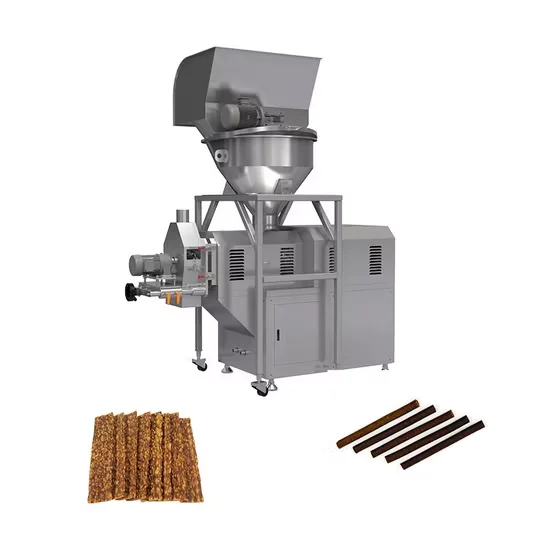
Dog Treat Meat Sticks Making Equipment for Pet Food
View details
Cold Press Dog Treat Equipment for Pet Food Factory
View details
Dog Treat Chews Production Line for Pet Food Industry
View details
Not sure this configuration fits your formula?
Tell us your target product, raw materials and output in kg/h. Our engineers confirm the process first, then recommend the extrusion and drying setup.
Applications
Pet products this machine is built for
This equipment is configured for the pet product types below. Open an application to see the full process route and matching machines.
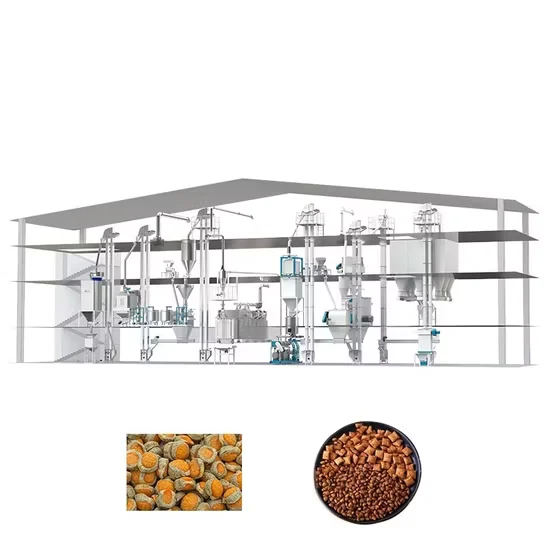
Engineering Notes
Selection guides & technical articles
Read how process engineers choose extrusion, drying and coating setups for pet food before they commit to a configuration.

Rodent Feed Line Guide for Hamster and Gerbil Food Production
Read article
Jerky vs Dry Pet Treat Equipment: A Guide for Canadian Makers
Read article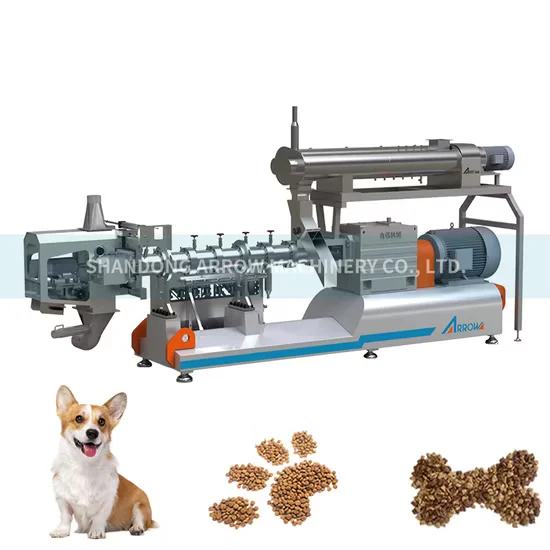
Dry Kibble Line Setup Guide for Pet Food Plants in Egypt
Read articleFAQ
Questions buyers ask about this machine
Short answers on trials, lead time, documents and spare parts from Shandong Arrow Machinery, a pet food machinery manufacturer in Jinan, China.
Can I test my formula before I order?
Yes. Where conditions allow, we arrange formula and process trials on our process test platform, and you can send your own raw material for testing. Agreed raw-material tests are completed before production or shipment.
What is the lead time?
The lead time is stated in your formal quotation, based on the confirmed model, configuration and scope of supply. Machines ship by container sea freight or rail, and spare parts can go by air.
Which documents come with the machine?
You receive the final equipment specification, configuration list, equipment drawings where applicable, operation manual, packing list, commercial invoice and export or shipping documents. Factory test records, videos, inspection reports and material declarations are provided according to product type and contract.
How do I get spare parts after commissioning?
Send us your machine's serial number or model and we match the right parts. We supply screws, extrusion dies, gearboxes and wear parts, along with process consultation and service.
More answers on our pet food machinery FAQ page.
Request a quote for Wet Pet Food Extrusion Equipment for Dogs and Cats
Share your target product and output. You receive a technical proposal with model, scope of supply and options.
- WhatsApp +86 137 9316 7756
- Email info@arrowextrusion.com
- No. 47 Chengbohu Road, Jibei Subdistrict, Jiyang District, Jinan, Shandong, China