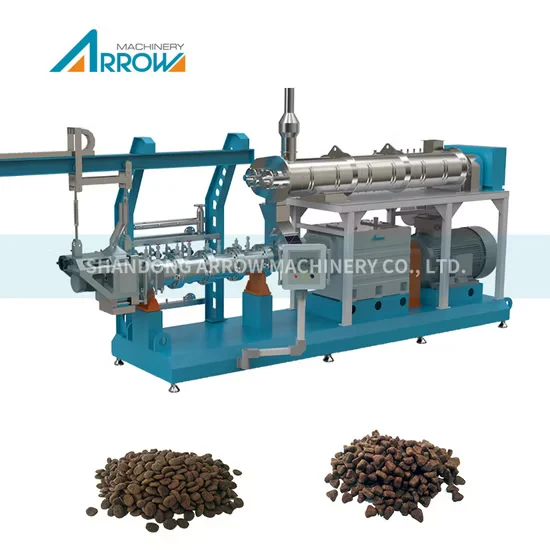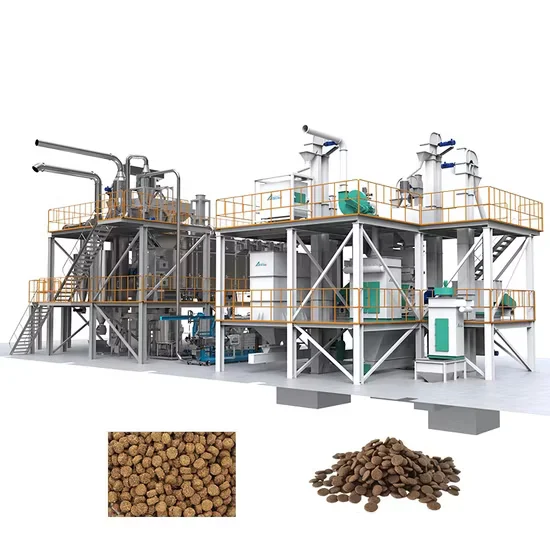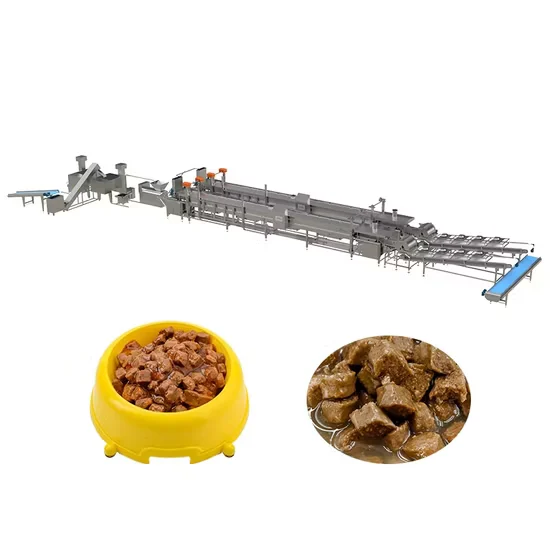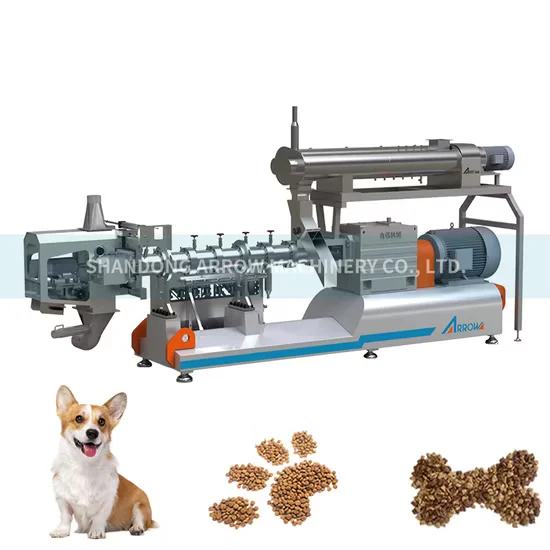
Egypt’s intense heat presents a unique challenge for pet food manufacturing, particularly when managing moisture content and energy efficiency during the drying phase. However, this climate also offers an opportunity to optimize thermal processes if the entire production line is configured with local environmental conditions in mind. The key to a successful dry kibble production line Egypt investors build lies not just in the extruder, but in balancing every module from grinding to coating to ensure consistent quality despite high ambient temperatures.
A well-designed facility must account for the specific behavior of raw materials under heat and pressure while ensuring downstream equipment can handle the output without bottlenecks. By focusing on integrated process engineering rather than isolated machine purchases, manufacturers can achieve stable throughput and product consistency from day one.
Raw Material Sourcing and Formulation Considerations
The first step in designing a processing plant is understanding the available ingredients in the region. In Egypt, formulations often rely on locally sourced meat meals, poultry by-products, and various grains or starches. These ingredients behave differently under shear and temperature compared to standard reference materials. High levels of fresh meat or specific plant proteins require precise control over moisture and temperature to achieve proper gelatinization and expansion.
Before finalizing equipment specifications, it is crucial to assess how these raw materials interact with the machinery. A formulation that works in a laboratory setting may behave unpredictably at industrial scale if the screw configuration does not match the ingredient profile. For instance, high-fat inputs or sticky doughs need specific feeding mechanisms and barrel designs to prevent blockages and ensure uniform mixing. Conducting raw material trials allows engineers to observe these behaviors firsthand and adjust the system design accordingly. This testing phase helps identify potential issues with texture, density, or shape before any metal is cut for the factory floor.
When selecting a system, flexibility is paramount. A twin-screw extruder offers superior handling of diverse recipes, including those with high moisture or fat content, due to its self-wiping action and precise temperature control zones. Unlike single-screw units, which rely more on friction, twin-screw systems allow for independent adjustment of speed and feed rate, making them ideal for manufacturers who plan to produce multiple product types or switch formulas frequently. This adaptability ensures that the line remains viable even as market demands or ingredient availability shift.
Extrusion and Forming Technology Selection
The heart of any dry kibble operation is the extrusion and forming stage. Here, the goal is to cook the starch and protein matrix while shaping it into the desired kibble size and texture. The choice between different screw configurations directly impacts the expansion ratio, bulk density, and structural integrity of the final product. For standard dry kibble, a high-temperature short-time process is typical, but specialized products like baked-style kibble or pillow treats may require lower temperature cold extrusion or specific forming machines.
A twin-screw extruder provides the necessary precision for these varied applications. Its modular barrel design allows engineers to insert or remove kneading and conveying elements to tailor the shear profile. This is particularly important when producing dense, sinking pellets versus light, floating kibble, although buoyancy is primarily determined by the recipe and drying process. The ability to fine-tune the mechanical energy input ensures that the product achieves the right level of cook without degrading sensitive nutrients or creating excessive fines.
For manufacturers interested in expanding their portfolio beyond traditional kibble, adding a baked pet food forming machine can open new market segments. These products often have a different texture and appearance, appealing to owners seeking premium or novel options. Integrating such specialized forming equipment requires careful coordination with the upstream mixing and downstream drying systems to maintain line balance. The versatility of modern extrusion systems means that a single line can be adapted to produce multiple shapes and textures, maximizing the return on investment for the facility.
Optimizing Drying and Cooling for Hot Climates
In Egypt, the ambient temperature significantly affects the efficiency of the drying and cooling stages. A common mistake in plant design is undersizing the dryer relative to the extruder output. I have seen projects where the twin-screw machine produced kibble faster than the dryer could remove moisture, resulting in soggy, uneven product that spoiled quickly. To avoid this, the drying capacity must be matched to the peak output of the extrusion system, with additional margin for safety.
Cross-flow circulation dryers are often preferred for their ability to provide uniform air distribution across the product bed. In hot climates, the intake air temperature is already high, which can reduce the driving force for moisture removal if not managed correctly. Using external air circulation systems or conditioning the intake air can help maintain consistent drying rates. Additionally, the design of the dryer belt and airflow paths must minimize product damage while ensuring thorough moisture extraction.
Cooling is equally critical. If kibble is packaged while still warm, residual heat can cause condensation inside the bag, leading to mold growth and reduced shelf life. In a hot environment, the cooling section must be efficient enough to bring the product down to near-ambient temperature before it reaches the packaging station. This may involve extended cooling conveyors or forced-air cooling tunnels. Properly balancing the drying and cooling phases ensures that the final moisture content is stable and within the target range, typically below 10% for dry kibble.
Coating and Post-Processing Integration
Once the kibble is dried and cooled, it often requires coating to enhance palatability and nutritional value. Fat and flavor coatings are applied using either vacuum coating machines or drum flavoring systems. Vacuum coating is particularly effective for high-fat applications, as it forces the liquid into the porous structure of the kibble, resulting in better retention and less surface grease. This method is ideal for premium products where high energy density is required without compromising texture.
For standard applications, single or double-drum flavoring machines provide a cost-effective solution for applying oils and powders. The choice between these systems depends on the desired coating level and the type of flavorant used. It is essential to integrate these coating systems smoothly with the upstream and downstream equipment. Mismatched capacities can lead to bottlenecks or uneven coating distribution. Automated controls help synchronize the flow of product through the coater, ensuring consistent application rates.
When planning the layout, consider the space required for these post-processing modules and their connection to the packaging line. Elevators, conveyors, and storage bins must be sized to handle the full throughput of the line. Integrating all these components into a cohesive system requires detailed engineering to ensure that material flows smoothly from one stage to the next without accumulation or starvation.
Plant Layout, Utilities, and Local Compliance
Designing a factory in Egypt requires careful attention to local utility constraints and regulatory requirements. Power frequency, voltage stability, and the availability of fuel sources such as natural gas or electricity will influence the choice of motors and heating systems. A customized layout based on the actual factory dimensions and utility access points can save significant time and cost during installation. It is important to map out the flow of raw materials, finished goods, and personnel to optimize efficiency and safety.
Equipment certification and documentation are also vital for smooth import and commissioning. Ensuring that all machinery meets relevant international and local standards facilitates customs clearance and future inspections. Working with a supplier who provides comprehensive technical support, including layout drawings, installation guidance, and training, simplifies the project execution. Contractual clarity on the scope of overseas commissioning and spare parts supply further reduces risk for the investor.
Frequently Asked Questions
Q: What are the key utility requirements for setting up a dry kibble line in Egypt?
A: The primary utilities include stable electrical power for motors and controls, a reliable heat source for drying (such as natural gas, steam, or electric heaters), and compressed air for pneumatic systems. Water is needed for preconditioning and cleaning. It is essential to verify the local voltage and frequency compatibility with the equipment motors and to ensure sufficient capacity for the dryer’s thermal load, especially given the high ambient temperatures.
Q: How does the hot climate in Egypt affect the drying and cooling process of pet food?
A: High ambient temperatures can reduce the efficiency of air-cooled systems and make it harder to achieve low moisture content if the intake air is already saturated or hot. This requires careful sizing of the dryer and potentially using conditioned air or heat recovery systems. Cooling must be thorough to prevent condensation in packaging, which may necessitate longer cooling tunnels or chilled air systems to bring the product temperature down effectively before bagging.
Q: Can the extrusion line handle high levels of fresh meat or local by-products?
A: Yes, modern twin-screw extruders are designed to handle high-moisture and high-fat ingredients, including fresh meat and local by-products. However, the specific screw configuration and feeder design must be adjusted to accommodate these materials. Preconditioning is often used to stabilize the mixture before extrusion. Conducting trials with the actual raw materials is recommended to determine the optimal settings for texture and expansion.
Q: Do you provide overseas installation and commissioning services for pet food plants in Egypt?
A: Overseas engineering and commissioning options are available, with the precise team, schedule, and scope defined in the contract. This typically includes sending technicians to supervise installation, perform trial runs, and train local operators. The extent of support, including travel costs and duration, is agreed upon during the quotation phase to ensure clear expectations and smooth project execution.
Send your product formula, target capacity, and factory dimensions to receive a customized technical proposal and layout diagram for your dry kibble production line in Egypt. Discuss your specific raw material challenges and request information on trial opportunities to validate the process before investment.