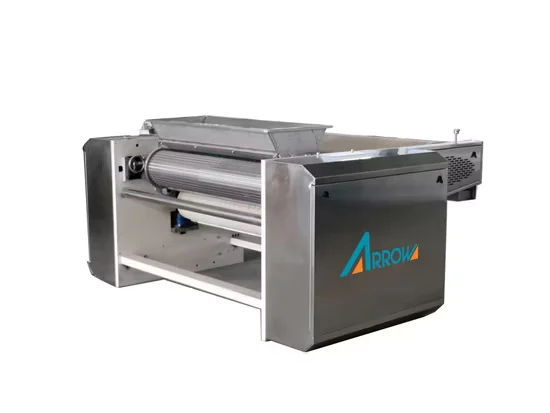
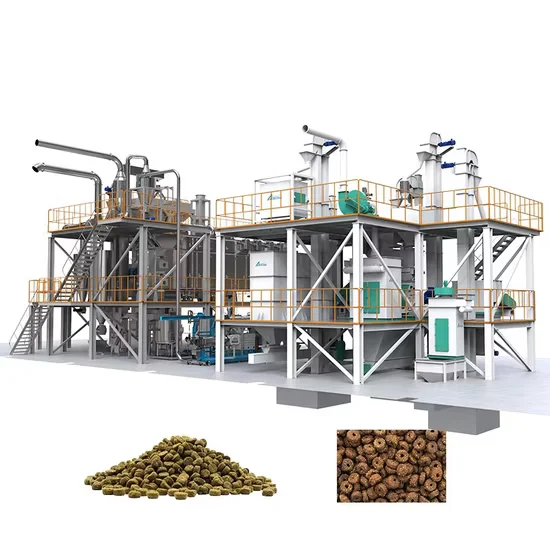
Starting a small kibble production facility in Nigeria often triggers the impulse to purchase the largest, most expensive turnkey line available. This approach frequently leads to operational bottlenecks and wasted capital, especially when local power stability and factory footprint are not fully accounted for. The most effective strategy for new investors is not buying bigger, but buying smarter by focusing on modular core machines that match actual initial demand.
You do not need a massive industrial complex to produce high-quality dry dog food. By selecting the right combination of grinding, mixing, extrusion, drying, and coating equipment, you can establish a stable production flow that respects your budget and utility constraints. A well-balanced small scale pet food manufacturing setup allows for gradual expansion while maintaining consistent product quality from day one.
Raw Material Preparation: Grinding and Mixing Consistency
The foundation of any successful kibble recipe lies in the uniformity of the raw material blend. Before ingredients ever reach the extruder, they must be reduced to a consistent particle size and thoroughly mixed. Inconsistent grind sizes can lead to uneven cooking during extrusion, resulting in pellets that vary in density and texture. For a small kibble plant machines Nigeria configuration, starting with a reliable hammer mill or pulverizer ensures that meat meals, grains, and other dry ingredients are processed to the optimal mesh size for starch gelatinization.
Once ground, the ingredients require precise blending. A single-shaft or twin-shaft paddle mixer is typically sufficient for small to medium capacities. These mixers ensure that minor ingredients, such as vitamins, minerals, and premixes, are distributed evenly throughout the batch. If the mixture is not homogeneous, the final kibble may have spots of poor nutritional value or inconsistent color. Investing time in this stage prevents costly rework later in the line. The goal is to create a uniform powder that flows smoothly into the extruder feed hopper, preventing surges or starvation that can disrupt the entire process.
Twin-Screw Extrusion: The Heart of Kibble Formation
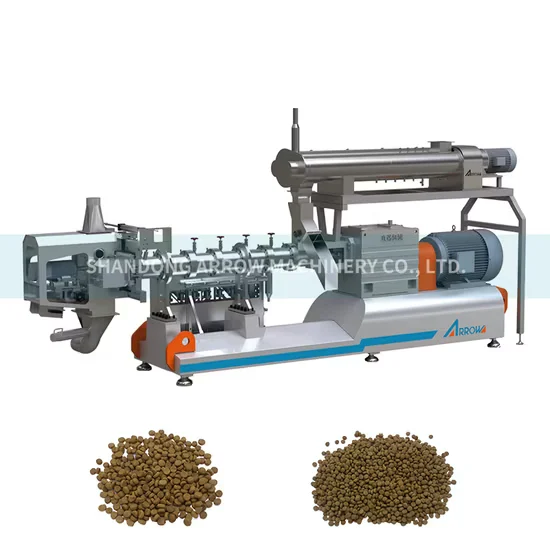
Extrusion is where the magic happens, transforming raw powder into digestible, shaped kibble. For formulations containing fresh meat, high fat, or complex protein sources, a twin-screw extruder is superior to single-screw alternatives. The intermeshing screws provide better mixing, higher shear control, and more precise temperature management. This is critical for achieving the desired level of starch gelatinization, which directly impacts the digestibility and structural integrity of the final product.
When selecting a pet food extruder for your Nigerian facility, consider the screw configuration carefully. Different ratios of conveying, kneading, and shearing elements allow you to adjust the residence time and mechanical energy input. This flexibility is vital if you plan to produce multiple recipes, such as standard maintenance diets and high-performance puppy formulas. The twin-screw design also handles high-moisture ingredients better, reducing the risk of blockages. It is not just about pushing material through a die; it is about cooking the starch and protein matrix uniformly to ensure the kibble expands correctly upon exiting the die plate.
Drying Systems: Balancing Moisture for Shelf Stability
One of the most common mistakes in new plant designs is undersizing the drying section. I recall a project where a high-capacity extruder was paired with an inadequate dryer, leading to kibble with uneven moisture content. This inconsistency caused mold issues during storage and compromised the crunchiness consumers expect. For a small kibble plant machines Nigeria setup, a cross-flow circulation dryer is often the most efficient choice. It provides uniform air distribution across the product bed, ensuring that each pellet dries at the same rate.
Drying is not merely about removing water; it is about doing so without damaging the nutrient profile or causing excessive shrinkage. Temperature control is paramount. Too much heat can degrade heat-sensitive vitamins, while too little leaves the core moist, inviting spoilage. The dryer must be matched to the extruder’s output capacity. If the extruder produces 500 kg/h, the dryer must handle that volume while reducing moisture from approximately 25-30% down to 10-12%. Proper airflow design and retention time ensure that the kibble emerges crisp and stable, ready for the next stage.
Coating and Flavoring: Enhancing Palatability
The final step in creating appealing dog food is the application of fats and flavorings. After drying and cooling, the kibble surface is porous and ready to absorb coatings. For high-fat formulations, a vacuum coating machine is the preferred technology. It pulls air out of the kibble pores and forces liquid fat deep into the structure, allowing for higher inclusion levels without making the surface greasy. This results in a cleaner product that does not leave residue on packaging or hands.
For standard applications, a double-drum or single-drum flavoring machine may suffice. These systems tumble the kibble while spraying oil and palatability enhancers, ensuring an even coat. The choice between vacuum and drum coating depends on your target fat percentage and budget. However, neglecting this stage or using inefficient equipment can lead to uneven flavor distribution, causing pets to reject certain pieces. A well-designed coating system ensures that every bite tastes consistent, which is crucial for brand loyalty in competitive markets.
Layout and Utility Considerations for Nigerian Plants
Designing a factory in Nigeria requires careful attention to local utilities and space constraints. Power fluctuations can damage sensitive electronics, so investing in stable voltage regulators or backup generators is essential for continuous operation. When planning your layout, consider the flow of materials from raw material intake to finished product storage. A compact, linear layout minimizes conveyor length and reduces the risk of product degradation during transport.
Modular equipment selection offers significant advantages here. Instead of a rigid, monolithic line, you can choose individual machines that fit your existing building dimensions. This approach allows for easier maintenance and future upgrades. For instance, you might start with a basic drying system and upgrade to a more advanced multi-stage dryer as production volumes increase. Ensuring that each machine matches the others in capacity prevents bottlenecks. A balanced line runs smoother, consumes less energy per ton, and requires less operator intervention.
Frequently Asked Questions
Q: What is the minimum capacity required to start a profitable small kibble plant?
A: Profitability depends more on market demand and operational efficiency than sheer volume. Many successful small-scale operations start with capacities between 200 to 500 kg/h. This range allows for manageable batch sizes, lower initial investment, and easier quality control. Focus on producing a high-quality, consistent product that meets local preferences rather than chasing maximum throughput immediately.
Q: How do I choose the right extruder for my specific dog food recipe?
A: The choice depends on your ingredient profile. If your formula includes high levels of fresh meat or fat, a twin-screw extruder is recommended for its superior mixing and handling capabilities. For simpler, starch-heavy recipes, other options may exist, but twin-screw offers greater flexibility for future product development. Always conduct trials with your specific formulation to determine the optimal screw configuration and processing parameters.
Q: Can I buy the machines separately instead of a complete production line?
A: Yes, you can purchase individual machines such as grinders, mixers, or dryers to replace or expand existing equipment. This modular approach is ideal for phased investments or retrofitting older plants. However, ensure that the new equipment is compatible with your current systems in terms of capacity and control interfaces. Engineering support can help verify these integration points before purchase.
Q: What are the power and space requirements for a small-scale kibble setup?
A: Requirements vary by machine model and capacity. Generally, a small line needs a stable three-phase power supply and adequate floor space for material flow and maintenance access. Provide detailed factory dimensions and utility specifications when requesting a quote. This allows for a customized layout that maximizes efficiency within your available footprint, ensuring safe and ergonomic operation for your team.
Send your product formula, expected capacity, and factory dimensions to receive a customized equipment configuration and workshop layout. Discuss your raw material specifics to arrange appropriate testing and ensure the proposed solution matches your production goals.