Many startup pet food brands mistakenly equate the patchwork approach of a small workshop with the integrated planning required for a commercial factory. This confusion often leads to severe production bottlenecks and inconsistent product quality as demand grows. I still remember a startup brand in Egypt that tried to save money by piecing together mismatched extruders and dryers from different suppliers. When we finally got called in to troubleshoot, the front-end extruder was constantly choking on high fresh-meat recipes, while the dryer sat completely idle because the capacities were totally out of sync.
The core difference lies in process balance and scalability. Small workshops prioritize low initial investment and flexibility using standalone machines, accepting manual intervention and potential batch variability. In contrast, a startup brand requires a standardized pet food extrusion lines small workshop setup that ensures repeatability, regulatory compliance, and the ability to scale output without compromising texture or nutritional integrity.
From Workshop Patchwork to Integrated Production Logic
The transition from a hobbyist kitchen to a commercial facility is not just about buying bigger machines; it is about understanding system dynamics. In a small workshop, operators often adjust parameters on the fly, compensating for uneven mixing or drying with manual labor. This works for tiny batches but fails when consistency becomes a brand promise.
For a startup, the focus shifts to eliminating variables. A balanced line ensures that the output of the mixer matches the input capacity of the extruder, which in turn aligns with the drying throughput. If one section lags, the entire line suffers. This systemic view prevents the common pitfall where a powerful extruder produces more kibble than the dryer can handle, leading to moisture retention and spoilage risks.
When evaluating pet food extrusion lines small workshop configurations, investors must look beyond the headline capacity of the main extruder. The auxiliary systems—grinding, mixing, and coating—must be sized to support the peak output of the forming stage. Without this harmony, you are not building a factory; you are assembling a collection of bottlenecks.
Equipment Strategy for Small Workshops: Flexibility First
Small workshops typically operate with limited floor space and tighter budgets. Here, the goal is to produce small batches of diverse products, such as specialty treats or niche small-animal feeds, without excessive changeover time. The equipment selection reflects this need for agility rather than maximum throughput.
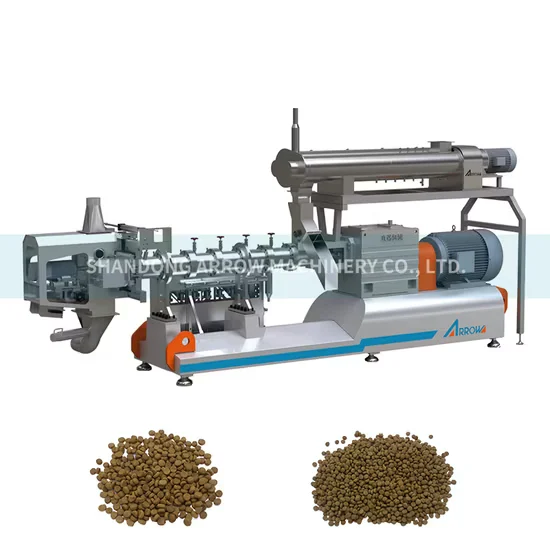
A standalone Twin-Screw Extruder is often the centerpiece, chosen for its ability to handle varied formulations, including those with higher fresh meat content or complex starches. Unlike single-screw options, twin-screw systems provide better mixing and shear control, which is critical when recipes change frequently. Pairing this with a basic Cross-Flow Circulation Dryer allows for effective moisture removal without the complexity of large industrial tunnels.
For flavoring, a Single-Drum Flavoring Machine offers a cost-effective solution for surface coating. It is suitable for dry powders and oils applied after drying. While it may not achieve the high uptake rates of vacuum systems, it meets the needs of small-batch production where precision is less critical than versatility. This setup allows entrepreneurs to test market response with minimal capital risk.
Building a Startup Brand: Consistency and Compliance
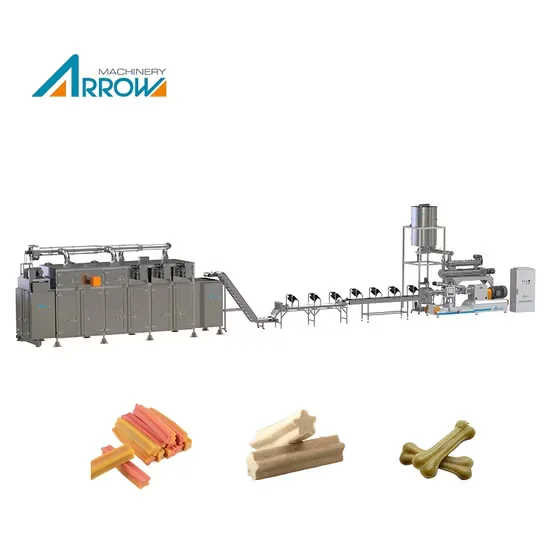
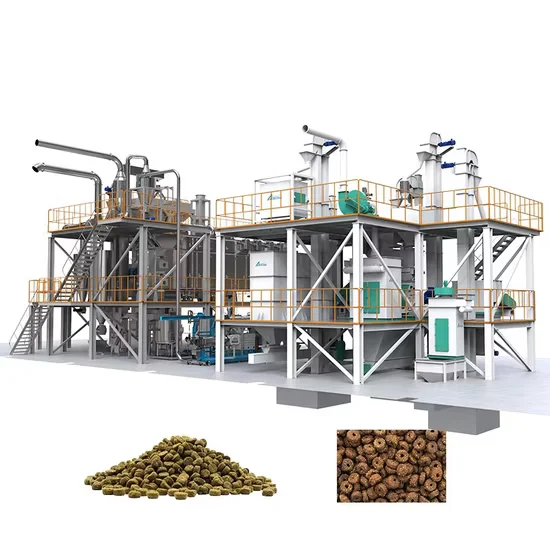
As a brand moves from testing to commercial distribution, the priority shifts to repeatability. Retailers and consumers expect every bag to taste and look the same. This requires a shift from manual adjustments to automated control. A complete Dry Pet Food Production Line integrates every step, from raw material handling to final packaging prep, ensuring that process parameters are locked in and recorded.
Automation plays a key role here. Twin-Shaft Paddle Mixers ensure homogeneous blending of micro-ingredients and vitamins, which is difficult to achieve manually. Consistent mixing directly impacts the stability of the extrusion process. Furthermore, advanced drying systems like the GDH Series Dryer provide uniform heat distribution, preventing case hardening or uneven moisture levels that can lead to mold growth during storage.
For premium products, especially those with high fat inclusion or sensitive probiotics, a Vacuum Coating Machine becomes essential. It allows for even application of liquids at lower temperatures, preserving nutrient integrity and improving palatability. This level of technical sophistication supports claims of quality and helps meet stricter regulatory standards for commercial pet food manufacturing.
Matching Arrow Equipment to Your Growth Stage
Choosing the right configuration depends on your current volume and future ambitions. For a small workshop focusing on artisanal treats or small-animal feeds like bird or rodent food, a modular approach works best. Start with a reliable Twin-Screw Extruder and a compact drying unit. This allows you to refine your recipes and understand the behavior of your ingredients without overcommitting to infrastructure.
As demand stabilizes, upgrading to a full Dry Pet Food Production Line makes sense. This integrated system includes specialized mixing, precise extrusion, efficient drying, and advanced coating. It is designed for manufacturers who need to run multiple shifts with minimal downtime. The integration ensures that each machine communicates effectively with the next, reducing waste and energy consumption.
For brands entering the aquatic feed market, the requirements differ. Floating and sinking fish feed depend heavily on formulation and extrusion conditions, not just the die shape. A dedicated Aquatic Feed Production Line addresses these specific density and durability needs. Similarly, wet food lines require different thermal processing and sealing technologies. Understanding these distinctions helps avoid costly missteps in equipment selection.
Navigating the Transition: Knowing When to Upgrade
Recognizing the right time to upgrade is crucial. Signs include frequent downtime due to equipment mismatch, inability to meet delivery deadlines, or inconsistent product quality that leads to customer complaints. If your team spends more time troubleshooting than producing, it is time to consider a more integrated solution.
Upgrading does not always mean replacing everything. Many systems are designed with modularity in mind. You might start by adding a pre-conditioner to improve starch gelatinization or upgrading the dryer to increase throughput. Consulting with engineers who understand both the machinery and the process can help identify the most cost-effective expansion path.
Planning for future growth also involves site layout. Ensure your facility has enough space for additional modules, such as larger silos or extended cooling conveyors. Utilities like power, steam, and water must also be scalable. A well-planned layout reduces the disruption of future upgrades and keeps production running smoothly during transitions.
Frequently Asked Questions
Q: What is the minimum capacity required to justify a complete pet food extrusion line over standalone machines?
A: There is no fixed threshold, but generally, if you are producing over 500 kg per hour consistently, a complete line offers better efficiency. Standalone machines suit lower volumes or highly variable batch sizes. The decision depends more on your need for consistency and labor reduction than just volume. Evaluate your daily output targets and labor costs to determine the break-even point for automation.
Q: Can a small workshop extrusion setup be upgraded later to meet startup brand quality standards?
A: Yes, but with limitations. You can add upstream mixing or downstream coating units to existing extruders. However, if the core extruder lacks precise temperature or pressure control, it may not achieve the consistency required for premium brands. It is often more cost-effective to design a scalable line from the start, leaving interfaces for future modules rather than retrofitting incompatible equipment.
Q: How does vacuum coating differ from single-drum flavoring for a new pet food brand?
A: Single-drum flavoring applies coatings to the surface through tumbling, which is effective for dry powders and simple oil sprays. Vacuum coating uses negative pressure to draw liquids into the porous structure of the kibble. This allows for higher fat inclusion without greasiness and protects heat-sensitive ingredients. Choose vacuum coating for premium, high-fat, or functional diets where nutrient retention and palatability are critical.
Q: What factory space and utility requirements should a startup prepare for a turnkey dry pet food line?
A: Requirements vary by capacity, but you need sufficient height for vertical dryers and space for raw material storage and finished product handling. Utilities include stable three-phase power, steam or thermal oil for heating, and compressed air. Ensure your facility has adequate ventilation for dust control and drainage for cleaning. Providing detailed floor plans and utility specs to your equipment supplier early helps optimize the layout and avoid costly modifications.
Ready to move beyond trial-and-error? Send your product formula, target capacity, and factory dimensions to receive a customized layout and technical specification sheet. Whether you need a single machine or a full turnkey solution, our engineering team will help you build a production system that scales with your brand.