Many pet snack brands struggle with high rejection rates when launching cream-filled pillow treats. Leaking seams, uneven filling ratios, and inconsistent shell textures often stem from a disconnect between extrusion parameters and injection timing rather than equipment failure alone.
Successful mass production of a cream-filled pillow treat line depends on precise thermal control in the twin-screw extruder and synchronized integration with the injection system. It is not enough to buy individual machines; the entire process from mixing to coating must be balanced to ensure structural integrity and consistent quality.
Core Equipment Configuration for Pillow Treats
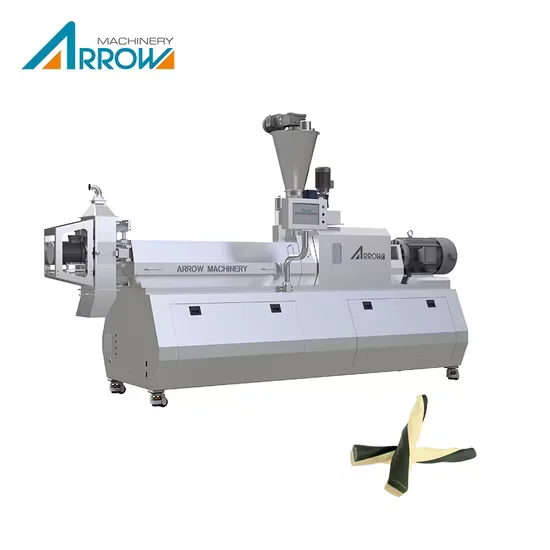
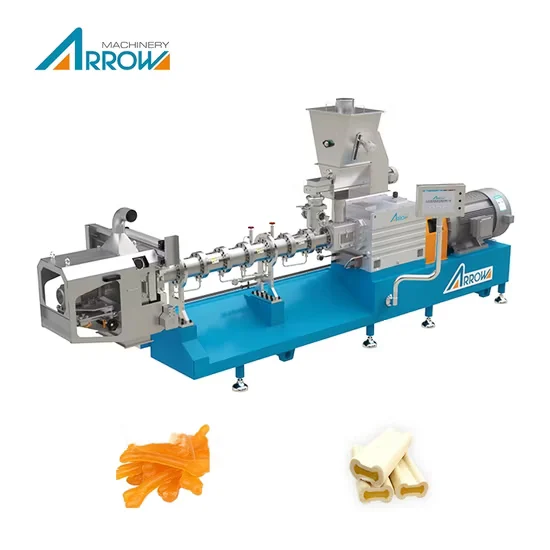
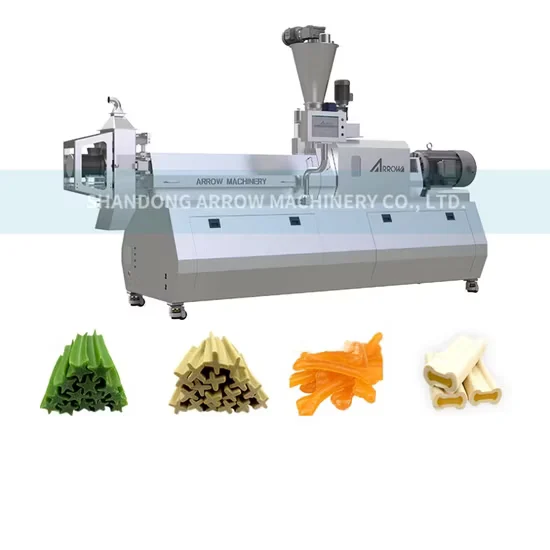
The heart of any pet pillow treats production line is the twin-screw extruder. Unlike single-screw units, twin-screw systems offer superior mixing and shear control, which is critical when handling formulations with fresh meat or high fat content. The intermeshing screws allow for precise temperature profiling across different barrel zones. This control determines the degree of starch gelatinization, directly affecting the shell’s expansion ratio and final crispness.
For pillow treats, the extruder must produce a dense yet pliable dough sheet or tube that can hold its shape after cutting. If the moisture content is too low, the shell becomes brittle and cracks during cooling. If it is too high, the structure collapses before drying. The forming die plays an equally vital role. It defines the pillow’s dimensions and wall thickness. A well-designed die ensures uniform flow distribution, preventing weak spots where the cream might leak out during the high-pressure injection phase.
The injection system must be perfectly synchronized with the extruder’s output speed. In my early days on the assembly floor, I saw how a mismatched pump stroke could blow out seams, ruining kilos of product. Modern cream filled pet snacks machine setups use servo-driven pumps that adjust flow rate in real-time based on the extruder’s throughput. This ensures every pillow receives the exact same amount of filling, maintaining cost efficiency and product consistency.
Step-by-Step Processing Flow from Extrusion to Coating
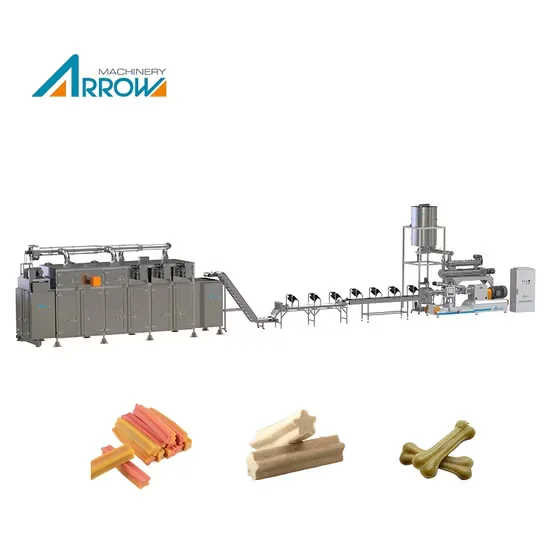
Once the pillows are formed and filled, they enter the drying stage. This is often the bottleneck in any pet treat processing equipment setup. Pillows have a higher moisture content due to the liquid core, requiring careful dehydration to prevent microbial growth while preserving texture. Cross-flow circulation dryers are commonly used because they provide uniform air distribution across multiple trays or belts. Rapid surface drying seals the shell, locking in the cream and preventing leakage during subsequent handling.
Temperature control during drying is delicate. Excessive heat can cause the cream filling to expand and burst the shell, while insufficient heat leaves the interior too moist, leading to spoilage. The drying profile must be gradual, allowing moisture to migrate from the center to the surface without damaging the structure. This step also sets the final crunchiness of the treat, a key sensory attribute for pets and their owners.
After drying, the treats may undergo coating. For high-fat or functional additives, vacuum coating machines are ideal. They force flavors or nutrients into the porous structure of the dried shell, ensuring even distribution without making the surface sticky. For surface-only seasoning, single or double-drum flavoring machines provide a gentle tumbling action that applies powder or oil evenly. Choosing the right coating method depends on the ingredient properties and the desired final product characteristics.
Plant Layout and Utility Requirements for New Factories
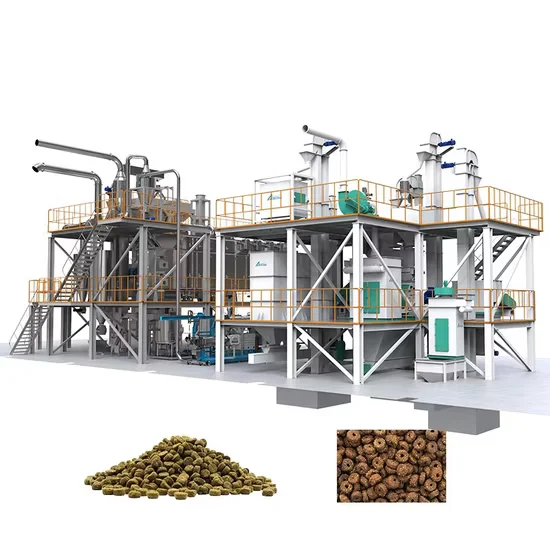
Planning a new facility for a cream-filled pillow treat line requires careful attention to workflow and utility placement. The layout should follow a linear or U-shaped flow to minimize material handling and cross-contamination risks. Raw material intake, grinding, and mixing areas should be separated from the extrusion and packaging zones. Adequate space must be left around the extruder and dryer for maintenance access and future upgrades.
Utilities such as steam, electricity, and compressed air must be sized correctly. The extruder’s heaters and the dryer’s fans consume significant power. Steam is often required for preconditioning raw materials to improve starch gelatinization before extrusion. Ensuring stable voltage and sufficient steam pressure is critical for consistent operation. Factory dimensions should also account for raw material storage and finished product warehousing, especially if production runs are large.
For existing factories looking to add a pillow treat line, space constraints may require compact equipment configurations. Modular designs allow for flexible installation, fitting into tighter footprints without sacrificing capacity. It is essential to map out the entire process chain, including conveyors and elevators, to ensure smooth material transfer between stages. Arrow’s engineering team can assist in reviewing plant layouts to optimize space utilization and workflow efficiency.
Quality Control and Trial Testing Before Mass Production
Before committing to full-scale production, trial testing is indispensable. Different raw material batches behave differently under extrusion conditions. Factors like protein source, fiber content, and moisture levels can alter dough rheology. Using a testing platform allows manufacturers to fine-tune screw speed, barrel temperature, and injection pressure. This process identifies potential issues such as leaking or deformation before they become costly problems in mass production.
Arrow supports customers with raw-material trials to validate formulations. Whether using high-meat blends or specific starch ratios, these tests help determine the optimal machine settings. The data gathered during trials informs the final equipment configuration, ensuring the twin-screw extruder for pillow treats is set up for success. This proactive approach reduces startup time and minimizes waste during the initial production runs.
Quality control protocols should include regular checks on pillow weight, filling ratio, and moisture content. Visual inspection for leaks and shape consistency is also crucial. Establishing these standards early helps maintain brand reputation and customer satisfaction. Documentation of trial results and process parameters provides a reference for future production runs and troubleshooting.
Frequently Asked Questions
Q: What is the minimum capacity required for a commercial cream-filled pillow treat line?
A: Capacity depends on market demand and operational hours. Small-scale lines may start at 100-200 kg/h, while industrial setups can exceed 1 ton/h. The key is matching the extruder, dryer, and coater capacities to avoid bottlenecks. Arrow offers modular solutions that can scale with your business needs, allowing for phased investments.
Q: Can the twin-screw extruder handle high-meat formulations for the outer shell?
A: Yes, twin-screw extruders are well-suited for high-meat formulas due to their superior mixing and conveying capabilities. However, high fat and protein content require precise temperature control to prevent slippage or excessive shear heating. Preconditioning and proper screw configuration are essential to achieve a stable dough structure for pillow formation.
Q: How do you prevent the cream filling from leaking during the extrusion and drying process?
A: Preventing leaks requires synchronizing the extruder and injector, optimizing shell thickness via the die, and controlling drying temperatures. A strong, well-gelatinized shell resists internal pressure from the cream. Gradual drying prevents rapid steam generation inside the pillow, which can cause bursting. Regular maintenance of seals and pumps also ensures consistent injection pressure.
Q: Is it possible to integrate the pillow treat line with existing drying and coating equipment?
A: Integration is often possible if the existing equipment matches the required capacity and interface specifications. Arrow engineers review current setups to identify compatibility gaps. Custom adapters or control system updates may be needed to ensure smooth communication between new and old machines. This approach saves costs while upgrading production capabilities.
Send your product formula and target capacity to receive a customized technical proposal and plant layout for your cream-filled pillow treat line. Discuss raw material trials and equipment specifications with our engineering team to ensure your production starts smoothly.