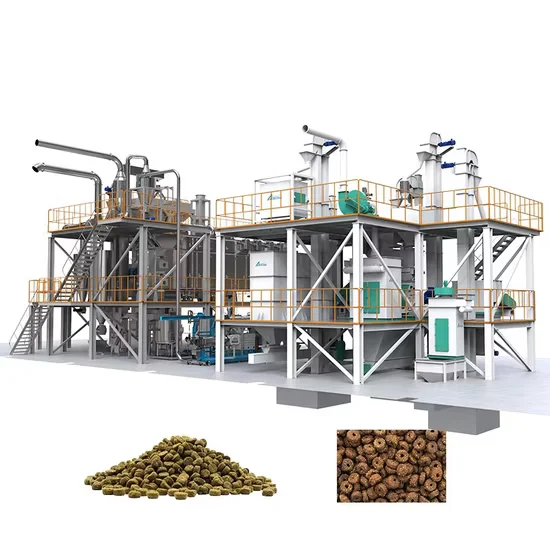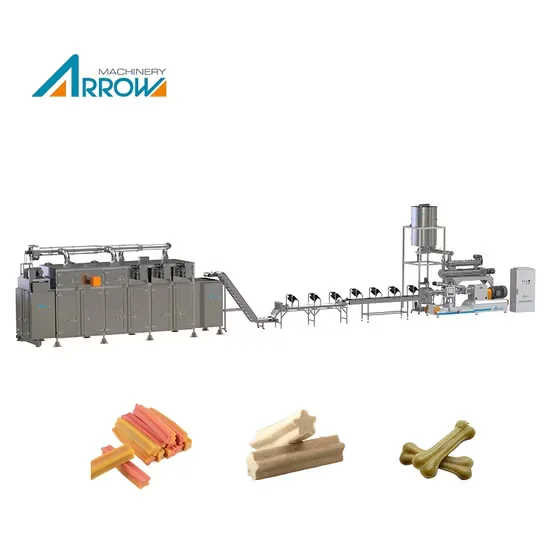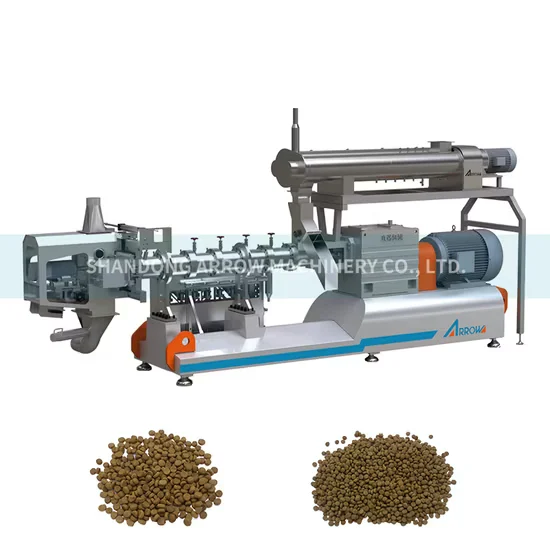
Insect protein is rapidly becoming a cornerstone of sustainable pet nutrition, yet its unique rheological properties often disrupt standard extrusion workflows. Manufacturers frequently encounter severe die blockages, uneven pellet expansion, and inconsistent moisture retention when substituting traditional meat meals with black soldier fly larvae or cricket flour. These operational failures stem not from equipment malfunction, but from a mismatch between generic processing parameters and the specific fiber-lipid matrix of insect-based ingredients.
Successfully producing high-quality insect kibble requires moving beyond off-the-shelf settings. The solution lies in customizing screw configurations to manage shear heat precisely, employing multi-zone thermal control to prevent fat separation, and integrating specialized downstream drying and coating systems. By treating insect meal as a distinct raw material category rather than a simple substitute, processors can achieve stable throughput and consistent product density without compromising nutritional integrity.
Decoding the Rheology of Insect Proteins in Extrusion
Insect meals differ fundamentally from poultry or fish meals due to their high chitin content and unique lipid structures. Chitin, a fibrous polysaccharide, behaves differently under heat and pressure compared to standard animal fibers. It does not gelatinize like starch, which means it provides structural rigidity but can increase abrasion on machine components if not managed correctly. Furthermore, the lipids in insect larvae are often more prone to oxidation and separation under excessive shear stress.
When these materials enter the extruder barrel, the lack of starch gelatinization means the melt viscosity is lower and less cohesive. This can lead to slippage at the die face, causing irregular cutting and poor pellet shape definition. Understanding this behavior is critical for insect-based pet food extrusion. If the process relies on standard profiles designed for high-starch corn or wheat bases, the result is often a crumbly, unstable kibble that fails to meet market expectations for hardness and durability.
The key is to recognize that insect protein requires a different balance of mechanical energy input. Too little shear results in incomplete cooking and poor binding, while too much shear generates excessive heat that degrades sensitive nutrients and forces fat out of the matrix. This delicate balance dictates every subsequent decision in line configuration, from feeder design to die geometry.
Optimizing Screw Configuration and Thermal Control
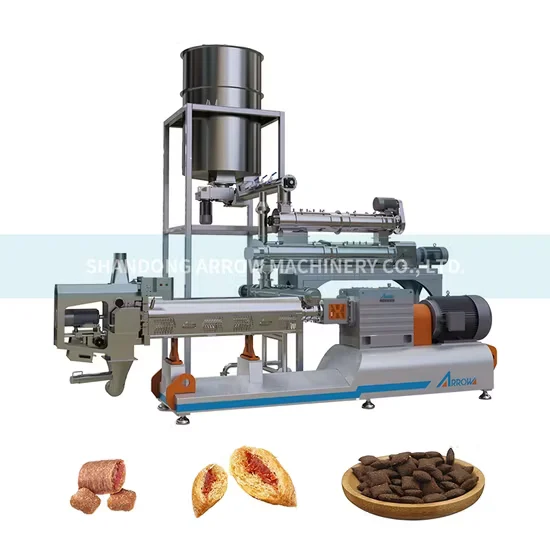
To handle the abrasive nature of chitin and the sensitivity of insect fats, the Twin-Screw Extruder must be configured with precision. Unlike single-screw machines, twin-screw systems offer modular flexibility, allowing engineers to adjust the ratio of conveying elements to mixing and shearing blocks. For high-inclusion insect formulas, a profile with moderate shear zones is often preferable. This approach ensures thorough mixing and cooking without generating the intense frictional heat that causes fat leakage.
Thermal management extends beyond the screw profile. Multi-zone barrel heating and cooling systems are essential to maintain a stable temperature gradient. Insect proteins can denature rapidly if exposed to sudden temperature spikes. By implementing precise zone control, operators can keep the material within an optimal window where proteins coagulate sufficiently to bind the pellet, but fats remain emulsified within the structure. This prevents the common issue of surface oiliness, which can lead to rancidity and packaging failures.
Additionally, preconditioning plays a vital role. Adding steam and water before the material enters the extruder barrel helps initiate starch gelatinization from other ingredients in the formula, providing a binding matrix for the insect particles. This step reduces the mechanical load on the extruder screws, lowering wear rates and improving energy efficiency. The goal is to let the extruder focus on forming and texturizing, rather than doing all the cooking work mechanically.
Managing Moisture and Structure in Downstream Drying
Once the kibble exits the die, the challenge shifts to moisture removal. Insect-based pellets often retain moisture differently than traditional kibbles due to their dense protein structure and lower starch content. Standard high-temperature drying can cause the exterior to harden too quickly, trapping moisture inside. This leads to case hardening, where the pellet appears dry but remains soft in the center, creating a risk for microbial growth during storage.
A Cross-Flow Circulation Dryer offers a solution by providing uniform air distribution across the product bed. This method allows for gentle, consistent moisture removal without exposing the kibble to direct, high-velocity hot air that might cause cracking or shrinkage. The cross-flow design ensures that every pellet receives similar thermal treatment, resulting in a consistent final moisture content throughout the batch. This uniformity is crucial for maintaining the structural integrity of the kibble and ensuring predictable shelf life.
It is also important to match the dryer capacity to the extruder output. In many lines, the dryer is the bottleneck. If the extruder produces more kibble than the dryer can handle efficiently, operators may be tempted to increase drying temperatures, which compromises quality. A balanced line design ensures that the drying section has sufficient residence time to remove moisture gently, preserving the nutritional value and physical structure of the insect protein.
Enhancing Palatability Through Precision Coating
One of the main barriers to consumer acceptance of insect-based pet food is palatability. While pets may tolerate the taste, enhancing flavor appeal is often necessary for market success. However, adding fats and flavors post-extrusion presents technical challenges. Insect kibble can be more porous or have a different surface texture than traditional kibble, affecting how coatings adhere.
Traditional drum coating can be effective, but for high-fat applications or sensitive flavors, a Vacuum Coating Machine provides superior results. By removing air from the chamber, the vacuum process allows liquid fats and* into the porous structure of the kibble. This not only improves taste but also locks in the nutrients and prevents surface oil migration. For insect-based products, where the base flavor might be earthy or strong, this deep infusion helps mask undesirable notes and creates a more appealing aroma for pets.
This stage is also where customization shines. Whether producing dry kibble or semi-moist treats, the coating system can be adjusted to apply multiple layers of flavor or functional additives. This flexibility allows manufacturers to create premium products that stand out in a crowded market, turning a functional insect protein source into a highly desirable pet food option.
Frequently Asked Questions
Q: Can a standard twin-screw extruder handle high-inclusion insect meal without excessive wear?
A: Standard configurations may suffer from accelerated wear due to the abrasive nature of chitin in insect meal. To mitigate this, it is advisable to use wear-resistant alloys for screws and barrels and adjust the screw profile to reduce unnecessary shear. Consulting with equipment suppliers to modify the screw element arrangement can significantly extend component life and maintain consistent performance during insect-based pet food extrusion.
Q: How do we prevent fat separation during the extrusion of insect-based pet kibble?
A: Fat separation is often caused by excessive mechanical shear or improper thermal profiling. Using a twin-screw extruder with modular screw elements allows for precise control over shear intensity. Additionally, optimizing the preconditioning step to ensure proper starch gelatinization helps create a matrix that traps fat within the pellet. Keeping barrel temperatures within a controlled range prevents the fat from reaching its separation point during processing.
Q: What drying method is best for maintaining the structural integrity of insect protein pellets?
A: Gentle, uniform drying is essential to prevent case hardening and cracking. Cross-flow circulation dryers are particularly effective for insect-based kibble because they provide consistent airflow across the product bed. This method avoids the harsh, direct heat that can damage the delicate structure of low-starch, high-protein pellets, ensuring a uniform moisture content and stable final product quality.
Q: How can we improve the palatability of insect-based pet food on a production line?
A: Vacuum coating technology is highly effective for enhancing palatability. It allows fats and flavors to penetrate the porous structure of the kibble, masking any earthy notes from the insect protein and creating a more appealing aroma. This method ensures even distribution and better adherence of coatings compared to traditional drum coating, resulting in a more consistent and tasty final product for pets.
Ready to optimize your production line for insect-based formulations? Share your specific raw material ratios and target hourly capacity to receive a customized equipment configuration and plant layout proposal. We can also discuss raw material trial options to validate process parameters before finalizing your investment.