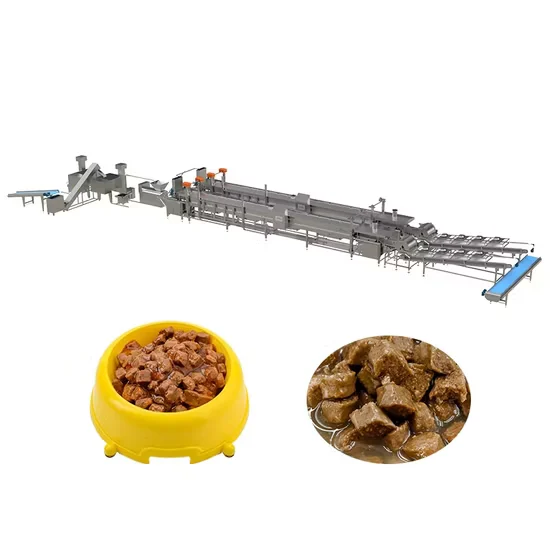
Many emerging market investors face a harsh reality when launching their first pet food plant: the equipment arrives, but the factory does not start. I once flew into a freezing Siberian town to fix a kibble line that refused to turn because nobody checked if the main extruder motor matched the regional voltage frequency. We spent three days rewiring just to get the screws moving. This experience highlights a critical truth for anyone searching for pet food processing equipment Kenya solutions: buying machines is only half the battle. Ignoring local utility specs or assuming standard dryers will match your extruder output can stall your launch before it begins.
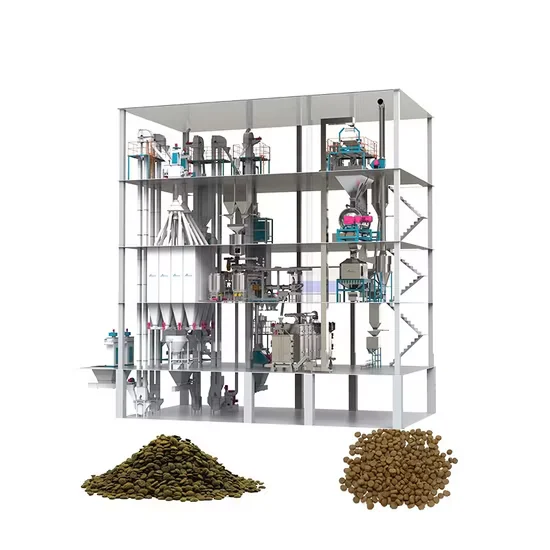
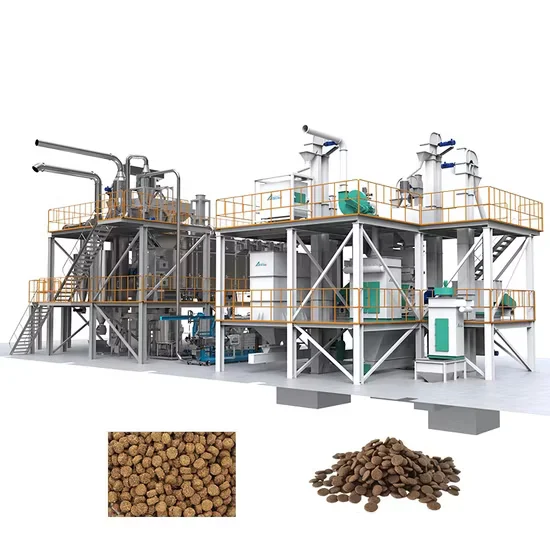
The core solution is not to buy the most expensive single machine, but to design an integrated line based on your specific raw materials, target capacity, and local infrastructure. Equipment selection must start with a thorough assessment of ingredient behavior and plant utilities rather than a generic catalog pick. By aligning every module from grinding to coating with your actual operating conditions, you ensure stable throughput and consistent product quality from day one.
Define Product Focus and Realistic Capacity Targets
Before selecting any hardware, you must lock down your primary product type. Are you producing dry kibble, baked treats, wet food chunks, or semi-moist snacks? Each category demands a distinct process route. For a startup in Kenya, it is often wise to focus on one core category, such as dry pet food, to simplify operations and reduce initial capital expenditure. Once the product type is clear, define your required output in kilograms per hour. Do not overestimate your initial market demand. A line designed for 5 tons per hour will operate inefficiently and incur high energy costs if you are only running 500 kg per shift.
Setting a realistic capacity target allows for better matching of upstream and downstream equipment. If your mixer can handle 2 tons per hour but your dryer only manages 1 ton, you create a bottleneck that forces frequent stops and starts. This inconsistency affects product quality and increases wear on mechanical components. A balanced line ensures that each stage flows smoothly into the next. When evaluating pet food processing equipment Kenya options, ask suppliers to provide a duty point analysis for each machine in the proposed line. This ensures that the nominal capacity of the extruder matches the drying and cooling capabilities, preventing costly operational mismatches.
Match Machinery to Local Ingredients and Utilities
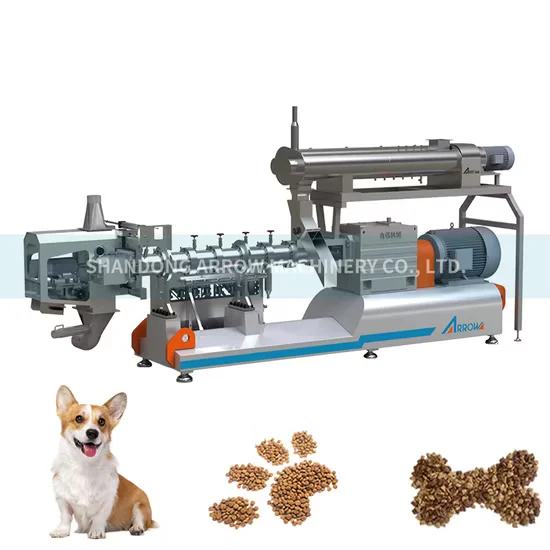
Kenyan pet food manufacturers often utilize locally sourced ingredients such as maize, cassava, sorghum, and meat by-products. These materials behave differently under heat and shear compared to standardized wheat or rice-based formulas. Maize, for instance, requires precise moisture control and temperature profiling to achieve proper starch gelatinization without burning. Your equipment must be flexible enough to handle these variations. A twin-screw extruder is generally preferred over single-screw models when dealing with high-fiber ingredients or formulations containing fresh meat, as it offers superior mixing and self-cleaning capabilities.
Equally critical is the assessment of your factory’s utilities. Power stability, voltage frequency, and available heat sources vary significantly across regions. In some areas, electricity may fluctuate, requiring motors with higher tolerance or backup power integration. If you rely on biomass or gas for heating, your dryer configuration must accommodate the specific thermal profile of that fuel source. Failing to specify these details during the quotation phase can lead to motors that burn out or dryers that cannot reach target temperatures. Always provide your supplier with exact data on power frequency, voltage, and available fuels. This transparency allows engineers to configure the pet food processing equipment Kenya buyers need to avoid costly retrofits after installation.
Core Processing Modules for a Balanced Line
A complete production line consists of several interdependent systems. The heart of the operation is the extrusion system. For dry kibble, a twin-screw extruder provides the necessary shear and pressure to cook the dough and form uniform shapes. It allows for precise control over density, which is crucial for both palatability and packaging efficiency. If you plan to produce cold-extruded treats, the machinery requirements shift toward low-temperature forming to preserve nutrient integrity and texture. Understanding this distinction prevents the purchase of inappropriate technology.
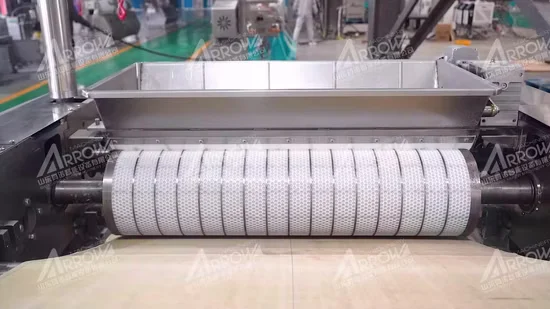
Downstream from the extruder, drying is often the bottleneck. A cross-flow circulation dryer offers consistent airflow and temperature distribution, ensuring that moisture is removed evenly from the center of each kibble piece. Uneven drying leads to mold growth during storage or brittle products that break during packaging. After drying, the coating stage adds flavor and fat. For high-fat formulations, a vacuum coating machine ensures deep penetration of oils and flavors, enhancing palatability without making the surface greasy. For simpler surface seasoning, a rotary drum flavoring machine may suffice. Selecting the right combination of drying and coating equipment depends on your target moisture levels and fat inclusion rates.
Plan for Turnkey Installation and Long-Term Support
Purchasing machinery from overseas involves more than just shipping containers. The real challenge lies in installation, commissioning, and operator training. A reputable supplier should offer more than just boxes of parts; they should provide a comprehensive engineering scope. This includes detailed layout drawings that account for maintenance access, material flow, and safety zones. Before signing a contract, clarify who is responsible for civil works, electrical connections, and piping. Ambiguity in these areas often leads to delays and unexpected costs during the setup phase.
Training is another vital component. Your local team needs to understand not just how to start the machines, but how to troubleshoot common issues and perform routine maintenance. Ask if the supplier includes on-site commissioning support and structured training programs in their proposal. Additionally, confirm the availability of spare parts and technical support after the warranty period ends. A clear service agreement ensures that minor issues do not become major production stoppages. When sourcing pet food processing equipment Kenya investors should prioritize suppliers who demonstrate a commitment to long-term partnership through transparent documentation and responsive engineering support.
Frequently Asked Questions
Q: What is the minimum capacity recommended for a startup pet food factory in Kenya?
A: There is no universal minimum, as it depends on your market strategy. However, many small-scale starters begin with lines capable of 300 to 500 kg per hour. This size allows for manageable raw material inventory and lower energy consumption while still achieving economies of scale. It is better to start with a smaller, fully utilized line than a large, underused one. You can always expand by adding parallel modules or upgrading specific sections later.
Q: Can the extrusion line process local ingredients like cassava and maize effectively?
A: Yes, modern twin-screw extruders can process maize, cassava, and other local starches effectively. However, these ingredients require specific preconditioning and screw configurations to ensure proper cooking and expansion. It is advisable to conduct raw material trials with your supplier before finalizing the machine design. This testing helps determine the optimal moisture addition and temperature profiles needed for your specific formula.
Q: How do you handle power frequency and voltage differences for the machinery?
A: Electrical specifications must be defined at the quotation stage. Suppliers can customize motors and control panels to match your local voltage and frequency, such as 50Hz or 60Hz systems. If power fluctuations are common, additional stabilizers or soft starters may be recommended to protect sensitive components. Always provide your exact utility data to ensure the equipment is built to withstand local grid conditions.
Q: Do you provide overseas installation and operator training for new factories?
A: Many equipment providers offer overseas commissioning services, including installation guidance and operator training. The scope, duration, and associated costs are typically defined in the commercial contract. It is essential to clarify whether travel expenses, accommodation, and visa support are included. Structured training ensures your team can operate and maintain the line independently after the engineers depart.
To move forward, send your product formula, expected capacity, and factory dimensions to request a customized line layout and technical specifications. You can also discuss raw material trials to validate your process before committing to a full order.