


Process & Design
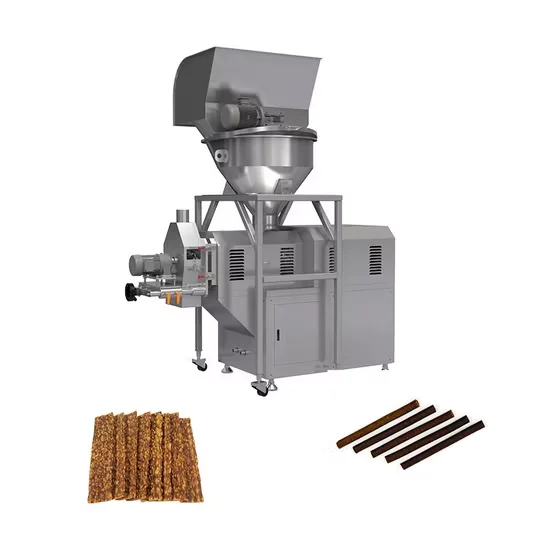
How Dog Treat Meat Sticks Making Equipment for Pet Food works in your plant
Match formulation to screw configuration — Stable forming of high-meat doughs requires precise pressure control, not just machine assembly.
Technical Specifications
| Parameter | Value |
|---|---|
| Product | LTE Low-Temperature Cold Extruder for Dog Treats |
| Model | LTE |
| Automatic Grade | Automatic |
| Application | Dog, Cat |
| Raw Materials | Stainless Steel |
| Power | 380V/220V |
| Heating Method | Gas/Steam/Electric |
| Main Motor | Siemens |
| Specification | 500-5000 kg |
| Dimension | Customerized |
| Weight | Customerized |
| Capacity | Customerized |
Application Suitability
| Product / Industry | Typical Use |
|---|---|
| Pet Treat Manufacturers | Production of meat sticks, jerky, and soft chews for dogs and cats |
| Private-Label Processors | Flexible batch sizes for specialized snack textures and high-meat formulations |
| Dog Chew Processing Lines | Forming dense, non-puffed treats that retain natural ingredient integrity |
Why High-Meat Treats Fail in Standard Extruders
Consistent shape requires low-temperature forming to prevent protein denaturation before the die.
Many factories assume any extruder can handle high fresh-meat ratios. In reality, traditional high-heat processes cook the protein too early, causing the dough to tear and leave ragged tails on every stick. This inconsistency bottlenecks the entire drying and packaging section. Without matching the screw configuration to the exact meat ratio, you face unstable extrusion and poor finished-product consistency.
Where the LTE Extruder Fits in Your Line
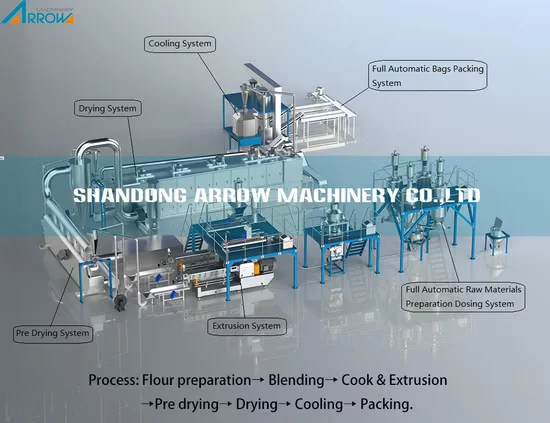
The LTE low-temperature cold extruder sits between the mixing and drying stages. It receives the homogenized raw material mixture and forms it into specific shapes without excessive puffing. This step is critical for maintaining the density required for meat sticks and soft chews. The formed product then moves directly to the drying system, where moisture is removed gently to preserve texture.
Production Challenges with Heat-Sensitive Ingredients
Raw material variability, especially in fresh meat content, changes how the dough flows through the barrel. High油脂 levels can lubricate the mix too much, leading to slippage and uneven output. Maintaining a consistent particle shape and density becomes difficult if the temperature spikes unexpectedly. Moisture control is equally vital, as excess water affects the final chewiness. Cleaning between batches with different flavors or meat types must be efficient to prevent cross-contamination. Continuous running stability depends on how well the machine handles these fluctuating inputs.
Understanding Key Specifications for Stable Output
The Siemens main motor provides the torque needed to push dense, high-meat doughs through the die without stalling. This ensures stable operation even when ingredient viscosity changes slightly. You can choose gas, steam, or electric heating methods to match your factory’s existing utility infrastructure. This flexibility avoids costly boiler upgrades or electrical rewiring. Stainless steel contact parts meet hygiene standards for food processing and resist corrosion from salty or acidic ingredients. Customizable dimensions allow the unit to fit into tight spaces within older facilities or new layouts. The capacity range of 500-5000 kg lets you scale from pilot runs to full production.
Hidden Costs of Poor Equipment Selection
Choosing an extruder that cannot handle your specific recipe leads to constant downtime. You may face whole batches of rejected product due to poor shape retention. Waiting for spare parts from multiple vendors delays repairs and halts production. Expanding capacity later often requires replacing the entire unit if the initial choice was too small. These inefficiencies add up quickly, eroding profit margins and delaying return on investment.
Why Source This Equipment from Arrow
We offer manufacturer-oriented supply, meaning you deal directly with the engineering team behind the design. Our process coverage integrates ingredient preparation with forming, ensuring the extruder matches your upstream mixers. We select machines based on your specific ingredients and target product characteristics, not a generic catalog. Raw-material trials help confirm that the LTE model works with your formula before you commit. Custom line layouts ensure the extruder fits your factory footprint and utility constraints. Export project coordination includes clear documentation and support options defined in your contract.
Documentation & Delivery
- Detailed technical specifications sheet for the LTE model configuration.
- Factory layout drawings showing integration with dryers and mixers.
- Comprehensive operation and maintenance manuals in English.
- Factory acceptance test records verifying motor and control system function.
- Export packing list and commercial invoice prepared per Incoterms.
- Certificate files provided as per contractual agreement and local regulations.
Installation, Operation & Maintenance
- Ensure factory floor has sufficient load-bearing capacity for the customized weight.
- Connect power supply matching the 380V/220V requirement and chosen heating source.
- Conduct initial trial runs with actual raw materials to calibrate screw speed.
- Clean stainless steel surfaces daily to prevent residue buildup and bacterial growth.
- Replace wear parts like die plates according to the maintenance schedule.
- Adjust feeding pressure when switching between different treat formulations.
How to Request a Precise Quotation
Provide your target product type, such as meat sticks or soft chews, and the raw material formulation. Specify the required output capacity and operating schedule to determine the right model size. Share your factory dimensions, voltage frequency, and available heat source for accurate configuration. Include the destination country and any specific certification needs for customs clearance. You will receive a preliminary configuration, layout proposal, and formal quotation with clear commercial terms.
Frequently Asked Questions
Q: What types of pet treats are best suited for low-temperature cold extrusion?
A: This method is ideal for heat-sensitive products like meat sticks, jerky, and soft chews. It preserves the natural texture and nutrients of high-meat formulations without puffing. The process avoids the high shear and temperature that can degrade protein quality in traditional extrusion.
Q: How does the LTE model differ from standard twin-screw extruders in terms of product texture?
A: The LTE model focuses on forming dense, non-puffed treats by controlling temperature precisely. Standard twin-screw extruders often create expanded kibble through high heat and pressure. The cold extrusion process maintains the original density and chewiness desired for premium meat-based snacks.
Q: Can the heating method be customized to match my factory’s existing energy sources?
A: Yes, you can choose between gas, steam, or electric heating methods. This flexibility allows you to integrate the extruder into your current utility setup without major infrastructure changes. Select the option that offers the most cost-effective and reliable energy supply for your location.
Q: What is the lead time for a customized LTE extruder with specific capacity requirements?
A: Lead times vary based on the specific configuration, capacity, and current production schedule. A formal quotation will provide an estimated delivery timeline after reviewing your technical requirements. Custom dimensions or special motor specifications may affect the manufacturing duration accordingly.
Q: Does the price include installation and operator training for the automatic control system?
A: Installation and training scope are defined contractually and can be included in the proposal. Overseas commissioning options are available, with travel costs and team details specified in the agreement. Clarify these service requirements during the technical review to ensure they are covered.
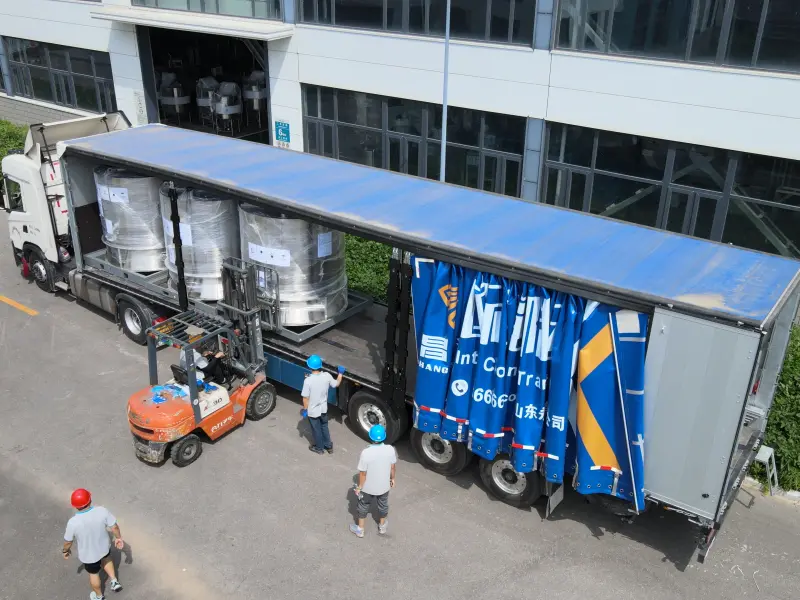
Shipping
Container sea freight or rail · spare parts by air
Delivery & Support
From factory acceptance to stable production
Every Shandong Arrow Machinery machine ships with full documentation, on-site commissioning support and a spare-parts channel tied to its serial number, so your line keeps running after start-up.
-
Shipping documents
Equipment specification, configuration list, drawings where applicable, operation manual, packing list, commercial invoice and export documents.
-
Testing & inspection
Factory test records, videos, inspection reports and material declarations, by product type and contract.
-
Installation & training
Installation, commissioning, operator training and maintenance guidance, with the scope set in your contract.
-
Spare parts
Screws, extrusion dies, gearboxes and wear parts, supplied against your machine's serial number or model.
Same Category
Related pet food machines
These machines and lines sit in the same process family, so you can build a complete line or add a single stage with them.

Cold Extrusion Dog Food Extruder Equipment Plant
View details
Cold Press Dog Food Extruder Equipment for Pet Food
View details
Lab Twin Screw Food Extruder Equipment for Pet Snack Manufacturing
View details
High Meat Content Pet Food Making Equipment Plant
View details
Not sure this configuration fits your formula?
Tell us your target product, raw materials and output in kg/h. Our engineers confirm the process first, then recommend the extrusion and drying setup.
Applications
Pet products this machine is built for
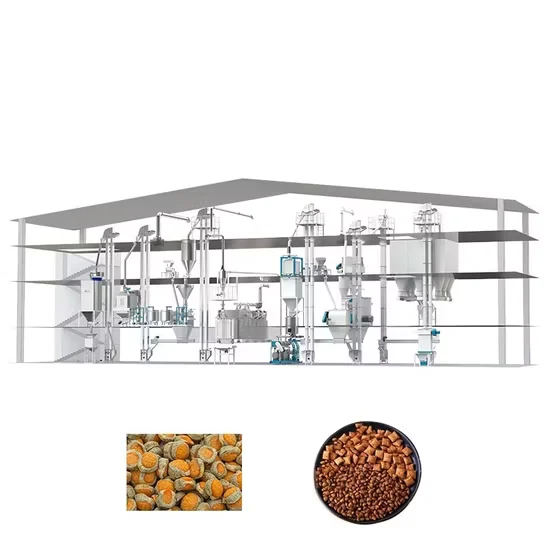
This equipment is configured for the pet product types below. Open an application to see the full process route and matching machines.
Engineering Notes
Selection guides & technical articles
Read how process engineers choose extrusion, drying and coating setups for pet food before they commit to a configuration.
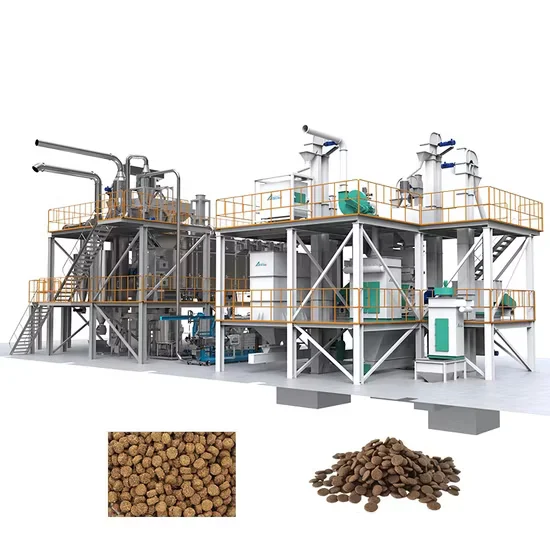
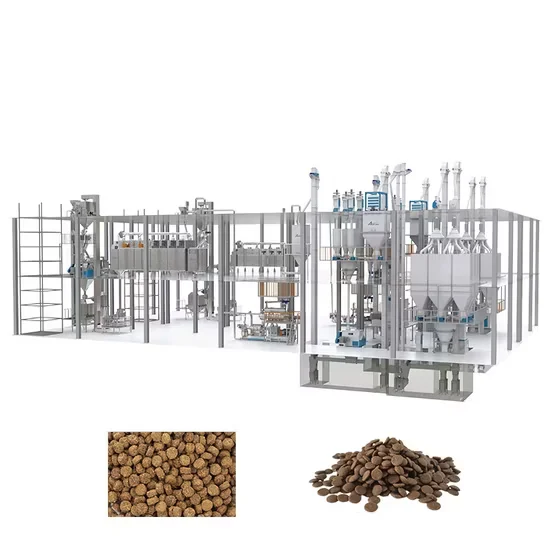
Pet Treats Plant Setup: Full Line vs Standalone Machines
Read article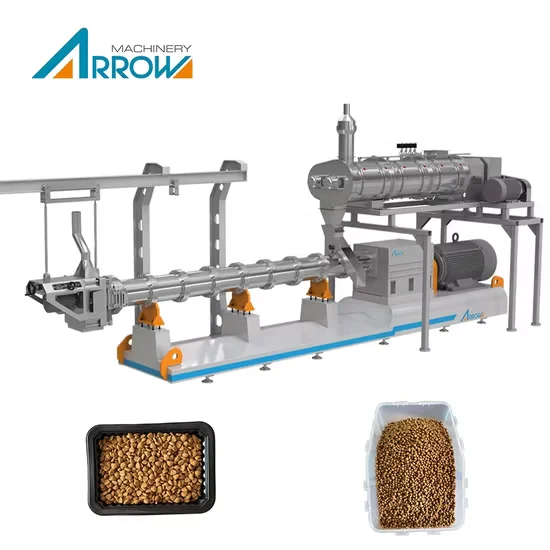
5 Key Factors for Choosing a Custom Dental Dog Chews Production Line
Read article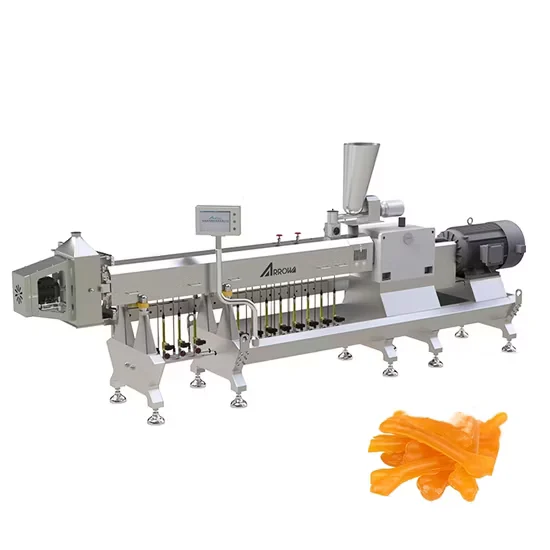
Dog Chews Production Line: 5 Key Factors to Compare Before Buying
Read articleFAQ
Questions buyers ask about this machine
Short answers on trials, lead time, documents and spare parts from Shandong Arrow Machinery, a pet food machinery manufacturer in Jinan, China.
Can I test my formula before I order?
Yes. Where conditions allow, we arrange formula and process trials on our process test platform, and you can send your own raw material for testing. Agreed raw-material tests are completed before production or shipment.
What is the lead time?
The lead time is stated in your formal quotation, based on the confirmed model, configuration and scope of supply. Machines ship by container sea freight or rail, and spare parts can go by air.
Which documents come with the machine?
You receive the final equipment specification, configuration list, equipment drawings where applicable, operation manual, packing list, commercial invoice and export or shipping documents. Factory test records, videos, inspection reports and material declarations are provided according to product type and contract.
How do I get spare parts after commissioning?
Send us your machine's serial number or model and we match the right parts. We supply screws, extrusion dies, gearboxes and wear parts, along with process consultation and service.
More answers on our pet food machinery FAQ page.
Request a quote for Dog Treat Meat Sticks Making Equipment for Pet Food
Share your target product and output. You receive a technical proposal with model, scope of supply and options.
- WhatsApp +86 137 9316 7756
- Email info@arrowextrusion.com
- No. 47 Chengbohu Road, Jibei Subdistrict, Jiyang District, Jinan, Shandong, China