Many investors planning a custom dental dog chews production line focus heavily on the extruder mold, assuming it alone dictates the final product quality. However, overlooking the drying and coating stages often leads to cracked edges, inconsistent hardness, or poor flavor retention in complex shapes like bones and brushes.
Success depends on integrating the entire process. A reliable line balances twin-screw extrusion parameters with precise thermal control in drying and uniform application in coating. This holistic approach ensures that custom shapes maintain their structural integrity while achieving the desired chew texture and palatability.
Precision Extrusion for Complex Shapes and Textures
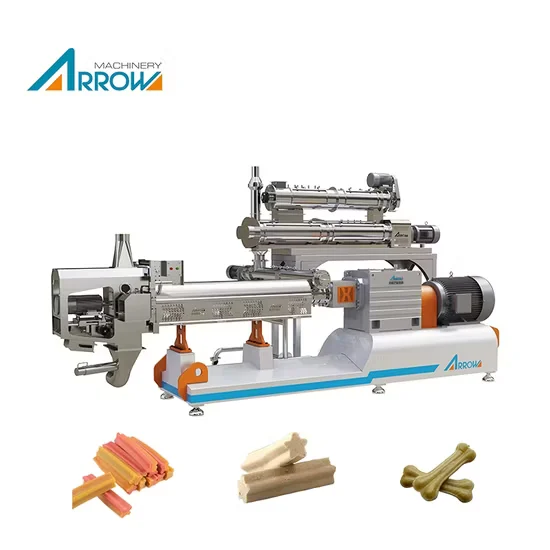
The foundation of any dental chew manufacturing plant is the extrusion system. For custom shapes, the twin-screw extruder offers superior control over shear force and temperature profiles compared to single-screw alternatives. This control is critical when working with formulations containing fresh meat, high fat, or specific starch blends that require gentle handling to avoid degradation.
The screw configuration determines how ingredients are mixed, cooked, and formed. By adjusting the screw elements, operators can influence the degree of starch gelatinization, which directly impacts the chew’s durability and digestibility. For dental chews, a moderate level of expansion is often desired to create a porous structure that aids in cleaning teeth, without compromising the shape’s definition.
Mold design and cutting systems must work in tandem with the extruder. Complex geometries require precise pressure maintenance at the die face to prevent deformation as the product exits. If the pressure drops too quickly, the product may expand unevenly, distorting the intricate details of a toothbrush or bone shape. The right pet treats extrusion equipment allows for quick mold changes and adjustable cutting speeds, enabling manufacturers to switch between different SKUs efficiently without extensive downtime.
Controlling Drying to Preserve Shape and Moisture
Once extruded, the high-moisture product enters the drying phase, which is frequently the bottleneck in any dog chews processing line. Aggressive drying can cause surface cracking and warping, especially in thick or irregularly shaped chews. The goal is to remove moisture uniformly from the center to the surface, locking in the shape while achieving the target water activity for shelf stability.
Cross-flow circulation dryers are often preferred for this application because they provide consistent air distribution across the product bed. Unlike simple tunnel dryers, these systems allow for multi-pass drying curves, where temperature and humidity are adjusted in stages. The initial stage might use lower temperatures to set the surface, followed by higher temperatures to drive out internal moisture. This gradual process prevents the “case hardening” effect, where the exterior dries too fast and traps moisture inside, leading to spoilage or texture issues later.
The drying curve must be calibrated to the specific formulation. Starch-based blends behave differently than protein-rich mixes. Monitoring the moisture content at each stage ensures that the final product meets the required hardness for dental benefits. If the chew is too soft, it fails to clean teeth; if it is too brittle, it may shatter during packaging or consumption. Proper drying control is not just about removing water; it is about defining the final mechanical properties of the chew.
Integrating Coating for Palatability and Function
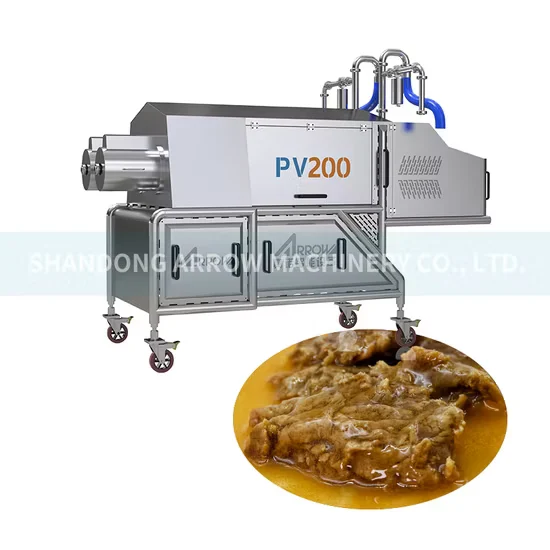
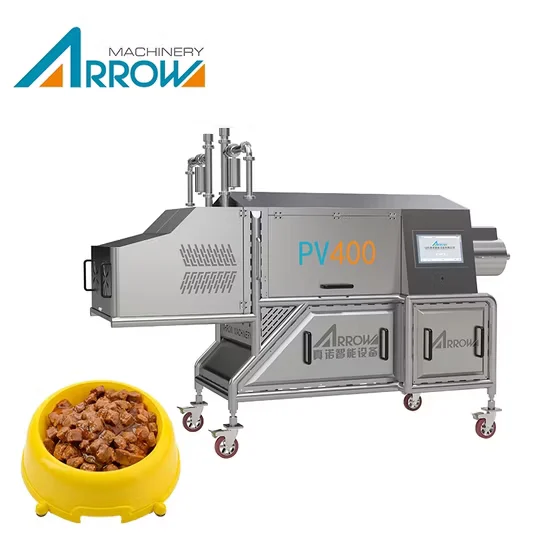
After drying, the chews often require coating to enhance palatability or add functional ingredients such as enzymes or breath-freshening agents. The choice of coating system depends on the type of additive and the desired coverage. For high-fat coatings or liquid flavors, vacuum coating machines offer superior penetration and uniformity. By reducing pressure, the coating is drawn into the porous structure of the chew, ensuring that every bite delivers the intended benefit.
For surface-level seasonings, double-drum flavoring machines provide a gentle tumbling action that distributes powder or light liquids evenly without damaging the fragile shape. The key is to match the coating method to the product’s surface texture. Rough, porous surfaces absorb coatings well, while smoother, denser chews may require a binder or a different application technique to ensure adhesion.
Integrating the coating step seamlessly into the line requires careful consideration of throughput. The coating system must handle the same volume as the extruder and dryer to avoid backups. Additionally, the design should facilitate easy cleaning to prevent cross-contamination between different flavors or functional additives. A well-designed custom dental dog chews production line ensures that the coating process enhances the product without compromising its structural integrity or visual appeal.
Balancing Capacity and Factory Footprint
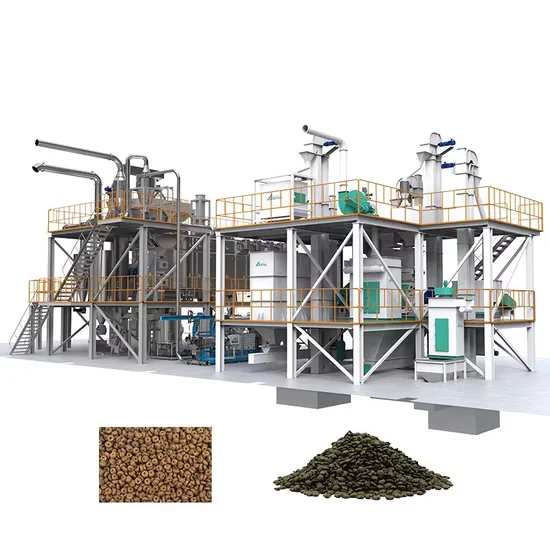
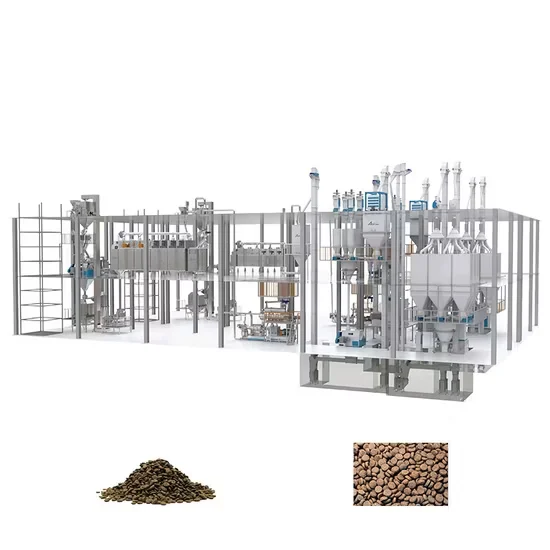
Designing a dental chew manufacturing plant involves more than selecting individual machines; it requires balancing the capacity of each section. The extruder, dryer, and coater must operate in harmony. If the dryer is undersized, it becomes a bottleneck, forcing the extruder to run below its optimal capacity. Conversely, an oversized dryer wastes energy and floor space.
When planning a new facility or upgrading an existing one, consider the available footprint and utility constraints. Modular designs allow for staged expansion, enabling manufacturers to start with a core line and add capacity as demand grows. Layout optimization is crucial for minimizing material handling and reducing the risk of contamination. Efficient flow from raw material intake to finished product packaging improves operational efficiency and reduces labor costs.
Shandong Arrow Machinery supports this planning process by offering layout-based equipment configuration. By evaluating the specific ingredients, target product characteristics, and factory dimensions, engineers can propose a line that maximizes output within the available space. This approach ensures that the investment aligns with both current production goals and future growth plans.
Frequently Asked Questions
Q: Can a single twin-screw extruder produce different shapes of dental chews?
A: Yes, a twin-screw extruder can produce various shapes by changing the die mold and adjusting the cutter speed. However, significant changes in formulation or product density may require adjustments to the screw configuration and barrel temperature profile to maintain optimal cooking and shaping performance.
Q: How do you ensure custom shapes do not deform during the drying process?
A: Preventing deformation requires a controlled drying curve. Using a cross-flow circulation dryer with multi-stage temperature and humidity settings allows the product to dry evenly. Starting with lower temperatures helps set the shape before increasing heat to remove internal moisture, reducing the risk of warping or cracking.
Q: What is the typical lead time for designing and installing a complete dog chews line?
A: Lead times vary based on the complexity of the line, customization requirements, and current production schedules. A formal quotation will specify the manufacturing duration, shipping terms, and installation timeline. Early engagement with the engineering team helps clarify scope and accelerate the project planning phase.
Q: Can you provide raw material trials before we commit to the full production line?
A: Yes, raw material trials are available to test formulation behavior and optimize process parameters. These trials help determine the appropriate screw configuration, drying curve, and coating method for your specific product. Trial availability and costs are confirmed during the technical review and quotation process.
To start planning your custom dental dog chews production line, share your product shape requirements, raw material formulation, and target capacity. Our engineering team will provide a detailed technical proposal, including equipment configuration and factory layout options, to ensure your investment meets your production goals.