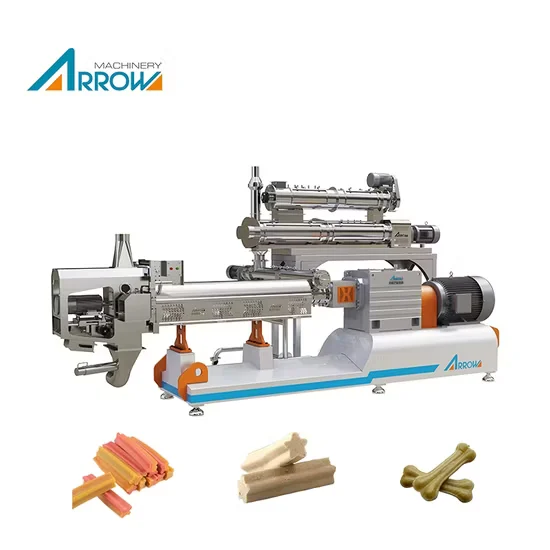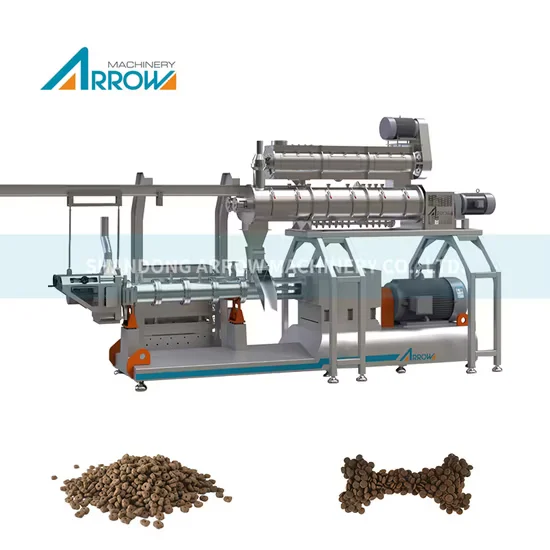
Many new investors planning a pet food factory focus intensely on the extruder’s nominal output, only to discover later that the drying or coating stages cannot keep pace. This mismatch leads to uneven moisture content, product spoilage, and actual throughput far below expectations. Selecting the right pet food plant machines requires looking beyond single-unit specifications to ensure every stage of the process flow is balanced for your specific recipe and target capacity.
The core principle of successful line configuration is integration. You must evaluate equipment based on ingredient behavior, desired product shape, and thermal limits across the entire system. A well-designed line matches the extrusion rate with adequate drying surface area and coating time, preventing bottlenecks that compromise quality. This holistic approach ensures that your investment delivers consistent, high-quality kibble, treats, or aquatic feed without operational surprises.
Core Processing Stages: From Raw Materials to Finished Kibble
Producing stable, palatable pet food involves four critical stages: grinding and mixing, extrusion and forming, drying, and coating. Each step influences the final product’s texture, shelf life, and nutritional integrity. Skipping proper evaluation at any point can undermine the entire operation.
Grinding and mixing prepare the raw materials for uniform processing. Consistent particle size from hammer mills or pulverizers ensures even hydration and cooking during extrusion. Mixing systems, such as twin-shaft paddle mixers, must achieve homogeneity to prevent segregation of vitamins or minerals. If the input blend varies, the extruder cannot compensate, leading to inconsistent pellet density and color.
Extrusion cooks and shapes the dough under heat and pressure. This stage determines the expansion ratio, which affects buoyancy for fish feed or crunchiness for dry kibble. The transition from raw mix to cooked structure relies on precise temperature and shear control. Without stable extrusion conditions, downstream equipment struggles to handle variable moisture loads.
Drying removes excess water added during steam conditioning and extrusion. This is often the most energy-intensive and space-consuming part of the line. Inadequate drying leaves internal moisture high, inviting mold growth during storage. Conversely, excessive heat can degrade nutrients or cause case hardening, where the outside dries too fast while the inside remains wet.
Coating adds fats, flavors, and palatability enhancers after drying. Since high-temperature application can oxidize oils, this step usually occurs at lower temperatures. Uniform coverage is essential for consumer acceptance. Poor coating results in dusty products or uneven flavor distribution, leading to customer complaints and returns.
Matching the Extruder to Your Recipe and Capacity
The extruder is the heart of the line, but its performance depends entirely on how well it matches your formulation. High fresh meat content, significant starch levels, or specialized shapes like bones or pillows require different screw configurations and barrel designs. A generic setup rarely optimizes yield or quality for diverse recipes.
Twin-screw extruders offer greater flexibility than single-screw models, especially for formulas with high fat or moisture content. They provide better mixing and pumping action, allowing for consistent output even when ingredient viscosity changes. For sensitive ingredients or products requiring minimal thermal damage, low-temperature cold extruders form shapes without significant expansion, preserving nutrient profiles and texture.
When selecting an extruder, consider the target shape and density. Floating fish feed requires specific expansion characteristics to achieve buoyancy, while sinking feed demands higher density. The die plate hole diameter and cutter speed must align with these goals. Changing product sizes frequently? Look for systems that allow quick die swaps and adjustable cutter heads to minimize downtime during changeovers.
Capacity claims should be verified against your specific raw materials. A machine rated for 1 ton per hour on standard corn-soy blends may perform differently with high-meat diets. Requesting trials with your actual formula helps confirm throughput and product quality before purchase. This step reduces the risk of buying equipment that cannot meet your production schedule under real-world conditions.
Why Drying and Coating Dictate Your Real Throughput
While the extruder sets the pace, the dryer and coater often determine the true capacity of your line. Many projects fail because the drying system is undersized for the moisture load generated by the extruder. If the dryer cannot remove water fast enough, you must slow down the extruder, wasting its potential.
Cross-flow circulation dryers are common in pet food production due to their ability to handle large volumes with consistent airflow. However, the design must account for the initial moisture content and the target final moisture level. Insufficient drying time or uneven air distribution leads to product variability. External air circulation dryers or specialized drying rooms may be needed for specific textures or larger pieces like jerky treats.
Coating efficiency also impacts throughput. Vacuum coating machines are ideal for adding high levels of fat or liquid attractants without making the surface greasy or sticky. They ensure deep penetration of flavors into porous kibble. For surface-level seasoning, drum flavoring machines work well but may require longer residence times to achieve uniform coverage. If the coater is too small, it becomes a bottleneck, forcing the entire line to wait.
Balancing these stages requires careful engineering. The dryer’s thermal capacity must match the extruder’s output, and the coater’s volume must handle the dried product flow. Mismatches here lead to inefficiencies, increased energy costs, and inconsistent product quality. Proper sizing ensures smooth operation and maximizes return on investment.
Building a Flexible Line for Treats and Wet Food
Modern manufacturers often produce multiple product types, from dry kibble to semi-moist treats and wet food chunks. Designing a flexible line allows you to switch between these categories without major reconfiguration. Modular equipment supports this versatility, enabling efficient use of factory space and resources.
For treats like meat strips or jerky, the process differs significantly from kibble production. Extrusion may involve lower temperatures and different forming techniques. Drying times are longer to achieve the desired chewiness. Using standalone machines like single-shaft paddle mixers or specialized grinders allows you to tailor each step to the specific product requirements.
Wet food production, such as meat chunks in sauce, requires texturization rather than expansion. Specialized extruders create the fibrous structure needed for realistic meat analogs. Downstream handling focuses on sterilization and packaging rather than drying. Integrating these capabilities into one facility requires careful planning of utility connections and workflow paths.
Flexibility also means considering future expansion. Leaving space for additional dryers or coaters allows you to increase capacity or add new product lines later. Standardized interfaces between machines simplify upgrades. By designing with modularity in mind, you protect your investment against changing market demands and consumer preferences.
Frequently Asked Questions
Q: Can I buy individual machines instead of a complete production line?
A: Yes, you can purchase standalone units like extruders, dryers, or mixers. This is suitable for expanding existing facilities or replacing specific bottlenecks. However, ensure compatibility with your current equipment regarding capacity and control systems. Engineering support helps verify integration points to avoid operational mismatches.
Q: How do you determine the right extruder model for high fresh meat formulas?
A: High fresh meat content increases moisture and fat levels, requiring extruders with strong pumping and mixing capabilities. Twin-screw models are typically preferred for their ability to handle viscous doughs. Trials with your specific recipe help confirm the appropriate screw configuration and barrel length to achieve stable output and desired texture.
Q: What information should I prepare before requesting a quotation for a turnkey plant?
A: Provide details on product type, raw material ratios, target capacity, and desired shape. Include factory dimensions, power availability, and local utility constraints. Specify if you need layout design, installation, or training. This data enables accurate equipment selection and ensures the proposed solution fits your operational environment and budget.
Q: Do you provide layout design and overseas installation for new factories?
A: Yes, comprehensive support includes custom line layouts, equipment configuration, and overseas commissioning. The scope of installation, training, and technical support is defined in the contract. This ensures clear responsibilities and helps your team operate the machinery efficiently from day one, minimizing startup risks.
Ready to plan your production facility? Share your product formula, target capacity, and factory dimensions to receive a customized equipment configuration list and workshop layout. Discuss raw material trials to validate performance before commitment, or request technical specifications to evaluate integration options for your specific needs.