
Extrusion Process Notes Buying Guide
Pet Food Production Line: How to Avoid Common Buying Mistakes
This article addresses common pet food production line buying mistakes by highlighting the risks of isolating the extruder from downstream capacity. Readers learn to validate raw material trials and ensure integrated engineering for balanced system performance.
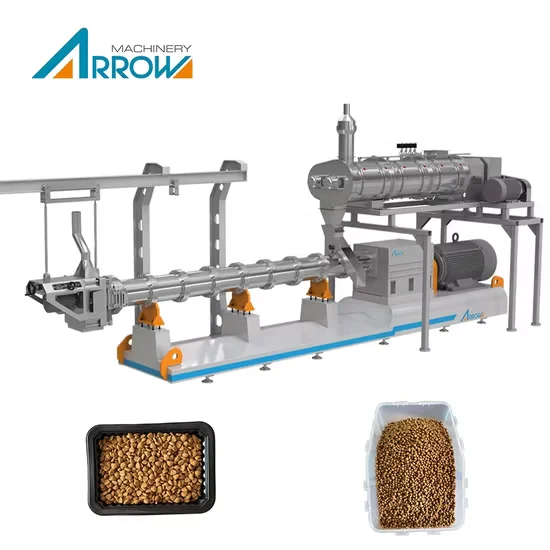
Many new brands pour their entire budget into the core extruder, assuming it is the only machine that matters. They overlook drying, coating, and upstream handling, only to find the freshly extruded wet dough hitting a bottleneck because the dryer capacity fails to match the extruder output. Suppliers point fingers while the factory floor sits idle. This chaotic scene is a common result of poor planning in pet food production line buying mistakes.
Successful investment depends on more than just the screw configuration of one machine. It requires a balanced system where ingredient preparation, forming, thermal processing, and finishing are matched to your specific raw materials, target product characteristics, and plant utilities. Avoiding pet food production line buying mistakes means viewing the facility as an integrated process rather than a collection of standalone units.
The Trap of Isolating the Extruder from Line Balance
The extruder is the heart of the process, but it does not operate in a vacuum. A frequent error in pet food production line buying mistakes is selecting a high-capacity twin-screw extruder without verifying that downstream equipment can handle the resulting moisture load and throughput. If the extruder produces two tons of kibble per hour but the dryer can only remove moisture from one ton effectively, the entire line is capped at the lower limit. This mismatch leads to energy waste, inconsistent product quality, and potential spoilage if wet product accumulates.
Matching capacities requires looking at the duty points of every component. For instance, a Cross-Flow Circulation Dryer must be sized not just for volume, but for the specific moisture reduction required by your recipe. High-meat formulations retain more water and require longer residence times or higher air volumes compared to starch-heavy mixes. Similarly, the Vacuum Coating Machine must align with the final output rate to ensure even flavor distribution without creating a backlog. When you evaluate equipment, ask how the supplier calculates these balances based on your target moisture and density.
Interface compatibility is another critical factor often missed in pet food production line buying mistakes. Conveyors, elevators, and transfer points between the extruder cutter and the dryer inlet must be designed to handle the specific texture and temperature of the fresh product. If the transfer system is too slow or creates excessive drop height, fragile pellets may break before they even reach the drying stage. A cohesive engineering approach ensures that mechanical interfaces support the process flow rather than hindering it.
Why Skipping Raw Material Trials Leads to Quality Failures
Laboratory results rarely translate directly to industrial scale without adjustment. One of the most costly pet food production line buying mistakes is ordering equipment based solely on theoretical formulations without validating them through actual extrusion trials. Ingredients behave differently under varying shear forces, temperature profiles, and pressure conditions. A recipe that works in a small bench-top tester may fail to expand properly or maintain shape in a full-scale twin-screw extruder due to differences in screw geometry and heat transfer efficiency.
Process validation allows you to identify these issues before capital is committed. By testing your specific raw material blend, including fresh meat content or alternative proteins, you can determine the optimal screw configuration and die design. This step confirms whether the desired buoyancy for fish feed or the hardness for dog chews is achievable with the proposed setup. It also reveals if additional preconditioning is necessary to stabilize the input before it enters the main barrel.
Including trial costs and time in your initial investment plan is far cheaper than retrofitting or replacing machines later. Suppliers who offer application-based selection use these trials to refine equipment specifications rather than offering generic solutions. This evidence-based approach reduces the risk of producing off-spec product during commissioning and helps establish realistic operating parameters for your team from day one.
Overlooking Site Constraints and Utility Requirements
Factory dimensions and local utilities dictate what equipment can actually be installed. A common oversight in pet food production line buying mistakes is selecting machinery that fits the budget but not the building. Limited ceiling height may prevent the installation of tall vertical dryers, requiring a switch to horizontal or multi-pass systems. Narrow aisles or restricted door sizes can complicate the delivery and positioning of large mixers or extruder barrels. Planning the layout early ensures that maintenance access and operator safety are not compromised.
Utility availability is equally decisive. Power frequency, voltage stability, and fuel sources vary significantly by region. An electric steam generator might be ideal in one location, while a direct-fired gas heater is more economical in another. Ignoring these factors can lead to expensive electrical upgrades or inefficient heating systems. Additionally, water quality affects boiler performance and cleaning protocols, which should be considered when specifying tanks and piping.
Future expansion should also influence current layout decisions. Leaving space for additional silos, larger mixers, or secondary packaging lines avoids the need for costly structural changes later. Modular equipment designs can facilitate staged growth, allowing you to start with a baseline capacity and add modules as demand increases. This flexibility is crucial for new brands scaling up their market presence without overinvesting upfront.
The Value of Integrated Engineering and Single-Source Responsibility
Sourcing machines from multiple vendors often seems cost-effective but frequently leads to coordination failures. When problems arise, suppliers may blame each other for performance gaps, leaving the buyer stuck in the middle. This fragmentation is a major contributor to pet food production line buying mistakes. A single provider responsible for the entire line ensures that all components are engineered to work together, with clear accountability for performance and integration.
Integrated engineering covers everything from raw material intake to finished product handling. It includes detailed layout drawings, utility connection points, and automation logic that ties the system together. This holistic view helps identify potential bottlenecks and optimizes material flow. Furthermore, having one point of contact for commissioning, training, and spare parts simplifies long-term operations and maintenance.
Contractual clarity is essential in these arrangements. Ensure that technical specifications, acceptance criteria, and training scopes are explicitly defined. Factory acceptance testing allows you to verify equipment performance before shipment, reducing surprises during installation. Overseas commissioning support and operator training should be part of the agreement to ensure your team can run the line efficiently from the start. This comprehensive support structure minimizes downtime and accelerates the path to profitable production.
Frequently Asked Questions
Q: Should I buy a complete production line or individual machines for my new pet food factory?
A: Both options are viable, but a complete line ensures better integration and balance. Individual machines work if you are upgrading specific stages, but new factories benefit from unified engineering that matches capacity across extrusion, drying, and coating. This avoids bottlenecks and simplifies responsibility for performance.
Q: How do I ensure the extruder I choose will work well with my specific raw material formula?
A: Request raw material trials using your actual ingredients. These tests reveal how your formulation behaves under industrial shear and temperature conditions. The data helps select the right screw configuration and die, ensuring the final product meets your texture and density targets without guesswork.
Q: What utilities and factory space requirements should I prepare before requesting a production line quotation?
A: Provide detailed floor plans, ceiling heights, and access points. List available power voltage, frequency, water quality, and fuel sources. This information allows engineers to design a layout that fits your site and selects equipment compatible with local utilities, avoiding costly retrofits later.
Q: Can the supplier help with equipment layout and overseas installation for a turnkey project?
A: Yes, comprehensive providers offer layout design, factory acceptance testing, and overseas commissioning. They coordinate installation and train your operators on-site. Confirm the scope of these services in your contract to ensure clear expectations for travel, duration, and technical support during startup.
Send your product formula, target capacity, and factory dimensions to receive a customized production line configuration and layout proposal. Discuss raw material trials to validate your process before finalizing equipment specifications.
Equipment in This Process
Machines mentioned in this article
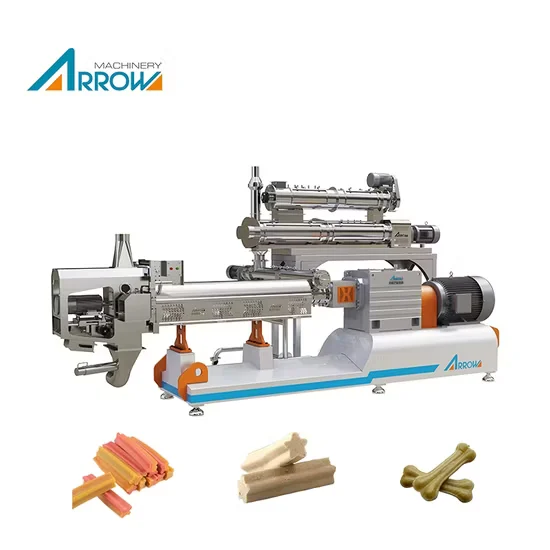
Each machine is built at the Shandong Arrow Machinery factory and supplied as a standalone unit or as part of a complete extrusion line.
01 Dry Pet Food Production Line
Automatic Twin-Screw Extruder Pet Food Production Line
View machine details 02
Dry Pet Food Production Line
Dry Dog Food Extruder for Pet Food Production Line
View machine details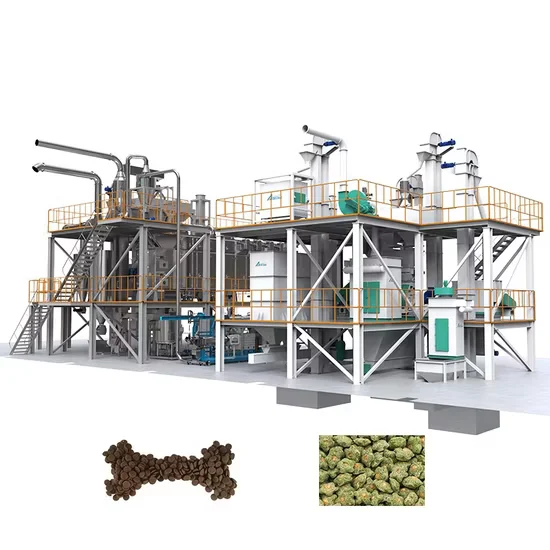 03
Dry Pet Food Production Line
Dog Food Extruder Pet Food Production Line Equipment
View machine details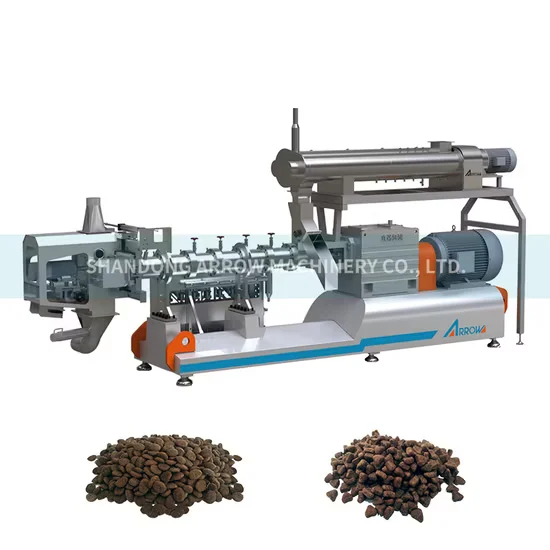 04
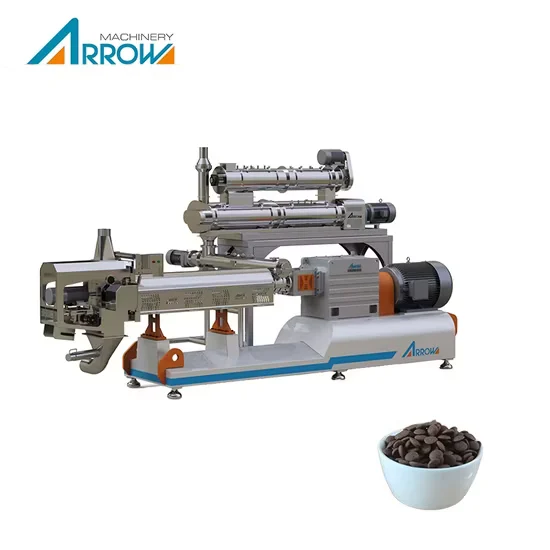
Dry Pet Food Production Line
Pet Food Production Line for Dog and Cat Kibble Manufacturing
View machine detailsFurther Reading
Related extrusion process notes


Configured Quotation
Send your formula and capacity for a configured line proposal
Shandong Arrow Machinery engineers review your raw materials, product shape and kg/h or t/h target, then propose a single machine or complete pet food, aquafeed or specialty feed line.
- Emailinfo@arrowextrusion.com
- WhatsApp+86 137 9316 7756
- FactoryNo. 47 Chengbohu Road, Jibei Subdistrict, Jiyang District, Jinan, Shandong, China
Request a Quote
Payment by T/T, L/C or Alibaba Trade Assurance. Scope, delivery time and commissioning support are stated in the formal quotation.