Choosing between a semi-automatic and fully automatic pet food line is not merely a comparison of equipment price tags. It is a strategic assessment of your factory’s current bottlenecks, labor availability, and long-term return on investment. Many investors focus solely on the initial capital expenditure, overlooking how manual interventions can disrupt thermal stability and product consistency during high-volume production.
The core distinction lies in process control and scalability. Semi-automatic lines offer flexibility for startups or facilities producing small batches of specialized treats, relying heavily on skilled operators for material transfer and monitoring. In contrast, fully automatic systems integrate PLC-controlled conveying, drying, and coating to minimize human error, ensuring uniform quality for large-scale dry kibble or aquafeed manufacturing. If your goal is consistent throughput with minimal waste, automation provides the necessary stability from mixing to packaging.
Understanding Automation Levels in Feed Processing
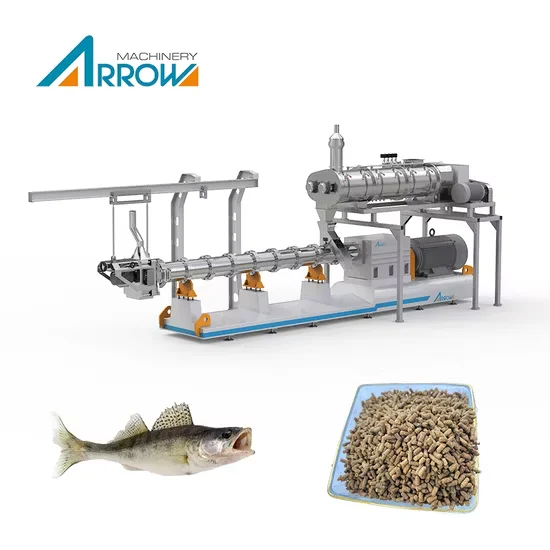
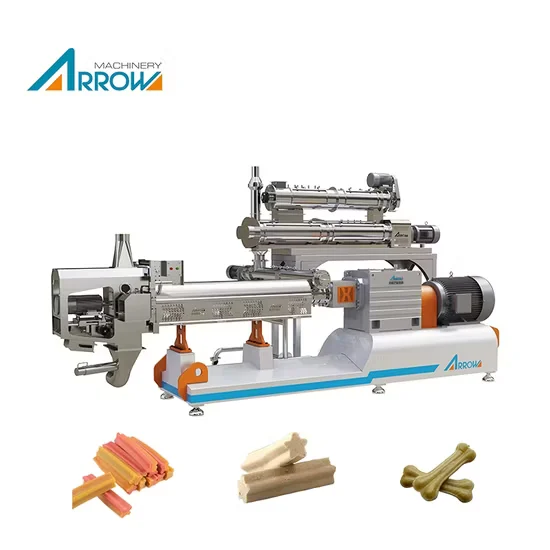
The primary difference between semi-automatic and fully automatic configurations is how material moves through the plant and how data is monitored. In a semi-automatic setup, machines such as the Twin-Screw Extruder may operate continuously, but upstream mixing and downstream drying often require manual batching or tray transfers. This disjointed flow creates gaps where moisture content can fluctuate, affecting the final texture of the pet food. Operators must constantly adjust settings based on visual cues rather than real-time sensor data.
Fully automatic lines utilize integrated conveyor systems and centralized control panels to maintain a steady flow. Ingredients move from the grinder to the mixer, then to the extruder and dryer without manual handling. This continuity is critical for maintaining precise temperature and pressure profiles during extrusion. For instance, when producing floating fish feed, even minor delays in transferring wet pellets to the dryer can alter buoyancy characteristics. Automated systems log these parameters, allowing engineers to trace quality issues back to specific process stages.
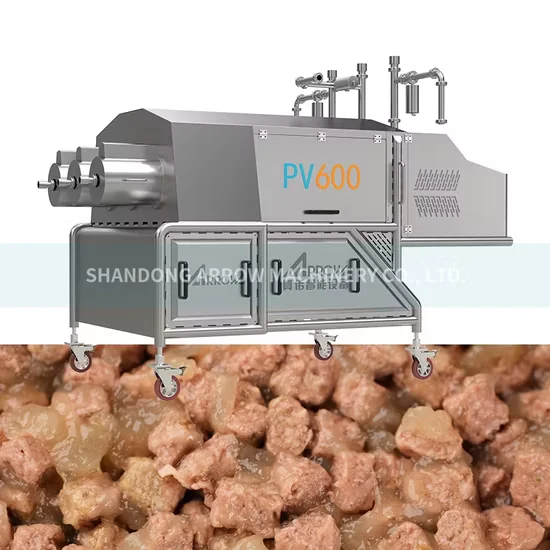
In wet food or treat production, the complexity increases. Semi-automatic lines might use standalone Single-Drum Flavoring Machines operated by staff who manually load and unload batches. While this allows for quick recipe changes, it limits output capacity. Fully automatic plants employ continuous vacuum coating systems that apply oils and flavors uniformly as products move along the belt. This method ensures every piece receives the same nutritional enrichment, which is vital for meeting strict label claims in competitive markets.
Balancing Initial Investment with Operational Costs
Investors often hesitate at the higher upfront cost of a fully automatic plant. However, this perspective ignores the ongoing expenses associated with manual operations. Semi-automatic lines require more personnel for loading, monitoring, and cleaning. Labor costs, including training and turnover, accumulate significantly over time. Additionally, manual handling increases the risk of cross-contamination and product loss, directly impacting your profit margins.
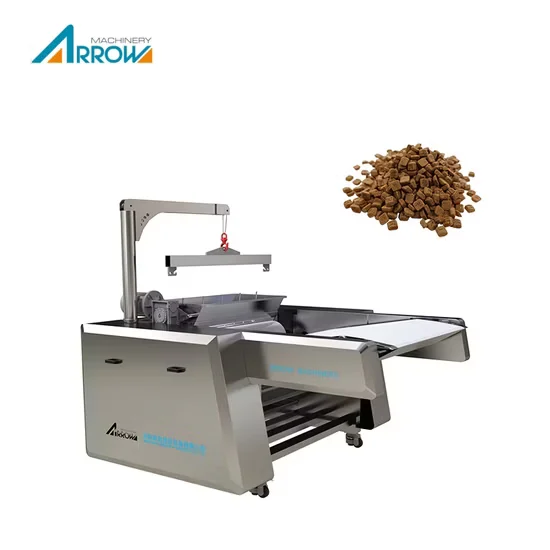
Fully automatic systems reduce dependency on large workforces. Once calibrated, these lines can run with fewer operators focused on supervision rather than physical labor. The reduction in human error leads to lower waste rates. For example, an automated Cross-Flow Circulation Dryer maintains consistent air velocity and temperature, preventing over-drying or under-drying that often occurs with manual batch management. This consistency translates to better yield per ton of raw material.
While the initial CAPEX is higher, the operational efficiency of an automatic line often results in a faster ROI for facilities targeting high volumes. The savings come from reduced energy waste, lower labor hours, and minimized product rejection. For factories planning to scale up within three to five years, investing in automation early avoids the costly disruption of retrofitting semi-automatic equipment later. It is essential to calculate total cost of ownership, including maintenance and energy consumption, rather than just the purchase price.
Production Flexibility and Scalability Considerations
Semi-automatic lines excel in environments requiring frequent recipe changes or small batch sizes. If your business model focuses on niche markets, such as exotic pet treats or custom-formulated supplements, manual control offers agility. Operators can quickly clean and reconfigure machines like hammer mills or mixers for different ingredients. This flexibility is valuable for R&D phases or contract manufacturing where clients demand diverse product specifications.
However, this flexibility comes at the expense of volume. As demand grows, the limitations of manual transfer become apparent. Bottlenecks form at points where human speed cannot match machine output. A fully automatic line is designed for standardization and high throughput. It is ideal for producing mainstream dry kibble or large quantities of sinking fish feed where product specifications remain stable over long periods. The system ensures that every batch meets the same density and moisture targets.
Scalability is another key factor. Expanding a semi-automatic plant often means adding more standalone machines and hiring more staff, which complicates workflow and increases footprint requirements. In contrast, automatic lines can be designed with modular expansion in mind. You can increase capacity by upgrading specific sections, such as adding a larger dryer or a second extruder, while keeping the central control system intact. This approach simplifies future growth and maintains process integrity.
Aligning Equipment with Facility Constraints and Team Skills
Your existing facility’s layout and utilities play a crucial role in choosing the right automation level. Semi-automatic machines are smaller and can fit into irregular spaces, making them suitable for retrofits in older buildings. They typically have lower power requirements since they do not run complex conveyor networks or automated CIP (Clean-in-Place) systems. However, they need ample floor space for manual material handling and storage of intermediate batches.
Fully automatic lines require a well-planned layout with sufficient height and linear space for conveyors and vertical elevators. Utilities such as steam, electricity, and water must be robust enough to support continuous operation. Before committing, evaluate your site’s capacity to handle these demands. A detailed plant layout analysis helps identify potential conflicts and ensures that equipment fits efficiently without compromising safety or maintenance access.
The skill level of your team is equally important. Semi-automatic operations rely on experienced operators who understand the nuances of each machine. They must know how to adjust the extruder screw speed or dryer temperature based on sensory feedback. Fully automatic systems shift the requirement from manual dexterity to technical proficiency. Staff need training in PLC troubleshooting, preventive maintenance, and data analysis. Investing in comprehensive training programs ensures your team can maximize the potential of automated equipment.
Frequently Asked Questions
Q: Can a semi-automatic pet food line be upgraded to fully automatic later?
A: Yes, but it is often complex and costly. Integrating automated conveyors and controls into existing standalone machines may require significant modification. It is usually more efficient to design the initial layout with future automation in mind, leaving space and utility connections for additional components. Consult with engineers to assess the feasibility of retrofitting your specific equipment models.
Q: How much labor can a fully automatic kibble production line actually save?
A: Automatic lines significantly reduce the number of workers needed for material handling and monitoring. Instead of multiple staff moving bags and trays, a smaller team can oversee the entire process from a control room. The exact savings depend on your capacity and current manual processes, but the shift is from physical labor to supervisory roles, improving overall operational efficiency and reducing human error.
Q: Does full automation affect the quality of specialized products like wet food or treats?
A: No, automation often improves quality consistency. Automated systems provide precise control over cooking temperatures, extrusion pressure, and drying times. For wet food, automatic retorting and sealing ensure uniform sterilization. For treats, precise coating application guarantees even flavor distribution. The key is configuring the machinery correctly for your specific recipe, which may require initial trial runs to optimize parameters.
Q: What are the maintenance requirements for an automated extrusion and drying system?
A: Automated systems require regular preventive maintenance to ensure reliability. This includes checking conveyor belts, lubricating moving parts, calibrating sensors, and inspecting electrical components. While daily manual cleaning might be reduced due to CIP systems, scheduled downtime for thorough inspection is essential. Training your maintenance team on the specific needs of PLCs and automated valves helps prevent unexpected breakdowns and extends equipment life.
To determine the best configuration for your facility, share your product formula, target capacity, and site dimensions. Our engineering team will prepare a preliminary equipment list and plant layout, comparing semi-automatic and fully automatic options to help you make an informed decision. Request a technical consultation to discuss your specific production goals.