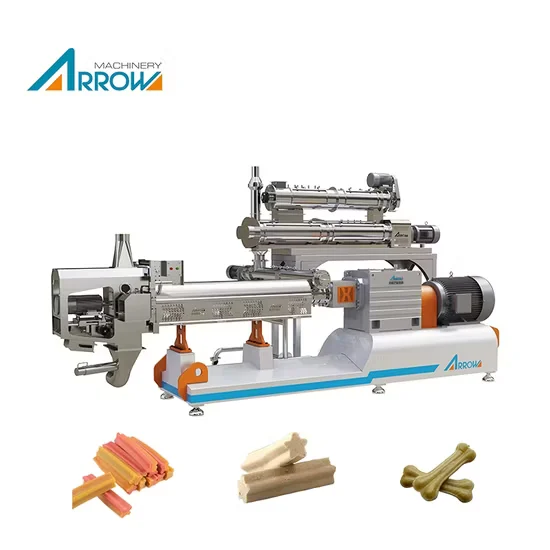
Many investors in the Middle East focus heavily on nominal capacity when planning a new facility, often overlooking how equipment material and process parameters dictate the stability of halal formulations. This oversight becomes critical when processing high fresh meat ratios or specific protein blends that behave unpredictably under thermal stress.
Selecting a Halal pet food production line requires more than just checking boxes for certification. It demands a deep understanding of how specific ingredients interact with mechanical shear and heat. The core solution lies in choosing equipment with hygienic, easy-to-clean designs to prevent cross-contamination and matching extrusion technology precisely to the rheological properties of your recipe. Without this alignment, even the most compliant factory can struggle with inconsistent kibble quality and production bottlenecks.
Hygiene Standards and Material Selection for Halal Compliance
Halal certification for pet food manufacturing extends beyond ingredient sourcing to include the entire processing environment. Auditors scrutinize the physical design of machinery to ensure no non-halal residues can remain after cleaning. This makes the choice of construction materials and surface finishes a primary concern for plant directors.
Food-grade stainless steel is the standard for all product-contact parts. However, the grade and finish matter. Surfaces must be smooth enough to prevent bacterial buildup and easy to wash down without retaining moisture. Equipment should feature minimal dead zones where dough or meat slurry could accumulate. For a halal pet food extruder, this means selecting models with quick-release barrels and screws that allow for thorough inspection and cleaning between batches.
Physical isolation is another key factor. If a facility produces both halal and non-halal products, or different types of halal proteins, the layout must prevent airborne or mechanical cross-contamination. This involves separate storage areas, dedicated conveying lines, and strict scheduling. Machines with enclosed structures and effective dust collection systems help maintain this separation. The ease of disassembly directly impacts the time required for changeovers, which is crucial for maintaining efficiency in multi-product plants.
Optimizing Extrusion for High Fresh Meat and Specific Proteins
Middle Eastern markets often favor pet foods with high inclusion rates of fresh meat or specific animal proteins. These formulations present unique challenges during extrusion. High moisture and fat content can reduce friction within the barrel, leading to poor cooking and unstable pellet shapes if the machine cannot generate sufficient shear force.
A twin-screw extruder offers superior control over these variables compared to single-screw alternatives. The intermeshing screws provide positive conveyance, allowing the machine to handle sticky, high-moisture doughs without surging. By adjusting the screw configuration, engineers can manipulate the shear profile to achieve the desired level of starch gelatinization and protein denaturation. This flexibility is essential for maintaining product consistency when raw material quality varies.
For recipes with very high fresh meat content, preconditioning becomes vital. Adding steam and water before the extruder helps stabilize the flow and initiates cooking. The extruder then finishes the cooking process under controlled temperature and pressure. This two-stage approach ensures that the final kibble has the right texture and density. It also prevents the common issue of cutter lag, where the dough is too soft to be cut cleanly, resulting in misshapen pellets.
Drying and Coating Strategies for Shelf Stability and Palatability
Once the kibble is formed, removing moisture efficiently is critical for shelf life. Inconsistent drying can lead to mold growth or brittle products that break during packaging. A cross-flow circulation dryer is often preferred for its ability to provide uniform airflow across the product bed. This method ensures that each piece of kibble dries at the same rate, preventing case hardening where the outside dries too fast while the inside remains moist.
After drying, coating adds flavor and nutritional value. For high-fat diets, vacuum coating machines are the optimal choice. Applying oil under vacuum allows the fat to penetrate the porous structure of the kibble rather than just sitting on the surface. This results in a less greasy feel and better flavor retention. For heat-sensitive additives like vitamins or enzymes, vacuum coating also protects their integrity by avoiding high temperatures.
In contrast, single or double-drum flavoring machines are suitable for surface application of dry powders or lighter liquid sprays. The choice between vacuum and drum coating depends on the target fat percentage and the type of attractants used. Integrating these systems properly ensures that the final product meets both nutritional labels and palatability expectations. A well-balanced Halal pet food production line synchronizes the output of the extruder with the capacity of the dryer and coater to avoid bottlenecks.
Engineering Support for Turnkey Plant Implementation
Building a new factory involves more than buying machines. It requires a cohesive plan that integrates utilities, workflow, and regulatory requirements. Suppliers who offer turnkey solutions can guide investors through layout optimization, ensuring that material flow is logical and maintenance access is adequate. This holistic approach reduces the risk of costly modifications after installation.
Process testing is a crucial step before finalizing equipment specifications. Running trials with actual raw materials helps identify potential issues with screw configuration or drying times. This data allows for precise adjustments to the machine setup. Without these trials, scaling up from lab to production can lead to unexpected quality deviations.
Post-installation support is equally important. Training local operators on proper startup, shutdown, and cleaning procedures ensures long-term reliability. Spare parts availability and technical assistance for troubleshooting minimize downtime. When evaluating partners, look for those who provide detailed documentation and clear communication throughout the project lifecycle. This support structure is vital for maintaining the integrity of a halal pet food extruder system and ensuring continuous compliance.
Frequently Asked Questions
Q: What specific machine materials are required to meet halal certification for pet food lines?
A: All product-contact surfaces must be made of food-grade stainless steel, typically 304 or 316 grade, with smooth finishes to prevent residue buildup. The design should minimize dead zones and allow for easy disassembly for thorough cleaning. Non-contact parts should be coated with durable, non-toxic paint. Documentation proving material compliance is essential for auditors.
Q: How does a twin-screw extruder handle high fresh meat ratios in halal recipes?
A: Twin-screw extruders provide positive conveyance and adjustable shear forces, making them ideal for sticky, high-moisture doughs. They can process high fresh meat inclusions without surging or poor cooking. By configuring screw elements and using preconditioning, the machine ensures proper starch gelatinization and stable pellet formation, even with challenging formulations.
Q: Can the drying and coating systems prevent cross-contamination between different batches?
A: Yes, proper design includes enclosed systems with effective dust collection and easy-clean surfaces. For strict separation, dedicated lines or rigorous cleaning protocols between batches are necessary. Vacuum coaters, being closed systems, offer better containment than open drums. Layout planning should also consider air flow and material handling paths to minimize cross-contact risks.
Q: What engineering support is provided for setting up a new halal pet food plant in the Middle East?
A: Comprehensive support includes plant layout design, utility planning, and equipment configuration based on local conditions. Suppliers often assist with installation supervision, operator training, and commissioning. Process trials with customer ingredients help optimize parameters before full-scale production. Ongoing technical support and spare parts supply ensure long-term operational stability.
To ensure your facility meets both production goals and compliance standards, share your specific formula and capacity requirements. Our team can provide a customized line proposal, including detailed layout drawings and technical specifications for review.