Many investors comparing twin-screw pet food extruder alternatives fall into the trap of focusing solely on nameplate horsepower or barrel length. They overlook a critical reality: formula scaling issues often stem from mismatched shear heat control and downstream drying capacity, not just the extruder itself. This disconnect leads to inconsistent moisture levels and product damage, turning a promising production line into a bottleneck of operational headaches.
Selecting the right equipment requires evaluating the entire process flow. You must assess how screw configuration, temperature profiling, and forming mechanics integrate with drying and coating systems. A standalone machine might meet lab specs, but only an engineered line ensures that raw material behavior translates consistently into commercial throughput. The goal is system harmony, where every component supports the specific rheological needs of your recipe.
Beyond Nameplate Specs: Mastering Shear and Thermal Profiles
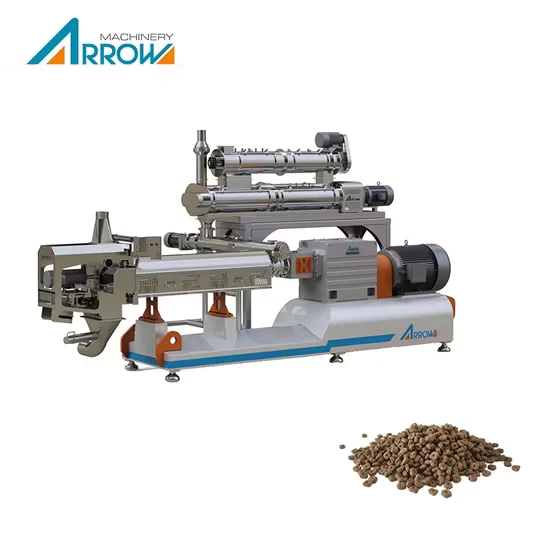
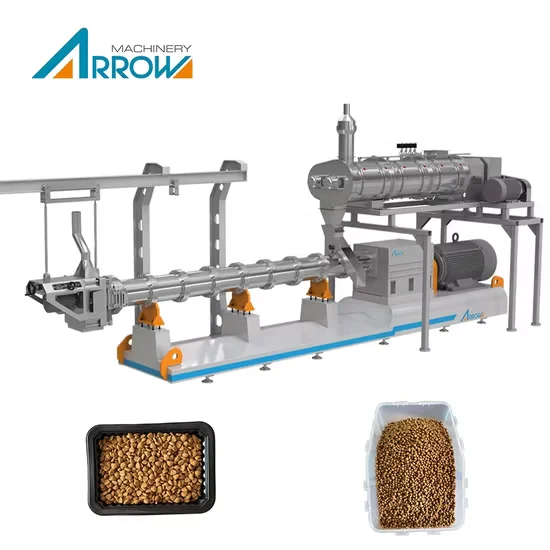
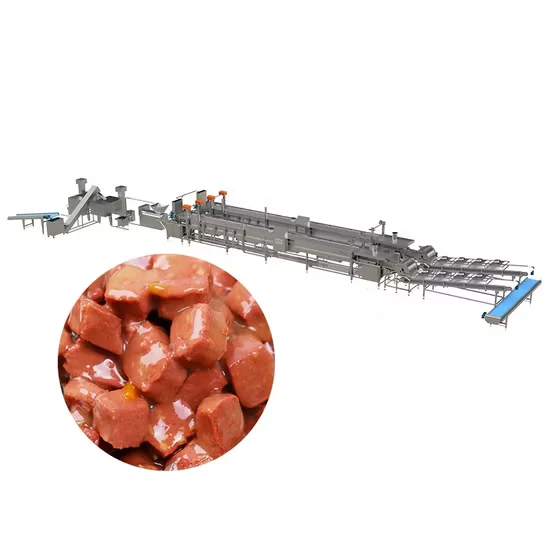
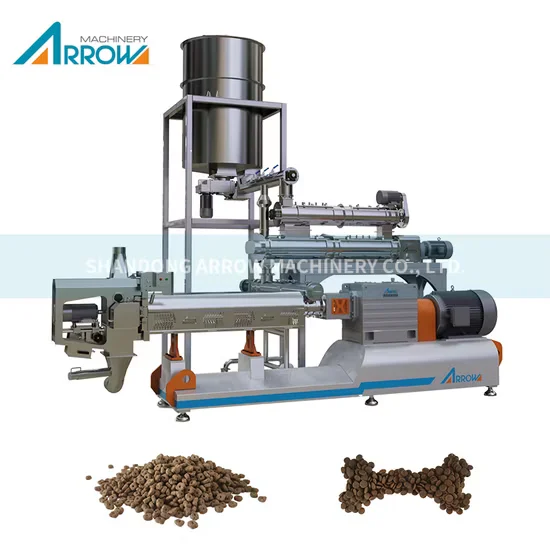
The core of any extrusion system lies in its ability to manage energy input. In pet food production, especially for high-meat inclusion kibble or textured wet food chunks, the mechanical energy converted to heat determines starch gelatinization and protein denaturation. Twin-screw designs offer superior control over this process compared to single-screw units because they allow for independent adjustment of screw speed and feed rate. This flexibility is vital when handling ingredients with varying bulk densities or fat contents.
Screw configuration is not a one-size-fits-all solution. For dense, meat-rich formulas, conveying elements must be balanced with kneading blocks to ensure homogeneous mixing without excessive thermal degradation. If the shear is too high, proteins can burn, affecting palatability and nutritional value. If it is too low, the product may lack the necessary structural integrity or expansion. Evaluating twin-screw pet food extruder alternatives means asking suppliers how they customize screw profiles for your specific ingredient matrix. Do they offer modular screw elements that can be rearranged for different product lines? This adaptability is crucial for manufacturers planning to produce both dry kibble and semi-moist treats on the same platform.
Temperature control zones also play a pivotal role. Precise heating and cooling at each barrel section allow operators to maintain optimal viscosity during forming. This precision minimizes the deviation between laboratory trials and full-scale production. When assessing suppliers, look for those who prioritize process consultation. They should analyze your raw materials before specifying the machine, ensuring the thermal profile matches your formulation’s requirements rather than offering a generic setup.
Integrating Upstream and Downstream Systems for Stability
An extruder does not operate in isolation. Its performance is heavily dependent on the consistency of upstream feeding and the efficiency of downstream drying. A common failure point in new plants is the mismatch between extrusion output and drying capacity. If the dryer cannot handle the moisture load from the extruder, the line must slow down, negating the benefit of a high-capacity extruder. Conversely, an oversized dryer wastes energy and may over-dry the product, leading to brittleness.
The interface between the extruder and the dryer is critical. For instance, a Cross-Flow Circulation Dryer provides uniform air distribution, which is essential for maintaining consistent moisture content across all pellets. However, the airflow dynamics must align with the pellet size and density produced by the extruder. If the extruder produces irregular shapes due to poor die design or unstable pressure, the drying process becomes uneven. Therefore, when reviewing twin-screw pet food extruder alternatives, consider how the supplier integrates these stages. Do they engineer the conveying system to minimize product breakage before drying? Do they coordinate the thermal load between the extruder’s steam conditioning and the dryer’s heat source?
Coating is another stage where integration matters. High-fat diets require precise application methods to avoid greasy surfaces or uneven flavor distribution. A Vacuum Coating Machine allows for deeper fat penetration, which is ideal for premium palatability enhancers, while drum flavorers suit surface seasoning. The choice depends on your target product characteristics. A supplier who understands these nuances will recommend a coating system that complements the extrusion output, ensuring the final product meets quality standards without manual intervention.
Turnkey Engineering Versus Standalone Machine Sourcing
Buying individual machines from different vendors may seem cost-effective initially, but it often leads to coordination gaps. Each supplier optimizes their equipment for its own performance metrics, not necessarily for the line’s overall efficiency. This fragmentation can result in incompatible control systems, mismatched capacities, and ambiguous responsibility during commissioning. In contrast, a turnkey approach consolidates engineering and commercial scope into a single proposal.
Source manufacturers like Arrow Machinery provide complete production lines, from grinding and mixing to extrusion, drying, and packaging. This integrated coverage ensures that utility requirements—such as steam, electricity, and water—are balanced across the entire plant. For example, the steam demand of the preconditioner must align with the boiler capacity, and the electrical load of the extruder must fit the facility’s power supply. A unified engineering team can optimize these parameters during the layout phase, reducing the risk of costly retrofits later.
Moreover, turnkey solutions simplify project management. Instead of coordinating multiple installation teams and service contracts, you deal with one entity responsible for the entire process. This clarity extends to factory acceptance testing and overseas commissioning. The supplier can verify that each module performs correctly within the context of the whole line, ensuring that the system breathes together as designed. For investors planning new factories or major expansions, this holistic approach reduces uncertainty and accelerates time to market.
Commercial Transparency and Long-Term Support
The quotation phase is where technical promises meet commercial reality. A transparent quote should detail every component, from motor brands to control system specifications. It should clearly define the scope of supply, including installation, training, and spare parts. Ambiguity here often leads to hidden costs during implementation. When evaluating twin-screw pet food extruder alternatives, request itemized configurations that specify model numbers, capacities, and material grades.
Post-sales support is equally critical. Extrusion equipment undergoes significant wear, particularly in screws and barrels. Access to genuine spare parts and technical expertise ensures minimal downtime. Suppliers should offer structured training programs for operators and maintenance staff, covering both routine operations and troubleshooting. Additionally, the availability of remote support or on-site engineering services can make a significant difference during startup and ongoing production. Confirm these support arrangements in the contract, ensuring they align with your operational needs and local regulations.
Frequently Asked Questions
Q: How do I ensure my lab recipe scales up correctly in a commercial twin-screw extruder?
A: Scaling up requires matching the specific mechanical energy and residence time of the lab extruder to the commercial unit. Share your raw material formulations and target product characteristics with the supplier. They should conduct trials using your actual ingredients to adjust screw configuration and thermal profiles. This data-driven approach minimizes deviations in texture, density, and moisture content during full-scale production.
Q: What are the critical integration points between the extruder and the drying system?
A: The primary integration points are capacity matching and moisture transfer. The dryer must handle the maximum output of the extruder without creating bottlenecks. Additionally, the particle size and shape produced by the extruder affect airflow resistance in the dryer. Ensure the supplier designs the conveying and distribution systems to maintain product integrity and achieve uniform drying, preventing case hardening or uneven moisture levels.
Q: Can I upgrade my existing pet food line with a new extruder without rebuilding the whole plant?
A: Yes, modular upgrades are possible. A new extruder can replace an old one if the footprint and utility connections are compatible. However, you must verify that the downstream drying and coating systems can handle the new output capacity and product characteristics. The supplier should assess your current layout and equipment duties to propose a configuration that integrates smoothly with your existing infrastructure.
Q: What technical documents and factory acceptance tests should I request before placing an order?
A: Request detailed technical specifications, including motor powers, screw dimensions, and material certificates. Factory acceptance tests should demonstrate the machine’s performance under agreed conditions, such as throughput and stability. Ensure the contract includes provisions for reviewing these test results and specifies the documentation required for shipping, installation, and compliance with local safety standards.
Send your product formula, target capacity, and factory dimensions to receive a customized technical specification sheet and production line layout. Discuss your raw material challenges with our engineering team to explore trial options and ensure your equipment selection aligns with your quality goals.