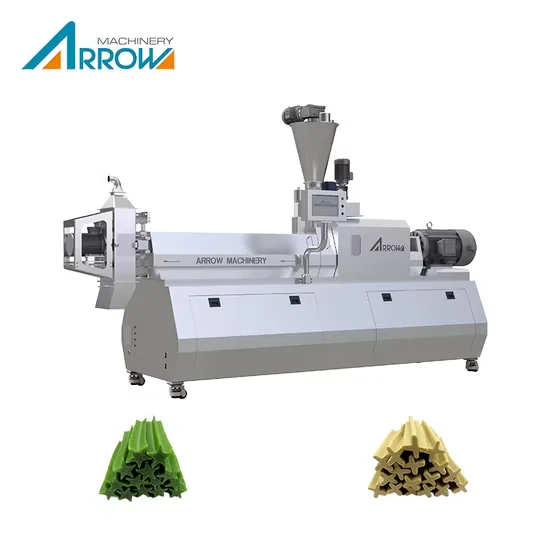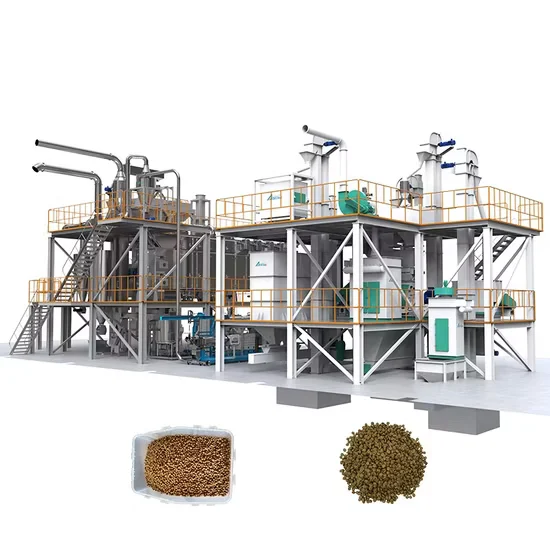
When ambient humidity breaches critical thresholds, microscopic condensation inside your pet food production line’s electrical cabinets can short-circuit expensive inverter drives or destroy the core PLC modules of your extruder and dryer. This is not a theoretical risk; it is a recurring operational nightmare in tropical and subtropical manufacturing environments. A single moisture-induced failure can halt an entire kibble or treat line for days, causing massive revenue loss and missed delivery deadlines.
Effective electrical panel care humid climates demands more than basic gasket sealing. It requires a layered defense strategy combining active dehumidification, positive pressure ventilation, and rigorous thermal imaging inspections. By addressing moisture ingress proactively, you protect the automation backbone of your Twin-Screw Extruder and drying systems, ensuring consistent throughput and minimizing unplanned downtime.
Why Humidity Is the Silent Killer of Pet Food Line Electrical Panels
Pet food and aquafeed processing involves significant water usage, steam injection, and high-temperature drying. In facilities located in humid regions, the combination of internal process moisture and external atmospheric humidity creates a perfect storm for electrical failures. The threat is not just direct water splash from cleaning routines, but invisible condensation forming on cold metal surfaces within control cabinets.
When warm, moist air enters an electrical enclosure and contacts cooler components like circuit boards or terminal blocks, water droplets form. This condensation leads to corrosion of copper traces, short circuits between closely spaced pins on PLCs, and erratic sensor signals. For instance, a drifting signal from a moisture sensor in a dryer feedback loop can cause the system to over-dry or under-dry product, ruining batch consistency.
The risk is amplified in areas with high washdown frequency, such as near wet food meat chunk processing lines or coating sections. If seals are compromised, mist and humidity penetrate the enclosure. Over time, this degrades insulation resistance, leading to ground faults that trip variable frequency drives (VFDs). Understanding these mechanisms is the first step in implementing effective electrical panel care humid climates protocols.
Tip 1: Upgrade Panel Sealing and Implement Positive Pressure
Standard rubber gaskets degrade over time due to heat cycles and exposure to cleaning chemicals. Regularly inspect and replace aging seals on all cabinet doors, cable entry points, and viewing windows. Ensure that the ingress protection (IP) rating of your enclosures matches the environmental demands of your facility, particularly in zones prone to steam or high-pressure washing.
However, sealing alone is insufficient if the internal air becomes saturated. Implementing a micro-positive pressure system is a highly effective countermeasure. By filtering dry, clean air into the cabinet at a slightly higher pressure than the surrounding environment, you ensure that air flows outward through any minor gaps. This prevents humid, dust-laden air from being sucked in during temperature fluctuations or door openings.
This approach is especially crucial in grinding and mixing sections where fine particulate matter can combine with moisture to create conductive sludge on components. A positive pressure setup keeps the interior of your control panels clean and dry, extending the lifespan of sensitive electronics in your pet food line electrical maintenance routine.
Tip 2: Install Active Dehumidification and Climate Control
Relying solely on exhaust fans to cool electrical cabinets is a common mistake in humid climates. Fans merely exchange internal air with external air. If the outside air is hot and humid, you are actively introducing moisture into the enclosure. When this warm, moist air hits cooler internal components, condensation occurs rapidly.
Instead, install cabinet-specific air conditioners or desiccant dehumidifiers. These units cool the internal air below its dew point and remove moisture before recirculating it. For large central control rooms housing the main PLCs for an entire turnkey plant, dedicated industrial HVAC systems with precise humidity control are essential. This ensures that the brain of your operation remains in a stable, dry environment regardless of external weather conditions.
For smaller local panels controlling individual machines like a Vacuum Coating Machine or a hammer mill, compact dehumidification units can be mounted directly inside the enclosure. This targeted approach prevents localized hotspots of humidity that often lead to unexpected failures in specific process stages. Proper climate control is a cornerstone of control panel moisture protection.
Tip 3: Apply Conformal Coating and Anti-Condensation Heaters
Even with excellent sealing and climate control, residual moisture can persist. Applying a conformal coating to printed circuit boards (PCBs) provides a critical secondary layer of defense. This thin polymeric film protects electronic circuits from corrosion, leakage currents, and short circuits caused by moisture and contaminants. It is particularly recommended for boards located in environments with high variability in temperature and humidity.
Additionally, install anti-condensation heaters at the bottom of electrical cabinets. These low-wattage heaters maintain the internal temperature slightly above the ambient dew point, preventing water vapor from condensing on cold metal surfaces during night-time temperature drops. This is a simple yet highly effective measure for extruder electrical cabinet cooling and protection strategies.
Ensure that heaters are thermostatically controlled to avoid overheating components. The goal is to keep the cabinet interior dry, not hot. Combining conformal coating with active heating addresses the root causes of moisture-related failures, providing long-term reliability for your automation systems.
Tip 4: Establish a Routine Thermal Imaging and Inspection Schedule
Preventive maintenance is far cheaper than emergency repairs. Implement a scheduled inspection routine that includes thermal imaging scans of electrical panels. Thermal cameras can detect abnormal heat patterns caused by loose connections, overloaded circuits, or early-stage insulation breakdown due to moisture. Identifying these hotspots before they lead to component failure allows for planned interventions during scheduled shutdowns.
Regularly clean or replace air filters on cabinet cooling units and check the integrity of seals. Look for signs of corrosion on terminal blocks or discoloration on PCBs. Document these inspections to track trends and identify recurring issues. This proactive approach to industrial dryer panel humidity management ensures that your maintenance team can address potential problems before they escalate into production-stopping events.
Frequently Asked Questions
Q: How often should electrical panels in a pet food plant be inspected in humid climates?
A: In high-humidity environments, monthly visual inspections and quarterly thermal imaging scans are recommended. Check seals, filters, and heater functionality regularly. Increase frequency during seasonal monsoon periods or if the facility undergoes frequent washdowns. Consistent monitoring helps detect early signs of moisture ingress before they cause critical failures in your production line.
Q: Can standard cooling fans be used inside extruder and dryer control cabinets?
A: Standard fans are generally discouraged in humid climates because they draw in moist external air, increasing condensation risk. Instead, use sealed cabinet air conditioners or dehumidifiers that recirculate and dry internal air. If fans are necessary for specific heat loads, ensure they are part of a filtered, positive-pressure system that prevents unconditioned humid air from entering the enclosure.
Q: What are the signs of moisture damage in a pet food production line electrical panel?
A: Look for corrosion on copper traces, green or white deposits on terminals, foggy or discolored PCBs, and erratic behavior in PLCs or VFDs. Frequent unexplained tripping of circuit breakers, flickering indicator lights, or sensor drift can also indicate moisture issues. Early detection through regular inspection prevents costly downtime and component replacement.
Q: Does Arrow Machinery provide climate-specific electrical configurations for overseas factories?
A: Yes, equipment selection and configuration consider local utilities and environmental conditions. During the technical review phase, we discuss specific requirements such as humidity control, IP ratings, and cooling needs. This ensures that the proposed solution, whether for a standalone machine or a complete line, is suitable for your factory’s specific climate and operational constraints.
If you are planning a new facility or upgrading an existing line in a challenging climate, do not leave electrical reliability to chance. Share your raw material formulation, target capacity, and local environmental conditions with our engineering team. We will help you design a production system with appropriate electrical protections, ensuring stable operation from day one. Request a custom quotation or discuss your turnkey project requirements today.