Residual dough and baked-on fats in forming molds do not just ruin the shape of your pet kibble. They silently accelerate die wear and cause costly production line stoppages. When operators spend hours drilling out dried meat paste from tiny holes, shift output collapses. Proper baked pet food forming machine mold cleaning is not merely a housekeeping task. It is a critical process control step that protects daily throughput and ensures product shape consistency.
The core solution lies in establishing a standardized maintenance protocol that prioritizes gentle physical removal and controlled chemical soaking over aggressive scraping. By integrating specific cleaning routines into pre- and post-shift checks, factories can prevent thermal carbonization buildup and extend the operational life of forming dies. This approach minimizes unplanned downtime and maintains the precise dimensional accuracy required for premium baked treats.
Understanding Residue Buildup in Baked Pet Food Forming
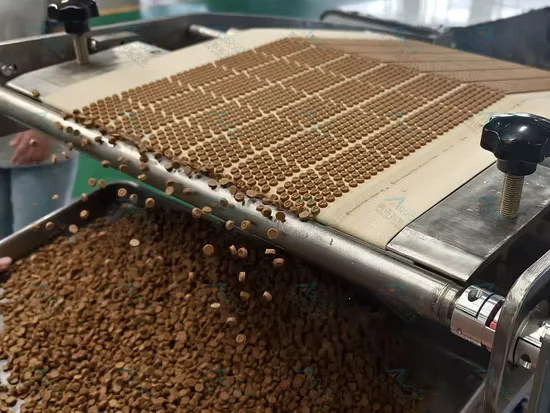
High-meat formulations and starch-based matrices behave differently under heat and pressure. In baked pet food production, the dough often contains significant levels of fresh meat or animal fats to enhance palatability. As this mixture passes through the forming die, the combination of mechanical shear and thermal exposure causes proteins to denature and fats to oxidize on the metal surface. Over time, these residues undergo thermal carbonization, creating a hard, baked-on layer that is difficult to remove.
This buildup is not uniform. Areas with complex geometric shapes or smaller diameter holes are more prone to clogging. The residual material acts as an insulator, altering the heat transfer profile during subsequent runs. This can lead to uneven baking and inconsistent texture in the final product. Furthermore, the accumulated residue reduces the effective diameter of the die holes, changing the flow dynamics and potentially causing back-pressure issues in the extrusion or forming stage upstream.
For facilities running multiple recipes, the challenge intensifies. Switching from a high-fat formula to a low-fat one without thorough cleaning can contaminate the new batch. The old residue may flake off, creating visual defects in the new product. Understanding how specific ingredients interact with the die surface is the first step in designing an effective baked pet food forming machine mold cleaning strategy. It requires recognizing that the problem starts with the formulation and process conditions, not just the end-of-shift cleanup.
Step-by-Step Mold Cleaning Procedures
Effective cleaning begins immediately after shutdown, while the mold is still warm but not hot enough to cause burns or thermal shock. Never attempt to clean a cold, hardened die with force, as this risks damaging the precision-machined surfaces. Start by removing bulk material using soft brass or plastic tools. These materials are softer than the stainless steel die, preventing scratches that could harbor bacteria or accelerate future buildup.
Once the bulk residue is removed, prepare a soaking solution. Use a mild, food-grade alkaline cleaner designed to break down proteins and fats. Avoid harsh acids or chlorinated cleaners, which can corrode the metal and compromise the structural integrity of the die. Submerge the mold in the solution for the recommended time, typically ranging from 30 minutes to several hours depending on the severity of the buildup. This soaking process softens the carbonized layers, making them easier to remove.
After soaking, use nylon brushes to gently scrub the die holes. For stubborn deposits, wooden picks or specialized non-metallic probes can be used to clear individual holes. Avoid using wire brushes or steel wool, as these will leave microscopic scratches. These scratches become nucleation points for new residue accumulation, creating a vicious cycle of faster buildup and harder cleaning. Rinse the mold thoroughly with clean water to remove all cleaning agent traces.
Dry the mold completely before storage. Moisture left on the surface can lead to rust or pitting, especially in humid environments. Use compressed air to blow out any remaining water from the die holes. Inspect the die under good lighting to ensure all holes are clear and the surface is smooth. This meticulous attention to detail during the cleaning phase directly impacts the quality of the next production run.
Daily and Weekly Maintenance Routines
Consistency is key to extending die life. Implement a standardized checklist for operators to follow at the end of every shift. This checklist should include steps for bulk removal, initial wiping, and proper storage. Documenting any issues, such as difficult-to-clean holes or visible wear, allows the maintenance team to address problems before they escalate. Regular communication between production and maintenance teams ensures that cleaning protocols are followed correctly.
On a weekly basis, perform a more thorough inspection. Check for signs of wear on the die face, such as rounding of the hole edges or surface pitting. Measure the diameter of critical holes to detect any deformation. If the die shows significant wear, it may need polishing or replacement. Polishing should be done by professionals using fine-grit abrasives to restore the surface finish without altering the dimensions.
Proper storage is equally important. Store cleaned dies in a dry, dust-free environment. Apply a thin layer of food-grade oil to the surface to protect against corrosion. Avoid stacking heavy objects on top of the dies, as this can cause bending or distortion. Label each die with its specification and last cleaning date to facilitate easy identification and rotation.
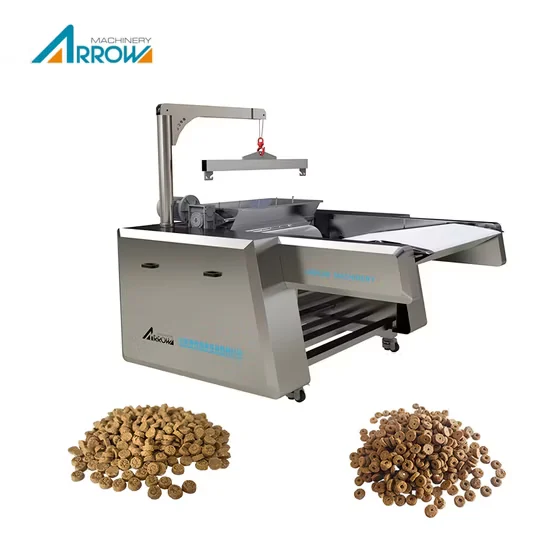
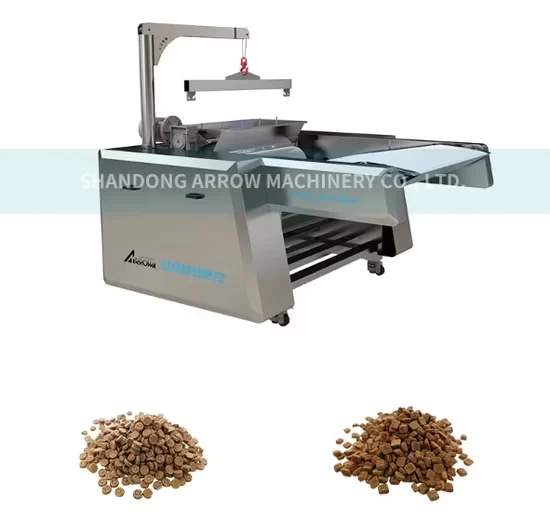
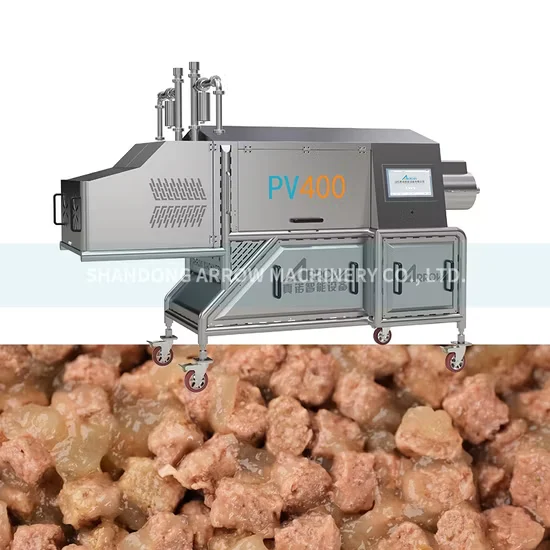
Integrating these routines into the overall plant maintenance schedule helps identify trends. If a particular die requires frequent cleaning, it may indicate an issue with the upstream process, such as inconsistent dough moisture or temperature. Addressing these root causes can reduce the cleaning burden and improve overall efficiency. The Baked Pet Food Forming Machine is designed for durability, but its longevity depends on how well it is maintained.
Common Cleaning Mistakes That Damage Forming Molds
One of the most common mistakes is using abrasive tools like steel wool or wire brushes. While these may seem effective at removing tough residue, they scratch the stainless steel surface. These scratches create rough areas where food particles can lodge, making future cleaning even more difficult. Over time, this leads to permanent damage and reduced die life. Always use non-metallic tools for cleaning.
Another frequent error is washing hot molds with cold water. This rapid temperature change causes thermal shock, which can warp or crack the die. Warped dies do not seal properly against the machine face, leading to leakage and inconsistent product formation. Always allow the mold to cool to a safe handling temperature before introducing any liquids.
Using strong industrial degreasers or acidic cleaners is also risky. These chemicals can react with the metal, causing corrosion or pitting. Pitted surfaces are rough and prone to holding onto residue. Stick to mild, food-safe cleaners that are specifically formulated for food processing equipment. If a stronger cleaner is necessary, consult the equipment manufacturer for recommendations.
Prolonged soaking in inappropriate solutions can also damage the mold. Some cleaners may attack the metal if left for too long. Follow the manufacturer’s instructions for soaking times and concentrations. Rinse thoroughly after soaking to remove all chemical residues. Failure to do so can contaminate the next batch of product and pose safety risks.
Frequently Asked Questions
Q: How often should I clean the molds of a baked pet food forming machine?
A: Cleaning frequency depends on the formulation and production schedule. For high-meat or high-fat recipes, clean the mold at the end of every shift to prevent buildup. For simpler starch-based formulas, a thorough cleaning every few days may suffice, but daily inspection is recommended. Always clean before changing recipes to avoid cross-contamination and ensure product consistency.
Q: Can I use standard industrial degreasers for cleaning forming dies?
A: It is generally not recommended. Standard industrial degreasers may contain harsh chemicals that can corrode stainless steel or leave toxic residues. Use food-grade, alkaline cleaners specifically designed for food processing equipment. These cleaners effectively break down proteins and fats without damaging the metal surface or posing safety risks to consumers.
Q: What are the signs that a forming mold needs replacement instead of cleaning?
A: Look for visible wear such as rounded hole edges, deep scratches, or pitting that cannot be polished out. If the die is warped or cracked, it must be replaced. Consistent product defects, such as irregular shapes or size variations, despite proper cleaning and process settings, may also indicate that the die is worn out and needs replacement.
Q: Does Arrow provide specific maintenance manuals for baked food forming machines?
A: Yes, detailed operation and maintenance manuals are provided with each machine. These documents include specific cleaning guidelines, recommended cleaning agents, and troubleshooting tips. Additionally, technical support is available to help optimize maintenance routines based on your specific production requirements and raw material characteristics.
To ensure your production line operates at peak efficiency, request the technical specifications and layout options for the Baked Pet Food Forming Machine. Share your raw material formulation and target capacity to receive a customized configuration that aligns with your process needs. Our engineering team can also discuss trial options to validate performance before finalizing your investment.