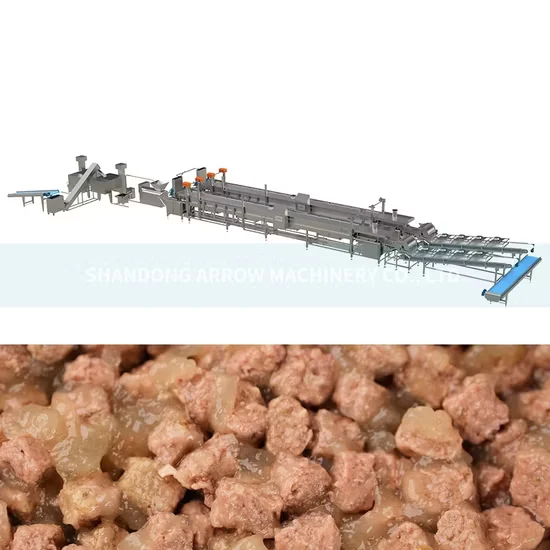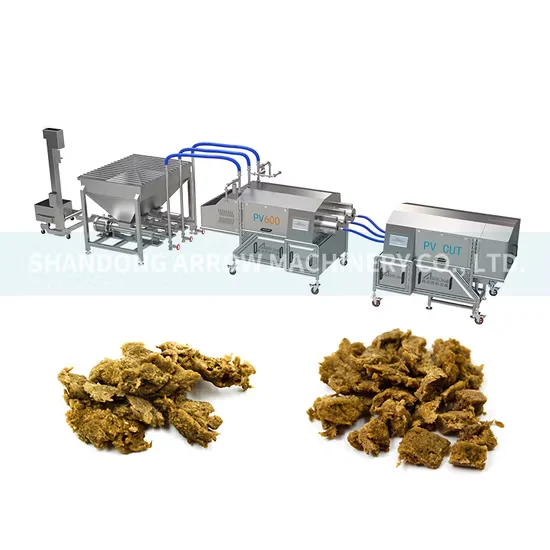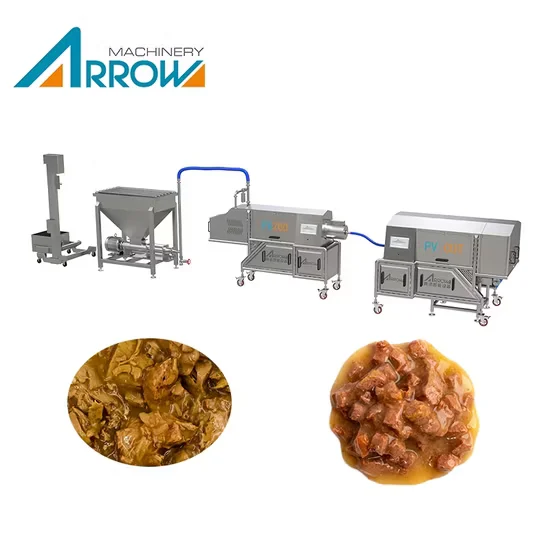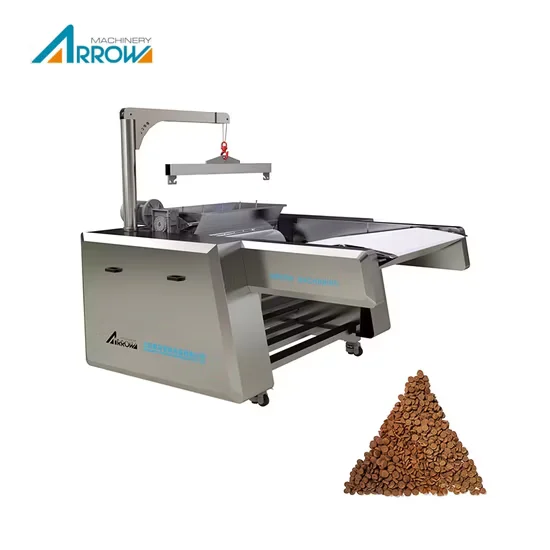
The stench of rotting protein inside a twin-screw barrel is a smell no production manager ever forgets. I learned this the hard way after a high-moisture chicken trial where we skipped proper flushing, only to find the die clogged and the batch ruined by bacterial growth overnight. Wet pet food lines operate in a dangerous zone where high water activity and fresh meat residues create an ideal environment for rapid microbial proliferation. Relying on a single cleaning method not only increases the risk of cross-contamination but also traps contract manufacturers in a cycle of excessive downtime and lost capacity.
Effective wet pet food line cleaning requires a hybrid approach that combines automated CIP (Clean-in-Place) systems for pipelines and tanks with rigorous manual disassembly and washing of critical extrusion components. This dual strategy ensures compliance with food safety standards while minimizing the hours your plant sits idle between batches. By understanding which parts can be cleaned automatically and which demand hands-on attention, you can protect your product quality without sacrificing throughput.
The Unique Hygiene Risks in Wet Pet Food Manufacturing
Wet pet food processing differs significantly from dry kibble production due to the high moisture content and the frequent use of fresh or frozen meat ingredients. Products like meat chunks, texturized wet food, and pet sauces contain proteins and fats that adhere strongly to stainless steel surfaces. If these residues are not removed immediately and thoroughly, they become a breeding ground for pathogens such as Salmonella and Listeria. The risk is compounded in continuous production lines where upstream mixing and downstream coating stages connect directly to the extruder.
In a typical wet food setup, the material passes through high-shear zones in the extruder and then into holding tubes or retorts. Any stagnation point in this flow path can harbor biofilms that resist standard sanitizers. For factories producing multiple flavors or formulations, the threat of cross-contamination is equally critical. A trace amount of beef residue in a chicken-based batch can lead to labeling errors and costly recalls. Therefore, the design of your wet pet food line cleaning protocol must account for both microbiological safety and allergen control.
Optimizing CIP Systems for Pipeline and Tank Hygiene
CIP systems are the backbone of daily hygiene for the non-extrusion sections of your plant. These automated systems circulate cleaning solutions through pipes, mixers, and storage tanks at controlled temperatures and velocities. For a wet food line, the CIP cycle typically involves a pre-rinse to remove loose soil, an alkaline wash to break down fats and proteins, an intermediate rinse, an acid wash to remove mineral scales, and a final sanitizing rinse. The efficiency of this process depends on maintaining turbulent flow within the pipes, ensuring the cleaning agent physically scrubs the internal walls.
Integrating a CIP system into your workflow reduces the labor burden and improves consistency compared to manual hose-downs. However, it is essential to verify that your equipment supports full drainage. Dead legs or poorly sloped piping can trap wastewater, negating the benefits of the automated cycle. When configuring a complete production line, engineers should ensure that all product-contact surfaces in the mixing and pumping stages are accessible to the CIP spray balls and return lines. This integration allows for rapid turnover between shifts, keeping the focus on production rather than prolonged sanitation efforts.
Manual Washing Protocols for Extruder Cores
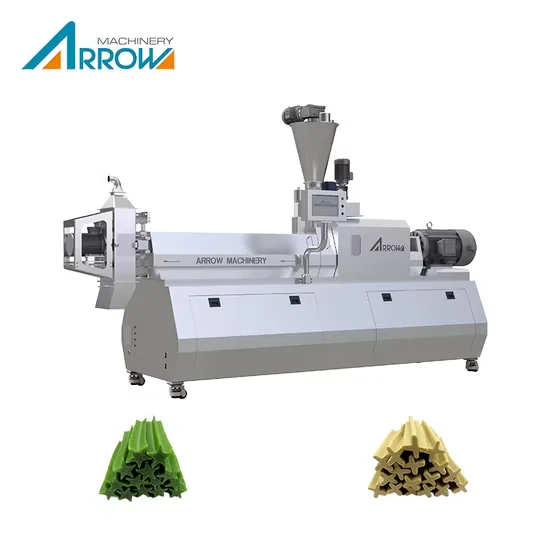
While CIP handles the peripheral equipment, the heart of the wet food line—the twin-screw extruder—requires manual intervention. The screw elements, barrel segments, and forming dies accumulate dense, cooked protein matrices that automated sprays cannot fully dissolve. Attempting to clean these components without disassembly often leads to degraded product quality in the next run, as charred material from previous batches mixes with fresh feed.
A standard manual washing protocol begins with purging the extruder with a soft cleaning compound or warm water to push out the bulk of the product. Once the machine is cool enough to handle safely, operators must dismantle the screw configuration and remove the die plate. Each screw element should be soaked in an enzymatic cleaner designed to break down stubborn protein bonds. After soaking, visual inspection is crucial to check for wear on the flight edges and corrosion in the barrel liners. Reassembling the extruder with clean, dry components prevents water spots and ensures precise torque alignment during startup. This hands-on step is non-negotiable for maintaining the mechanical integrity and hygienic status of your Twin-Screw Extruder.
Balancing Cleaning Efficiency with Production Uptime
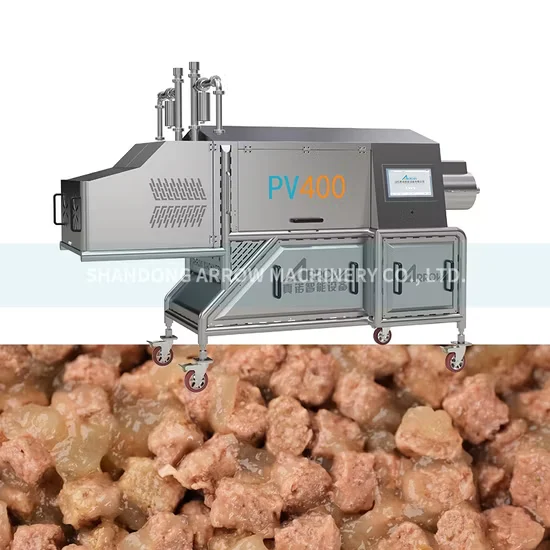
Minimizing downtime during cleaning is a constant challenge for plant managers. The key lies in scheduling and parallel processing. While the extruder crew is manually dismantling and washing the screws, other teams can run the CIP cycle for the mixers and coating systems. For facilities using a Vacuum Coating Machine to apply high-moisture sauces or fats, the coating drum and spray nozzles must be cleaned immediately after each batch to prevent rancidity and blockage. Since vacuum systems are sensitive to residue buildup, integrating their cleaning into the main shutdown window ensures they are ready for the next start-up.
To further reduce downtime, consider the sequence of your production schedule. Running lighter-colored or less allergenic formulas before heavier, darker meats can reduce the intensity of the required cleaning. Additionally, investing in quick-release clamps and modular screw designs can speed up the disassembly process. Equipment suppliers who offer process consultation can help map out these workflows during the layout phase, ensuring that maintenance access points are positioned for efficient team movement. By treating cleaning as an integral part of the production cycle rather than an afterthought, you can maximize asset utilization and meet tight delivery schedules.
Frequently Asked Questions
Q: Can CIP systems completely replace manual cleaning for a wet pet food extruder?
A: No, CIP systems cannot replace manual cleaning for the extruder core. While CIP is effective for pipes, tanks, and external surfaces, it cannot reach the internal flights of the screws or the intricate channels of the die plate. Manual disassembly and washing are required to remove cooked protein residues and ensure no cross-contamination occurs between batches.
Q: How often should the twin-screw and barrel of a wet food extruder be manually disassembled?
A: The frequency depends on your production schedule and product type. For high-meat wet food lines, daily disassembly is often recommended to prevent protein buildup and bacterial growth. If running the same formula continuously, a thorough manual clean might be scheduled weekly, but daily visual inspections and purging are essential to maintain product consistency and hygiene standards.
Q: What are the best practices for cleaning the vacuum coating machine after applying high-moisture sauces?
A: Immediately after production, flush the sauce lines and spray nozzles with hot water to prevent solidification. Disassemble the spray heads and soak them in an appropriate detergent. Clean the interior of the vacuum drum manually to remove any film of oil or sauce. Ensure all components are completely dry before reassembly to prevent corrosion and maintain vacuum integrity for the next run.
Q: How to prevent cross-contamination when switching between different wet food recipes?
A: Implement a strict cleaning validation protocol. Use dedicated color-coded tools for manual cleaning to avoid mixing residues. Perform ATP swab tests or allergen-specific checks after cleaning to verify surface cleanliness before starting the next batch. Document every cleaning cycle and inspection result to maintain traceability and comply with food safety audits.
If you are facing challenges with hygiene compliance or downtime on your wet food line, we can help optimize your process. Send us your raw material formula and target capacity to receive a customized technical specification and layout proposal. We also offer raw material trials to test cleaning protocols and equipment performance before you commit to a purchase.