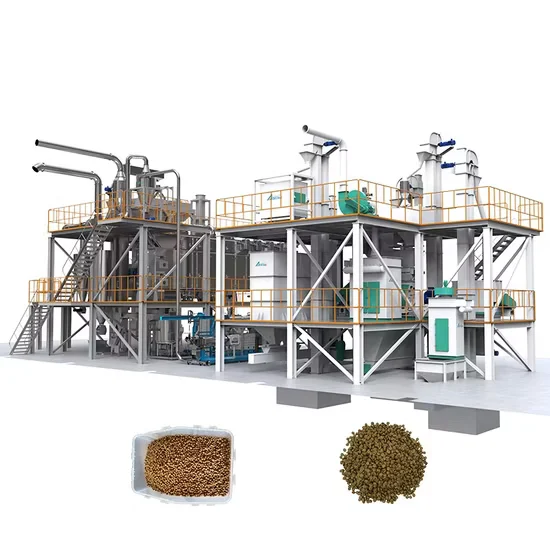
Unexpected equipment downtime does more than disrupt a production schedule; it leads to the spoilage of entire batches of semi-finished material. A structured preventive maintenance plan significantly reduces the risk of unplanned failures in twin-screw extruders and dryers, ensuring long-term stability and product consistency for your pet food manufacturing operations. By implementing rigorous inspection routines before issues escalate, factory managers can protect their investment and maintain continuous output.
Critical Inspection Points for the Twin-Screw Extruder
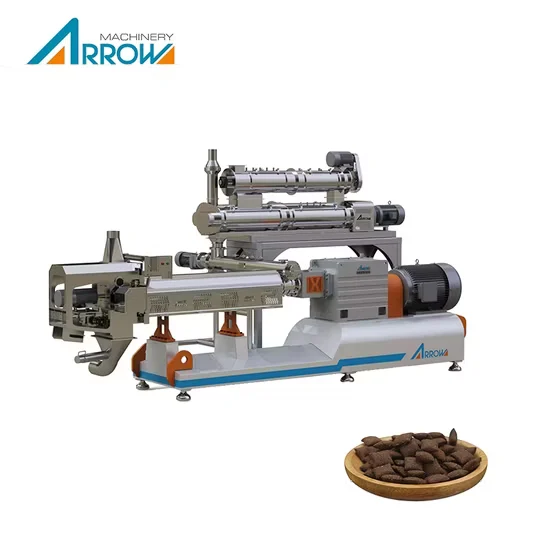
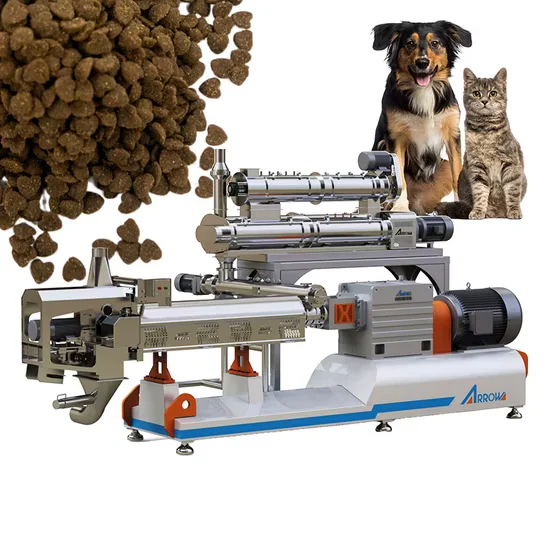
The heart of any kibble line is the extrusion system, where raw ingredients are transformed into shaped pellets through heat, pressure, and shear. In my experience, neglecting routine checks on the Twin-Screw Extruder is the fastest way to incur costly repairs. I once oversaw a project in a cold climate where severe screw wear caused a complete shutdown within hours of startup because the team lacked a preventive schedule. Waiting weeks for replacement parts taught me that skipping routine inspections always costs more than the components themselves.
Start with the screw elements and barrel liners. These components endure high friction and thermal stress, especially when processing recipes with high abrasive content or varying moisture levels. Inspect the flight tips for rounding or erosion, which indicates excessive clearance between the screw and barrel. This gap reduces pumping efficiency and can lead to inconsistent pellet density. Check the heating zones and temperature sensors regularly to ensure accurate thermal profiling. If the sensors drift, the control system may overheat the product, causing degradation of nutrients or undesirable texture changes.
Do not overlook the cutter assembly and die plate. The gap between the rotating knife and the stationary die must be precise to achieve clean cuts without smearing. A worn knife or a clogged die hole creates irregular particle sizes, which affects drying uniformity later in the line. Adjust the knife tension and inspect the die face for buildup after every shift. Establishing a strict maintenance calendar for these critical wear parts ensures that the extruder operates at peak performance and minimizes the risk of sudden mechanical failure.
Drying and Coating System Preventive Checks
After extrusion, the moisture content of the kibble must be reduced to safe storage levels, making the drying stage a potential bottleneck if not maintained properly. The Cross-Flow Circulation Dryer relies on consistent airflow and temperature distribution to remove moisture evenly. Check the fans and air filters weekly to prevent blockages that reduce airflow efficiency. Calibrate the humidity and temperature sensors regularly, as inaccurate readings can lead to under-dried or over-dried product. Under-dried kibble is prone to mold growth, while over-dried kibble becomes brittle and susceptible to breakage during handling.
The coating stage adds palatability and nutritional value, but it requires precise equipment function to ensure even application. For high-fat formulations, a Vacuum Coating Machine is often preferred because it allows fat to penetrate the porous structure of the kibble under reduced pressure. Inspect the vacuum seals and pumps regularly to maintain the required pressure levels. Leaks in the system can compromise the coating efficiency, leading to uneven fat distribution and potential rancidity issues. Clean the nozzles and pipelines after each production run to prevent residue buildup, which can harbor bacteria and affect subsequent batches.
For surface seasoning, drum coaters are common, but they require attention to the internal baffles and spray systems. Ensure that the spray nozzles are not clogged and that the liquid delivery system is calibrated correctly. Inconsistent spray patterns result in patchy coating, which affects both the visual appeal and the taste profile of the final product. Regularly check the rotation speed and tilt angle of the drum to ensure optimal mixing action. Maintaining these systems prevents waste of expensive flavorings and ensures that every piece of kibble meets quality standards.
Upstream and Downstream Equipment Maintenance
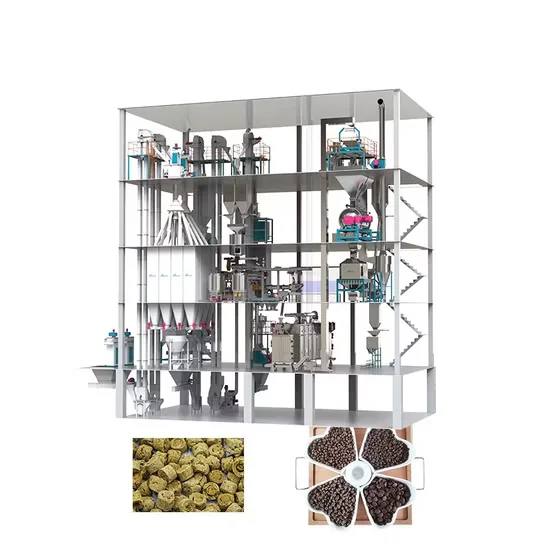
A production line is only as strong as its weakest link, so maintaining upstream and downstream equipment is just as critical as caring for the extruder. The grinding and mixing stages prepare the raw materials for extrusion, and any inconsistency here will propagate through the entire process. Inspect the hammer mill screens for wear and tear, as damaged screens allow oversized particles to pass through, affecting the extrusion stability. Replace the hammers according to the manufacturer’s recommendations or when vibration levels increase, indicating imbalance.
In the mixing system, check the bearings and seals of the paddle or ribbon mixers. Leaking seals can introduce contaminants or cause lubricant loss, leading to premature bearing failure. Ensure that the mixing time and speed are consistent to achieve a homogeneous blend of ingredients. Inconsistent mixing can result in variable nutrient content and poor extrusion behavior. Regularly lubricate the moving parts and check the alignment of the drive systems to prevent excessive wear and energy consumption.
Downstream, the cooling and packaging equipment also require attention. Check the conveyors for belt tension and alignment to prevent product spillage or jamming. Inspect the cooling tunnels for proper airflow and temperature control, as inadequate cooling can lead to condensation and clumping in the packaging. Maintain the cleaning protocols for all contact surfaces to meet hygiene standards and prevent cross-contamination between different product runs. A holistic approach to maintenance ensures that every stage of the production line operates smoothly and efficiently.
Building a Standardized Maintenance Schedule
Creating a effective maintenance schedule requires balancing operational demands with equipment needs. Start by categorizing tasks into daily, weekly, monthly, and annual checks. Daily tasks should include visual inspections, cleaning, and basic lubrication. Weekly tasks might involve more detailed checks of sensors, filters, and drive systems. Monthly tasks can include calibration of instruments and inspection of wear parts like screws and dies. Annual maintenance should cover major overhauls, such as replacing bearings, checking electrical systems, and validating safety interlocks.
Use equipment running hours as a basis for scheduling preventive actions rather than just calendar time. This approach ensures that maintenance is performed when needed, based on actual usage. Keep a log of all maintenance activities, including dates, tasks performed, and parts replaced. This record helps identify patterns of wear and predict future maintenance needs. It also provides valuable data for troubleshooting recurring issues and optimizing the maintenance strategy over time.
Maintain an adequate inventory of critical spare parts to minimize downtime during repairs. Identify parts with long lead times or those that are essential for continuous operation, such as screw elements, die plates, and heater bands. Establish reorder points based on usage rates and supplier lead times. Collaborate with your equipment provider to ensure that you have access to genuine parts and technical support when needed. Including commissioning and training in your initial contract can help your team understand the specific maintenance requirements of your Arrow extrusion plant.
Frequently Asked Questions
Q: How often should the screw elements of a twin-screw extruder be inspected?
A: Inspection frequency depends on the abrasiveness of the raw materials and operating hours. Generally, check for wear every 500 to 1,000 operating hours. Look for rounding on flight tips and increased clearance between the screw and barrel. If processing highly abrasive ingredients, inspect more frequently. Replace screws when efficiency drops or product quality declines, rather than waiting for complete failure.
Q: What are the common signs of wear in a cross-flow circulation dryer?
A: Common signs include uneven drying results, increased energy consumption, and unusual noise from fans. Check for clogged air filters, worn fan belts, and faulty temperature or humidity sensors. If kibble emerges with varying moisture content, inspect the airflow distribution and heating elements. Regular calibration of sensors and cleaning of filters can prevent these issues and maintain drying efficiency.
Q: How can we minimize downtime during scheduled maintenance for a complete kibble line?
A: Plan maintenance during scheduled production breaks and prepare all necessary tools and spare parts in advance. Use a standardized checklist to ensure all tasks are completed efficiently. Train multiple team members on maintenance procedures to avoid bottlenecks. Coordinate with upstream and downstream processes to ensure a smooth restart. Keeping a detailed maintenance log helps predict future needs and optimize scheduling.
Q: Why is vacuum coating preferred for high-fat pet food formulations?
A: Vacuum coating allows fat to penetrate the porous structure of the kibble under reduced pressure, resulting in higher fat uptake and better retention. This method prevents surface greasiness and improves palatability. It is particularly useful for high-energy diets where surface application alone would lead to slippage and uneven distribution. Regular maintenance of vacuum seals and pumps is essential for consistent performance.
To ensure your production line operates at peak efficiency, start with a clear understanding of your raw materials and capacity requirements. Discuss your specific formulation and throughput goals with our engineering team to receive a customized maintenance and operational plan. Request technical specifications and layout diagrams to visualize how each component integrates into your facility. Whether you need a standalone machine or a complete turnkey solution, we support your project from trial to commissioning.