Many pet treat contract manufacturers discover too late that frequent cleaning downtime and cross-contamination risks on a soft chew line stem from ignoring sanitary design during installation. If you are planning a new facility or upgrading an existing one, overlooking these early layout decisions can turn daily maintenance into a operational nightmare.
The efficiency and thoroughness of your soft chew line cleaning routine depend primarily on the initial equipment layout and hygienic structural design, not just on the diligence of your cleaning crew. By prioritizing accessible cleaning points and minimizing dead zones during the installation phase, you ensure that daily sanitation is fast, effective, and sustainable for long-term production stability.
Hygienic Layout Planning During Installation
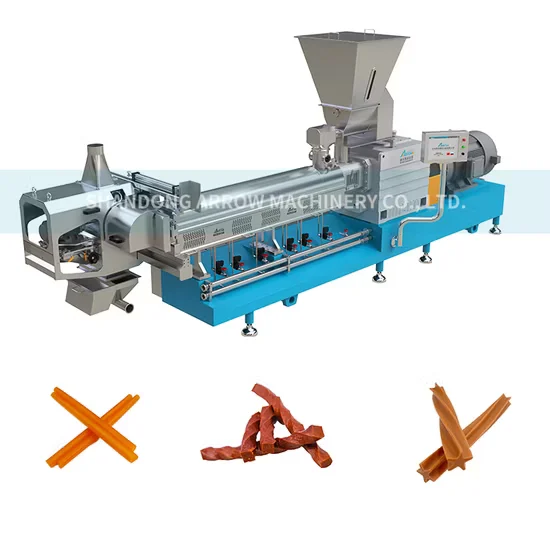
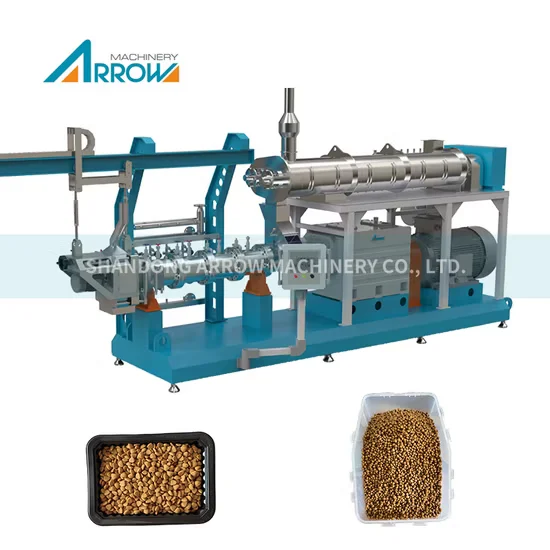
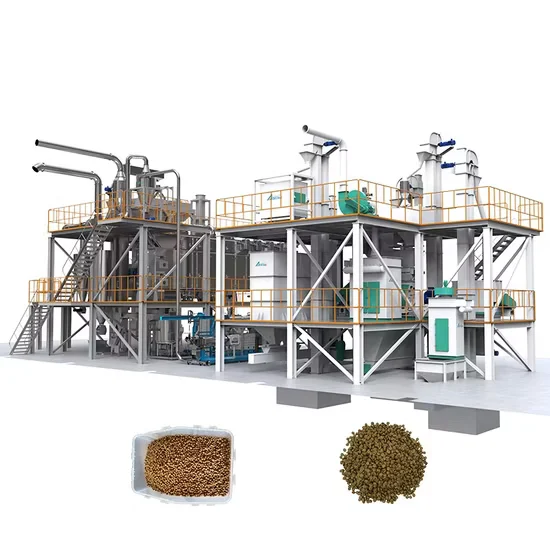
The physical arrangement of your processing equipment dictates how easily operators can access critical surfaces for cleaning. When installing a soft chewable food processing line, the spacing between the twin-screw extruder, dryer, and coating units must allow for full peripheral access. Tight corners or narrow aisles often force technicians to skip hard-to-reach areas, leading to residue buildup that spoils overnight.
Piping and conduit routing also play a vital role in sanitation. Overhead cables or poorly supported hoses can create dust traps and hinder wash-down procedures. Ensure that all utility connections are positioned to avoid pooling water or creating shadow zones where moisture and organic matter can accumulate. A well-planned layout considers the flow of both product and cleaning agents, allowing for efficient drainage and minimal manual scrubbing.
Furthermore, the integration of upstream and downstream modules requires careful attention to interface points. Gaps between the extruder discharge and the conveyor inlet, or between the dryer outlet and the coater, are common sites for material accumulation. During the installation phase, these transitions should be sealed or designed with smooth, sloped surfaces that prevent product from lodging in crevices. This proactive approach reduces the time spent on disassembly during each shift change.
Equipment Features That Simplify Daily Sanitation
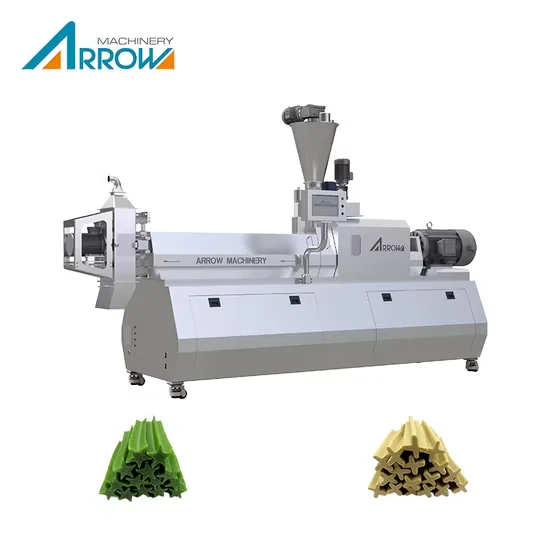
Not all machines are created equal when it comes to hygiene. For high-moisture, sticky formulations typical of soft chews, the internal geometry of the processing equipment is critical. A twin-screw extruder designed with quick-release barrel sections allows operators to open the machine rapidly for inspection and cleaning. This feature is essential when switching between recipes with different allergen profiles or when dealing with meat-heavy pastes that harden quickly upon cooling.
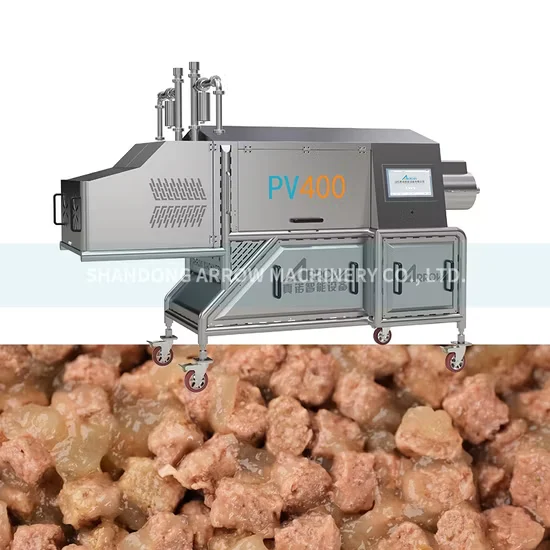
The vacuum coating system presents another challenge due to its complex internal components. Look for designs that minimize internal ledges and use polished, food-grade stainless steel surfaces. A vacuum coating machine with easy-access doors and removable spray nozzles simplifies the removal of oily residues. Without these features, operators may resort to aggressive scraping, which can damage seals and create micro-scratches that harbor bacteria over time.
| Feature | Standard Design | Hygienic Design for Soft Chews |
|---|---|---|
| Barrel Access | Bolted flanges requiring tools | Quick-release clamps for rapid opening |
| Internal Surfaces | Welded joints with potential gaps | Polished, seamless stainless steel |
| Seals | Standard rubber gaskets | Food-grade, heat-resistant seals |
| Drainage | Flat bottoms with poor slope | Sloped surfaces directing flow to drains |
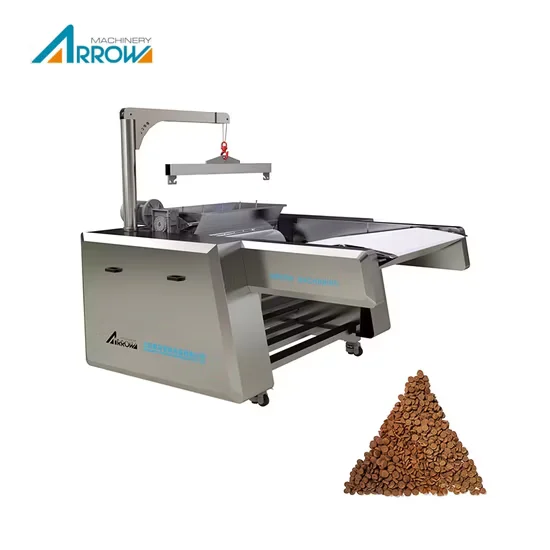
Mixers and hoppers should also feature smooth interiors without sharp angles where wet ingredients can stick. The use of food-grade seals and lubricants is non-negotiable, as standard industrial greases can contaminate the product if they leak into the processing zone. Selecting equipment with these inherent sanitary benefits reduces the reliance on chemical cleaners and hot water, lowering both operational costs and environmental impact.
Step-by-Step Daily Cleaning Routine for Soft Chew Lines
A standardized soft chew line cleaning routine ensures consistency and prevents cross-contamination between batches. The process begins immediately after production stops. Operators should first perform a dry clean to remove bulk material from the extruder barrel, die plate, and conveyor belts. Using air guns or soft brushes helps dislodge sticky residues before they harden, making the subsequent wet wash more effective.
Once the bulk material is removed, the wet washing phase begins. For the twin-screw extruder, this involves circulating warm water through the barrel segments while rotating the screws at low speed. This action helps dissolve remaining starches and proteins. Attention must be paid to the die plate, where small holes can clog easily. Soaking the die in a specialized cleaning solution may be necessary to ensure complete clearance.
The drying and coating sections require a different approach. The dryer interior should be wiped down to remove any fine dust or condensate, while the vacuum coating drum needs thorough rinsing to eliminate oil films. It is crucial to dry all surfaces completely before the next production run to prevent microbial growth. A final sanitizing step using approved food-safe disinfectants ensures that the line is ready for the next batch. Documenting each step in a logbook helps track compliance and identify recurring issues.
Common Cleaning Pitfalls and Preventive Maintenance
Even with a good routine, mistakes happen. One common pitfall is inadequate drying after washing. Moisture left in the extruder barrel or mixer can lead to mold growth and off-flavors in the next batch. Always verify that all components are bone-dry before reassembly. Another issue is the neglect of seal inspection. Over time, gaskets and O-rings degrade, creating gaps where product can leak and spoil. Regularly replacing these parts as part of preventive maintenance is far cheaper than dealing with a contamination incident.
Using the wrong cleaning agents can also damage equipment. Abrasive cleaners or harsh chemicals can scratch stainless steel surfaces, creating niches for bacteria to hide. Stick to manufacturer-recommended cleaners that are effective against protein and fat residues but gentle on metal finishes. Additionally, ensure that all electrical components are properly protected during wash-downs to prevent short circuits and downtime.
Preventive maintenance extends beyond cleaning. Regularly check the alignment of screws and barrels in the extruder to ensure uniform wear. Misalignment can cause uneven heating and product quality issues, making cleaning more difficult due to burnt-on material. By integrating these checks into your weekly schedule, you maintain both equipment health and hygiene standards.
Frequently Asked Questions
Q: How often should a soft chew production line be deep cleaned?
A: A full deep clean is typically recommended at the end of each production week or when switching between significantly different formulations, such as moving from a beef-based recipe to a fish-based one. Daily cleaning focuses on surface residues, while deep cleaning involves disassembling key components like the extruder screw elements and die plates to remove hardened buildup that daily routines might miss.
Q: What are the critical cleaning points for a twin-screw extruder in soft chew manufacturing?
A: The most critical areas include the screw elements, barrel segments, and the die plate. Sticky, high-moisture dough tends to accumulate in the screw flights and behind the die plate holes. These areas must be thoroughly inspected and cleaned to prevent blockages and ensure consistent product shape. Neglecting these points can lead to uneven extrusion pressure and product defects in subsequent runs.
Q: How does the initial installation layout affect daily sanitation time?
A: A well-planned layout with adequate spacing around machines allows operators to access all sides of the equipment easily. If machines are placed too close together or against walls, it becomes difficult to clean behind them, leading to missed spots and potential contamination. Proper layout design minimizes the need for awkward maneuvering and reduces the overall time required for effective daily cleaning.
Q: Can the vacuum coating machine be easily disassembled for thorough cleaning?
A: Yes, modern vacuum coating machines are designed with hygiene in mind, featuring quick-release mechanisms for drums and spray nozzles. This allows for rapid disassembly and reassembly, facilitating thorough cleaning of internal surfaces where oil and flavor residues accumulate. Easy access ensures that operators can effectively remove all contaminants, maintaining product quality and safety standards.
Send your product formula and capacity requirements to receive a detailed layout plan and technical specifications for a soft chew production line designed with hygiene and ease of maintenance in mind.