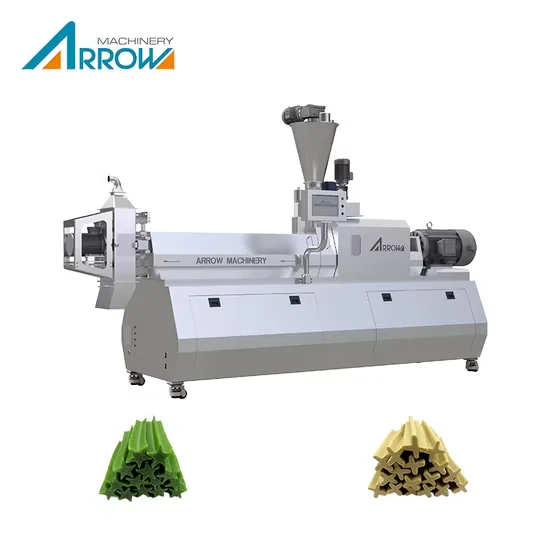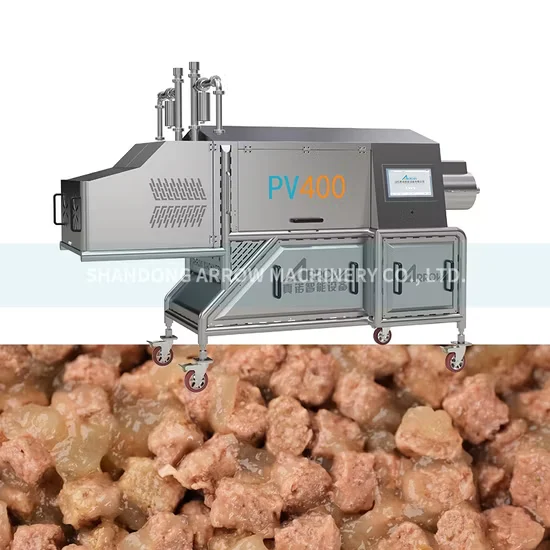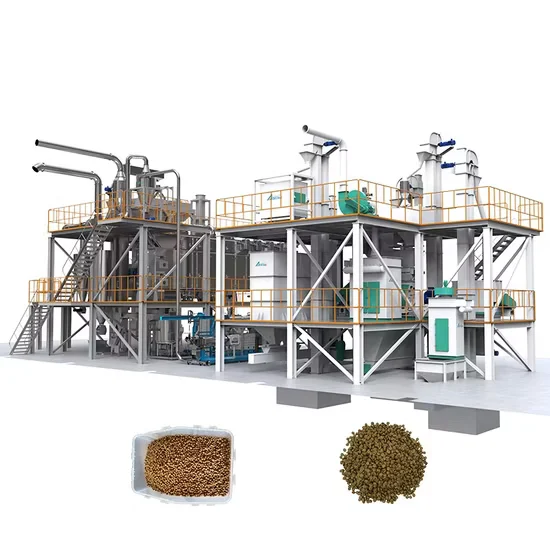
Many new pet food production lines sit idle after mechanical installation because operators lack the specific process knowledge to run them. The root cause is rarely the machine itself, but a gap in systematic training that connects equipment parameters to raw material behavior.
Successful commissioning depends on matching utility verification and mechanical assembly with structured operator training. By aligning screw configuration, thermal profiles, and downstream drying capacity with your specific formula, you ensure consistent product quality and minimize unplanned downtime from day one.
Pre-Installation Site Preparation and Utility Verification
Before any crate is opened, verify that your facility’s utilities match the technical requirements of the extrusion system. A common oversight involves power frequency; if the site voltage or hertz differs from the motor specifications, the main drive may trip repeatedly or suffer long-term damage. Confirm the available steam pressure, water supply, and compressed air quality, as these directly impact preconditioning efficiency and pneumatic controls.
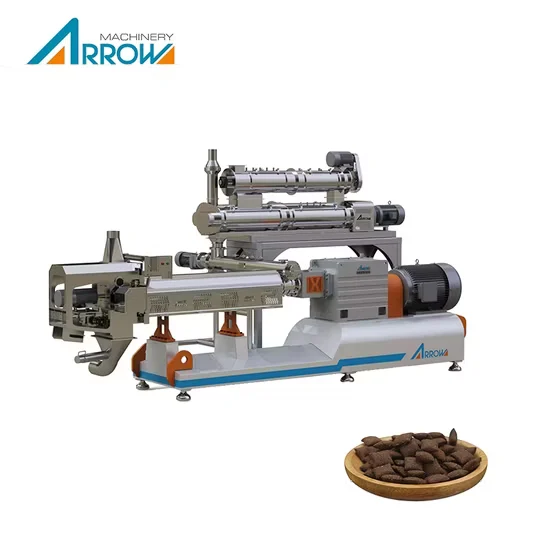
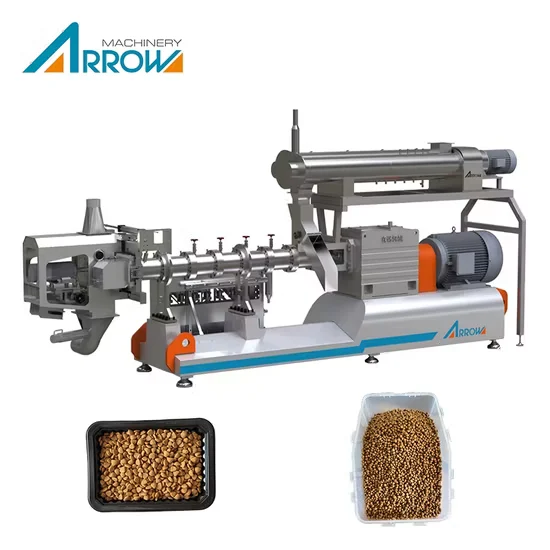
Space planning is equally critical. Ensure sufficient clearance around the Twin-Screw Extruder for maintenance access and cleaning. Operators need room to change dies, inspect barrel sections, and perform routine lubrication without navigating tight corners. Proper layout also accounts for the flow of raw materials from mixing to extrusion, preventing cross-contamination and ensuring ergonomic workflow for your team.
Mechanical Assembly and Line Integration
Physical installation goes beyond bolting machines to the floor. It requires precise alignment of the extruder barrel, gearbox, and main drive to prevent excessive vibration and wear. The concentricity of the screw elements within the barrel must be checked to ensure smooth rotation and consistent shear application. Misalignment at this stage can lead to premature screw failure and inconsistent product texture.
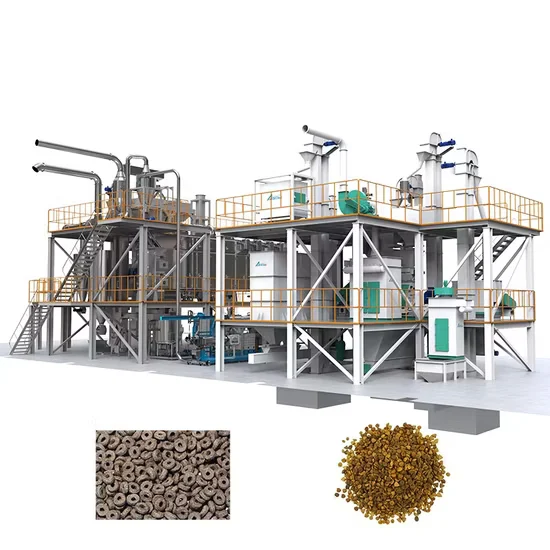
Integration with upstream and downstream equipment is where many lines face bottlenecks. Connect the extruder discharge to the conveying system carefully, ensuring that the capacity of the dryer matches the extruder’s output. For instance, a Cross-Flow Circulation Dryer must be sized to handle the moisture load from the extruder without creating a backlog. If the dryer cannot keep up, the entire line must slow down, reducing overall efficiency and potentially affecting product density.
Cold Commissioning and Parameter Baseline Setup
Cold commissioning involves running the equipment without raw materials to check motor direction, sensor calibration, and safety interlocks. This phase confirms that all emergency stops function correctly and that temperature controllers respond accurately to setpoints. It is the ideal time to establish a baseline for screw speed ranges and feeder frequencies before introducing variable ingredients.
Once cold tests pass, introduce a neutral starch-based material to calibrate thermal profiles. Monitor barrel temperatures zone by zone, adjusting heating and cooling to achieve the desired melt consistency. This step helps identify any hot spots or cooling inefficiencies. Document these initial settings as a reference point for future production runs, noting how changes in screw speed affect motor load and product expansion.
Structured Operator Training for Daily Production
Training should move beyond reading manuals to hands-on practice with the specific formulations you intend to produce. Operators must understand how ingredient variability, such as fresh meat content or fiber levels, influences extrusion behavior. Teach them to recognize signs of under-cooking or over-shearing, such as poor pellet durability or excessive fines, and adjust parameters accordingly.
Focus on standard operating procedures for startup and shutdown. A proper startup sequence prevents material buildup and blockages, while a controlled shutdown ensures the barrel is cleared of residual product to prevent spoilage. Include emergency scenarios in the training, such as power failures or jammed cutters, so operators can react quickly and safely. This practical knowledge reduces reliance on external support for minor issues.
Routine Maintenance and Troubleshooting Protocols
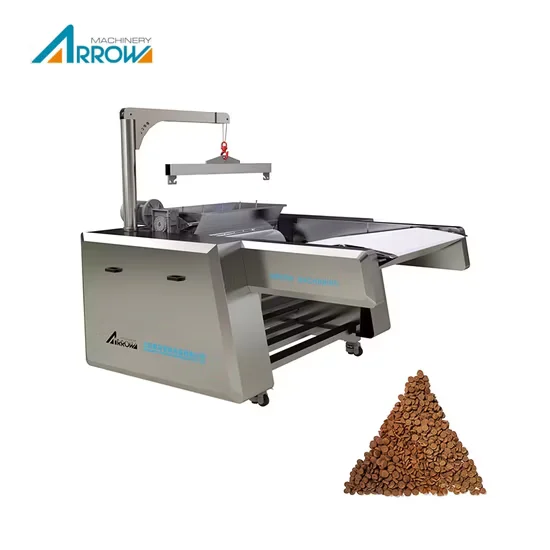
Establish a preventive maintenance schedule that includes regular inspection of screws, barrels, and dies. Wear on these components affects product shape and density, so track usage hours and replace parts before they compromise quality. Clean the vacuum coating system and dryer filters regularly to maintain hygiene and operational efficiency. A well-maintained line produces more consistent results and requires fewer emergency repairs.
Develop a troubleshooting guide for common issues like uneven pellet size or moisture inconsistency. Often, these problems stem from upstream mixing inconsistencies or downstream drying imbalances rather than the extruder itself. Train operators to check the entire line, from the mixer uniformity to the cooler discharge temperature. By understanding the interdependence of each stage, your team can diagnose and resolve issues faster, keeping production on track.
Frequently Asked Questions
Q: How long does the installation and commissioning of a pet food extrusion line typically take?
A: The timeline varies based on line complexity and site readiness. Mechanical installation may take a few weeks, while commissioning and operator training can extend several more weeks. Factors like utility availability, raw material trials, and staff familiarity with extrusion technology influence the schedule. A detailed project plan agreed upon in the contract helps manage expectations and ensures a smooth transition to full production.
Q: What specific skills do operators need to run a twin-screw pet food extruder?
A: Operators need a solid understanding of process variables such as temperature, pressure, and screw speed. They should be able to interpret sensor data and adjust settings to maintain product quality. Knowledge of raw material properties and their effect on extrusion behavior is crucial. Practical experience with startup, shutdown, and basic troubleshooting procedures ensures safe and efficient operation. Continuous training reinforces these skills and adapts them to new formulations.
Q: How often should the extruder screws and barrels be inspected for wear?
A: Inspection frequency depends on production volume and ingredient abrasiveness. High-fiber or high-mineral formulas accelerate wear. Regular visual checks during cleaning and periodic dimensional measurements help detect wear early. Establish a maintenance log to track usage hours and performance changes. Replacing worn components proactively prevents sudden failures and maintains product consistency. Consult the equipment manual for specific inspection intervals and wear limits recommended for your model.
Q: Can your engineering team provide on-site training for our factory workers?
A: Yes, on-site training is available as part of the commissioning service scope. Our engineers work alongside your operators to demonstrate proper procedures and troubleshoot real-time issues. This hands-on approach ensures your team gains confidence and competence in running the line. The specific duration and depth of training are defined in the contract to match your operational needs. This support helps bridge the gap between theoretical knowledge and practical application.
Request a custom quotation that includes detailed technical specifications, layout planning, and a comprehensive operator training program. Share your raw material formulation and target capacity to receive a solution designed for your specific production goals.