Producing veterinary diet pet food is not merely a recipe challenge; it is an extreme test of extrusion shear force, temperature control, and cross-contamination prevention on the production line. A lab formula that looks perfect can fail catastrophically in full-scale manufacturing if the equipment cannot handle high fiber loads or heat-sensitive hydrolyzed proteins without degrading nutritional value or physical structure.
The core solution lies in highly customized processing systems. Success depends on selecting twin-screw extruders with precise shear profiles, drying systems that ensure uniform moisture removal without nutrient loss, and coating technologies that apply functional additives evenly. Crucially, the entire line must be designed for rigorous cleaning to prevent allergen cross-contamination when switching between standard and hypoallergenic batches.
Hydrolyzed Protein and Low-Allergen Kibble Production
Hydrolyzed protein diets are essential for pets with severe food allergies, but these formulations present unique mechanical challenges. Hydrolyzed proteins often have different flow characteristics and water absorption rates compared to intact meat meals. When combined with high levels of soluble fiber or specific starches required for binding, the mixture can become sticky or uneven during preconditioning. This inconsistency can lead to blockages or irregular pellet shapes if the extruder lacks precise torque control.
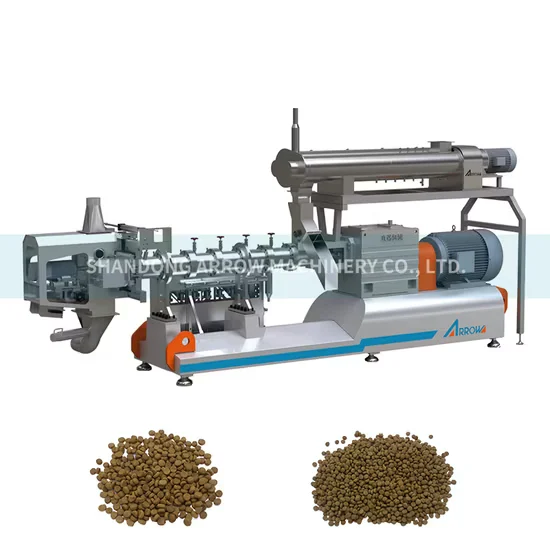
A Twin-Screw Extruder is typically preferred over single-screw models for these applications because it offers superior mixing efficiency and self-cleaning capabilities. The intermeshing screws provide a positive conveying action that handles sticky, high-moisture doughs more effectively. More importantly, the modular screw configuration allows engineers to adjust shear intensity. For hydrolyzed formulas, lower shear zones may be necessary to prevent excessive protein denaturation, while specific compression sections ensure proper starch gelatinization for kibble stability.
Cross-contamination is the primary concern in low-allergen production. Even trace amounts of chicken or beef protein can trigger adverse reactions in sensitive animals. Therefore, the equipment design must facilitate complete cleanability. This includes smooth internal surfaces, accessible die heads, and minimal dead zones where material can accumulate. Some facilities dedicate specific extrusion lines exclusively to hypoallergenic products to eliminate risk entirely, while others rely on rigorous wash-down protocols supported by equipment that allows rapid disassembly and inspection.
Renal and Metabolic Support Diets
Renal diets require strict control over phosphorus, sodium, and protein levels, often relying on specialized mineral premixes and high-quality, low-phosphorus protein sources. These ingredients can be expensive and sensitive to heat. Excessive thermal exposure during extrusion can degrade certain vitamins and amino acids, reducing the therapeutic efficacy of the final product. Therefore, temperature profiling along the barrel is critical.
Process engineers must balance the need for sufficient cooking to ensure digestibility and pathogen reduction with the need to preserve heat-labile nutrients. This often involves using preconditioners to initiate starch gelatinization before the material enters the main extruder barrel, allowing for lower mechanical energy input during the actual extrusion phase. The goal is to achieve a fully cooked product without subjecting the formulation to unnecessary thermal stress.
Additionally, renal kibbles often have specific density and hardness requirements to encourage chewing and slow down eating, which can help manage metabolic rates. The die design and cutter speed must be synchronized to produce uniform pellets that maintain their shape during drying. Inconsistent sizing can lead to varied intake rates, which is undesirable for pets requiring precise nutritional management.
Weight Management and High-Fiber Formulations
Weight management diets typically incorporate high levels of insoluble fiber, such as cellulose, beet pulp, or pea hulls, to increase satiety without adding calories. However, high fiber content significantly affects the expansion ratio and texture of the kibble. Fiber does not gelatinize like starch and can disrupt the structural matrix of the pellet, leading to brittle or crumbly products if not processed correctly.
The grinding stage becomes particularly important here. The particle size of the fiber source must be optimized to ensure it integrates smoothly into the dough without causing excessive wear on the extruder screws or creating weak points in the kibble structure. A Hammer Mill or pulverizer with adjustable screen sizes allows for precise control over ingredient granularity.
Drying is often the bottleneck in high-fiber production. Fiber holds moisture differently than starch-protein matrices, requiring careful control of air temperature and humidity in the dryer. A Cross-Flow Circulation Dryer provides consistent airflow across multiple trays or belts, ensuring that moisture is removed evenly from the center to the surface of each kibble. Uneven drying can lead to mold growth during storage or inconsistent texture, which may affect palatability.
Gastrointestinal and Digestive Health Treats
Digestive health products often include prebiotics, probiotics, or enzymes that are highly sensitive to heat and moisture. While some of these additives can be included in the extrusion mix, many are best applied post-extrusion to maintain their biological activity. This is where coating technology plays a vital role.
For dry treats or kibble toppings, a Vacuum Coating Machine allows for the even application of liquid fats, oils, or enzyme solutions into the pores of the extruded product. By removing air from the chamber, the vacuum forces the coating deep into the kibble, ensuring uniform distribution and better adherence compared to surface-only spraying. This method is particularly useful for adding delicate functional ingredients that would otherwise be destroyed by the heat of extrusion.
Soft chewable treats for gastrointestinal support require a different approach, often involving lower temperature forming processes to retain moisture and create a pliable texture. These products may use cold extrusion techniques or specialized baking methods that do not rely on high-pressure expansion. The key is maintaining a moisture level that ensures shelf stability while providing the desired soft mouthfeel.
Prescription Wet Food and Meat Chunk Diets
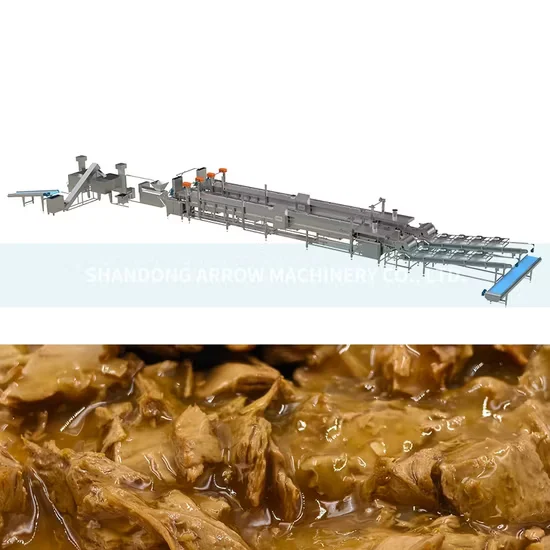
Wet food prescription diets, such as those for urinary health or kidney support, often feature texturized meat chunks in gravy or sauce. Producing these requires a different set of equipment focused on protein restructuring rather than dry expansion. The process involves mixing high-moisture meat slurries with binders and then extruding them through a die to create fibrous, muscle-like structures.
The viscosity of the mixture is critical. If the blend is too thin, it will not hold its shape; if too thick, it may clog the extruder. Precision mixing systems ensure homogeneous distribution of minerals and vitamins throughout the meat mass. After extrusion, the chunks are typically sterilized in retorts or aseptic packaging lines, which requires careful coordination between the chunk formation rate and the packaging speed to maintain efficiency.
Specialized Small Animal and Exotic Pet Prescription Feeds
Veterinary diets are not limited to dogs and cats. Small mammals, birds, and reptiles also require specialized nutritional support for conditions like dental disease, obesity, or metabolic bone disorder. These feeds often come in much smaller pellet sizes or specific shapes, such as pellets for rodents or sticks for reptiles.
Producing these small-format feeds requires extruders capable of handling fine dies without clogging. The cooling and drying stages must also be adapted to prevent breakage of these fragile, small particles. Additionally, the addition of micronutrients, which are critical for exotic pets, often requires high-precision coating systems like a Multi-Head Coating Pan Flavor Machine to ensure every small pellet receives an accurate dose of vitamins or minerals without clumping.
Frequently Asked Questions
Q: How do you prevent cross-contamination when switching between standard and hypoallergenic veterinary diets?
A: Prevention starts with equipment design featuring smooth, accessible surfaces and minimal dead zones. Dedicated production lines are the most effective solution. If sharing lines, rigorous wash-down protocols using hot water and sanitizers are essential. Equipment should allow for rapid disassembly of die heads and screw barrels for manual inspection and cleaning to ensure no residual allergens remain before starting a hypoallergenic batch.
Q: Can twin-screw extruders handle high-fiber or hydrolyzed protein formulas without degrading heat-sensitive nutrients?
A: Yes, twin-screw extruders offer superior control over shear and temperature compared to single-screw models. By adjusting screw configuration and barrel heating zones, engineers can minimize mechanical and thermal stress. Preconditioning helps reduce the energy required in the extruder barrel, preserving nutrient integrity. However, exact parameters depend on the specific formulation and must be validated through trial runs.
Q: What drying and coating technologies ensure even distribution of functional additives on prescription kibbles?
A: Uniform drying is achieved using cross-flow or external air circulation dryers that provide consistent airflow and temperature control. For coating, vacuum coating machines are ideal for impregnating liquids into the kibble pores, ensuring even distribution of fats or enzymes. For surface applications, drum flavoring machines provide gentle tumbling and spray application, suitable for heat-sensitive additives added post-drying.
Q: Is it possible to upgrade an existing pet food line to produce specialized veterinary diets?
A: Upgrades are often feasible but require careful engineering assessment. Key areas to evaluate include the extruder’s torque capacity for high-fiber mixes, the dryer’s ability to handle different moisture profiles, and the cleaning accessibility of the entire line. Adding a vacuum coater or upgrading the grinder may be necessary. A technical review of your current setup against the new formulation requirements is essential to determine scope.
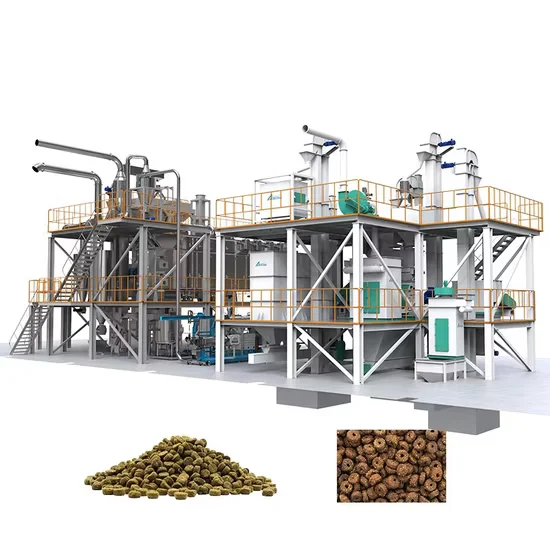
Send your prescription diet formula and target capacity to receive a customized equipment configuration and factory layout plan. Our engineering team can discuss raw material trials and specific process requirements to ensure your line meets the strict standards of veterinary nutrition manufacturing.