Many treat brands perfect a baked biscuit recipe in the lab, only to face high scrap rates during mass production. Uneven drying leaves hidden wet cores that invite mold, while mismatched forming modules cause shape collapse or inconsistent weight. These failures are not just bad luck; they are symptoms of a thermal and mechanical imbalance in the line design.
Producing consistent baked dog biscuit line output requires more than a single extruder. It demands a synchronized system where precision forming, controlled cross-flow drying, and gentle vacuum coating work in harmony. The goal is to maintain product integrity from dough to finished package, ensuring every batch meets the strict texture and shelf-life standards of the premium market.
Precision Forming: Shaping Dough Without Compromising Texture
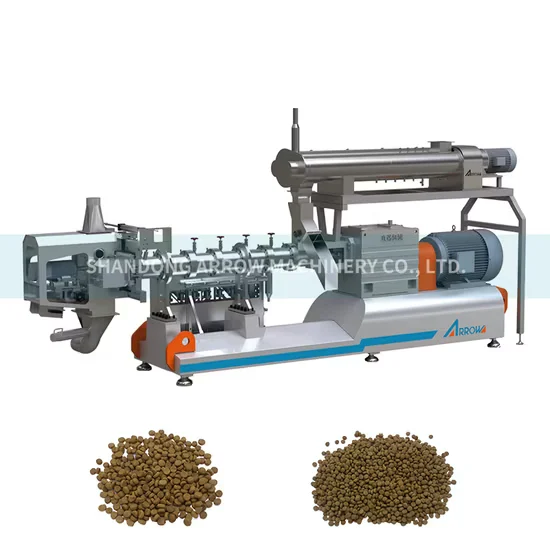
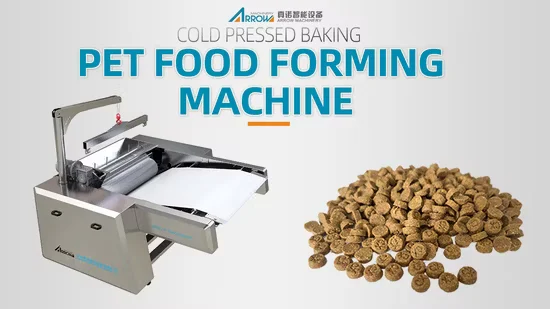
The foundation of any high-end treat is its shape and density. For baked goods, the dough often contains higher moisture and fat levels than standard kibble, requiring specific handling to prevent sticking or deformation. A dedicated Baked Pet Food Forming Machine is designed to manage these delicate formulations. Unlike high-shear extruders that rely on intense pressure and heat for expansion, this equipment focuses on accurate portioning and shaping at lower temperatures.
Custom molds allow manufacturers to create complex 3D shapes that stand out on retail shelves. Whether producing bone-shaped chews or intricate geometric treats, the forming unit must maintain exact gram-weight control. Inconsistent weight leads to uneven baking, where smaller pieces burn while larger ones remain undercooked. By adjusting the screw configuration and cutting mechanism, operators can handle grain-free, high-meat, or vegetable-based doughs without compromising structural integrity. This stage sets the baseline for the entire baked dog biscuit line, determining how well the product will respond to subsequent thermal processing.
Moisture Control: Achieving Uniformity with Cross-Flow Drying
Drying is frequently the bottleneck in treat production. Traditional dryers may harden the surface of a biscuit too quickly, trapping moisture inside. This case-hardening effect creates a false sense of dryness, leading to spoilage during storage. To avoid this, a Cross-Flow Circulation Dryer offers a more controlled approach. By circulating air horizontally across the product bed, it ensures even heat distribution and efficient moisture removal from all sides of the treat.
Zone-specific temperature and airflow controls are critical. The initial zones remove surface moisture gently, while later zones drive out internal water without scorching the exterior. This gradual process preserves the desired crunchy texture and prevents cracking. For a baked dog biscuit line, matching the dryer’s capacity to the former’s output is essential. If the dryer is undersized, operators may be forced to increase temperature, which degrades nutrients and alters flavor. Properly configured, this system extends shelf life by achieving a stable water activity level, a key metric for food safety.
Flavor Enhancement: Gentle Coating for Premium Finishes
Once baked and cooled, treats often require an additional layer of flavor or nutrition. Traditional drum coaters can be harsh, causing fragile baked biscuits to break or crumble. A Vacuum Coating Machine provides a superior alternative for premium products. By operating in a low-oxygen environment, this system allows liquid fats, oils, or nutrient solutions to penetrate the porous structure of the biscuit more effectively.
This method ensures an even distribution of coating without excessive surface residue. It reduces waste and improves the visual appeal of the final product, making it look more appetizing to pet owners. For high-fat formulations, vacuum coating prevents the greasy feel associated with over-spraying. It also helps seal the product, further protecting it from oxidation and rancidity. Integrating this technology into a baked dog biscuit line adds value by enabling functional enhancements, such as adding omega-3 fatty acids or probiotics, without compromising the treat’s texture.
Line Integration: Balancing Capacity and Utilities
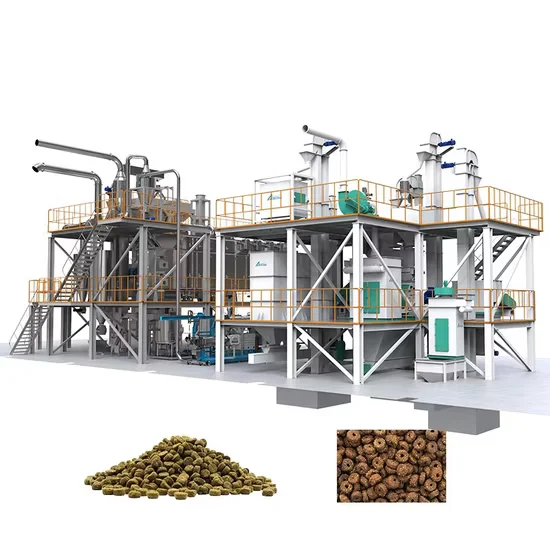
A collection of high-quality machines does not guarantee a successful factory. The true challenge lies in integrating them into a cohesive baked dog biscuit line. Each component must be sized to match the others. If the mixer cannot supply dough fast enough, the former sits idle. If the cooler cannot handle the heat load from the oven, the coating stage fails. Engineers must balance the duty points of each machine to ensure smooth, continuous operation.
Factory constraints also play a major role. Available floor space, power voltage, and steam or gas access dictate equipment selection. A compact layout may require vertical integration or modular designs to fit within existing buildings. For new facilities, planning for future expansion is wise. Leaving space for additional drying racks or a second coating line can save significant capital expenditure later. Process consultation helps identify these needs early, ensuring that the selected equipment fits both the current recipe and long-term business goals. Testing raw materials in a pilot setup before full-scale purchase can reveal potential issues with ingredient behavior, saving time and money during commissioning.
Frequently Asked Questions
Q: What is the ideal moisture target for baked dog biscuits after drying?
A: The target moisture content typically ranges between 8% and 12%, depending on the formulation and desired shelf life. Lower moisture levels extend stability but may affect texture. Water activity should be kept below 0.6 to inhibit microbial growth. Exact targets must be determined through laboratory testing of the specific recipe, as ingredients like fresh meat or vegetables influence water binding and drying kinetics differently than dry meals.
Q: Can the forming machine handle high-meat or grain-free dough formulations?
A: Yes, specialized forming equipment can process high-meat and grain-free doughs. These formulations often have different rheological properties, requiring adjusted screw configurations and temperature profiles to maintain shape fidelity. The key is managing moisture and fat content to prevent sticking or deformation. Trial runs are recommended to fine-tune the machine settings for specific recipes, ensuring consistent weight and shape without excessive waste or downtime during production.
Q: How does vacuum coating improve the shelf life of premium treats?
A: Vacuum coating enhances shelf life by facilitating deeper penetration of protective oils and antioxidants into the treat’s porous structure. This internal protection reduces exposure to oxygen, slowing down lipid oxidation and rancidity. Additionally, the even application minimizes surface residue that can attract contaminants. By sealing the product more effectively than surface spraying, vacuum coating helps maintain freshness and flavor integrity over a longer period, which is crucial for premium brands.
Q: What utilities are required to install a complete baked biscuit line?
A: A typical line requires stable electrical power for motors and controls, plus a heat source such as steam, natural gas, or electricity for the drying and baking stages. Compressed air is often needed for pneumatic components and cleaning. Water supply and drainage are necessary for cleaning and certain cooling processes. Specific requirements vary by machine model and capacity, so a detailed utility list should be reviewed against local factory capabilities during the engineering phase to avoid costly modifications.
Send your product formula, target capacity, and factory dimensions to receive a customized technical proposal. Our team can provide equipment specifications, layout drawings, and information on raw material trial options to help you plan your next production expansion with confidence.