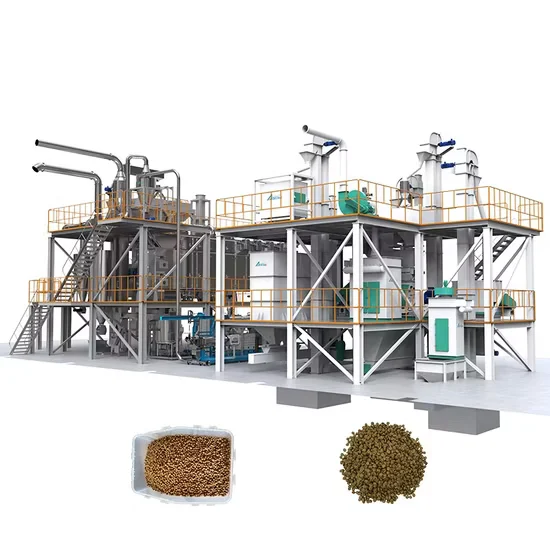
When starch-based cat litter production fills your workshop with fine dust and extruder output begins to drop, reactive fixes cost far more than integrating dust management and wear protection into your daily maintenance routine. The long-term stability of a starch-based cat litter line depends on system-level dust collection design and preventive replacement of critical wear parts in the extrusion and drying stages, rather than waiting for breakdowns to occur.
Pinpointing Dust Generation Points in Starch Processing
Starch-based formulations behave differently from high-meat pet food mixes. They tend to generate finer particulate matter during grinding and mixing, which can escape standard containment if not properly managed. In my early career, I worked on a project in Egypt where poor dust extraction balance allowed fine powder to bypass the cyclone. This powder acted like sandpaper on cutting blades and barrel sleeves, forcing the plant to replace wear parts every two weeks. Understanding where this dust originates is the first step toward controlling it.
The primary sources are the pulverizer discharge, the mixer loading zone, and the extruder feed throat. If the air velocity in your ductwork is too low, heavy starch particles settle in the pipes rather than reaching the filter. Conversely, excessive velocity can erode pipe bends and reduce filter efficiency. You must evaluate whether your current dust collector matches the volume of fines generated by your specific raw material particle size distribution.
Beyond the initial preparation stages, the cutting chamber of the extruder is a significant source of airborne particles. As the hot, expanded strands are cut, static electricity often causes fine dust to cling to equipment surfaces or float into the workshop air. If your facility handles multiple recipes, cross-contamination via dust migration becomes a quality control issue. Assessing the match between your existing dust extraction interfaces and the workshop wind network design is crucial for maintaining a clean and safe operating environment.
Targeted Dust Mitigation for Extruders and Dryers
Controlling dust at the source requires localized sealing and negative pressure systems. For the twin-screw extruder, focus on the feed hopper and the die head. A well-designed feed throat with a slight vacuum pull prevents dust from escaping during material intake. At the die face, installing a shroud around the cutter assembly helps contain the immediate cloud of fines generated during strand cutting. This is particularly important for starch-based products, which tend to be more brittle and prone to creating micro-dust upon cutting.
The drying section presents another challenge. In a Cross-Flow Circulation Dryer, the high-volume air movement required for moisture removal can carry lightweight particles out of the dryer bed if the airflow is not evenly distributed. Ensure that the exhaust air passes through effective filtration before being released or recirculated. Regular cleaning of the dryer’s internal screens and air ducts prevents buildup that can restrict airflow and cause uneven drying.
Maintenance teams should establish a routine for inspecting seals and gaskets on all transfer points. Worn seals between the mixer and the extruder feeder allow dust to leak into the motor compartments, leading to overheating and electrical failures. By keeping these connection points tight and monitoring the pressure differential across your dust filters, you can maintain consistent suction performance. This proactive approach reduces the load on your central filtration system and keeps the workshop air quality within safety limits.
Tracking Wear Patterns in Twin-Screw Extruders
The lifespan of your extruder’s core components is directly linked to how well you manage dust and abrasive materials. In the case of the starch-based cat litter project mentioned earlier, the unchecked dust accelerated wear on the screw elements and barrel liners. When fine, abrasive particles enter the clearance between the screw and the barrel, they act as a grinding compound. This leads to increased backflow, reduced pumping efficiency, and inconsistent product density.
Monitor your extruder’s main motor current and throughput rate closely. A gradual increase in amperage combined with a drop in output often signals that the screw tips or barrel liners are wearing down. For starch-based formulations, which may include mineral additives or fillers, this wear can happen faster than with pure cereal grains. Establishing a baseline for new components allows you to detect deviations early.
Regular inspection intervals should be based on operating hours rather than just calendar time. Check the flight height of the screw elements and the internal diameter of the barrel liners. If the clearance exceeds the manufacturer’s recommended tolerance, it is time to replace the parts. Waiting until the extruder fails to build pressure results in poor product quality and potential damage to the gearbox. Keeping a log of wear measurements helps predict future replacement needs and optimize your spare parts inventory.
Building a Preventive Maintenance Schedule
A structured maintenance plan covers the entire production line, from grinding to coating. For a starch-based cat litter line, daily checks should include visual inspections of dust collector bags, verification of seal integrity on mixers and feeders, and cleaning of the extruder die face. Weekly tasks might involve lubricating moving parts on the conveyor systems and checking the tension on drive belts. Monthly reviews should focus on deeper inspections, such as examining the internal condition of the dryer and testing the efficiency of the vacuum coating system if used for surface treatments.
Creating a spare parts inventory for critical wear items reduces unplanned downtime. Keep a set of screw elements, barrel liners, and cutter blades on hand, especially if your supply chain has long lead times. This ensures that when wear limits are reached, you can swap components during a scheduled shutdown rather than waiting for delivery. Training your operators to recognize early signs of wear, such as changes in product texture or unusual noises, empowers them to contribute to the maintenance strategy.
Integrating these practices into your daily operations transforms maintenance from a reactive cost center into a proactive quality assurance tool. By focusing on dust control and wear management, you extend the life of your equipment and ensure consistent product quality. For complex upgrades or when designing a new facility, consulting with an engineering team that understands the interplay between process parameters and mechanical wear can provide valuable insights.
Frequently Asked Questions
Q: How often should the screw elements and barrels of a twin-screw extruder be inspected for a cat litter line?
A: Inspection frequency depends on the abrasiveness of your raw materials and operating hours. For starch-based formulations with mineral additives, check clearances every 500 to 1,000 operating hours. Monitor motor current and throughput for early signs of wear. If you notice a drop in pressure or inconsistent pellet shape, inspect immediately. Regular measurement of flight height helps schedule replacements before failure occurs.
Q: What are the most effective ways to reduce dust at the cutting face of a pet food or cat litter extruder?
A: Install a localized shroud or hood around the cutter assembly to contain fines. Use a slight negative pressure vacuum at the feed throat to prevent dust escape during loading. Ensure the cutter blades are sharp, as dull blades create more friction and fine particles. Regularly clean static-charged surfaces near the die head to prevent dust accumulation and subsequent release into the workshop air.
Q: How does poor dust control in the drying section affect the final moisture consistency of starch-based cat litter?
A: Accumulated dust in dryer ducts restricts airflow, leading to uneven heat distribution and inconsistent moisture removal. This can result in pockets of wet or overly dry product. Poor filtration also allows fines to recirculate, potentially contaminating the product or clogging downstream equipment. Maintaining clean airways ensures uniform drying and protects the integrity of the final granules.
Q: Can existing pet food production lines be upgraded with better dust extraction without replacing the main machines?
A: Yes, you can often retrofit existing lines with improved local extraction hoods and upgraded filtration systems. Focus on sealing transfer points between machines and increasing suction capacity at high-dust zones like the grinder and cutter. Consult with an engineering team to assess your current wind network and identify bottlenecks. Upgrading ductwork and filters can significantly improve air quality without major capital investment in new processing equipment.
If you are facing challenges with dust control or unexpected wear on your production line, share your current layout and specific pain points. Our engineering team can review your setup and suggest targeted improvements for dust extraction and wear part optimization. Request a technical consultation to discuss how a systematic maintenance approach can enhance your operational efficiency.