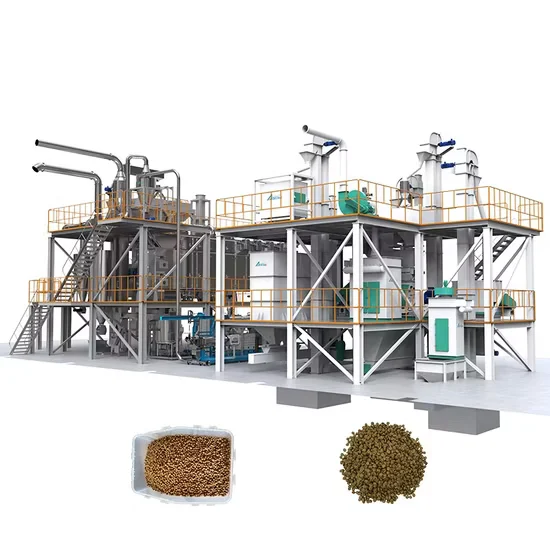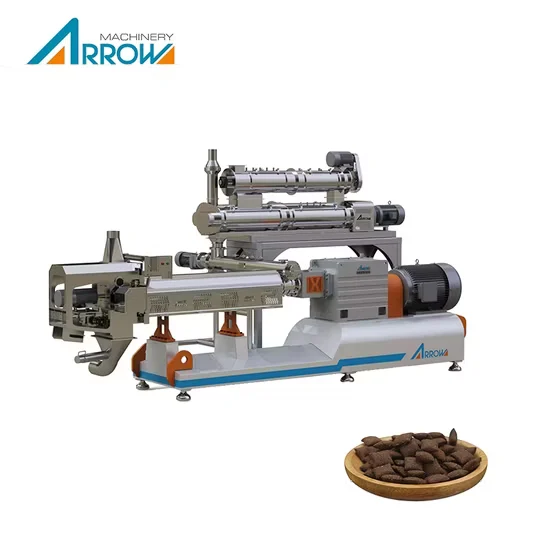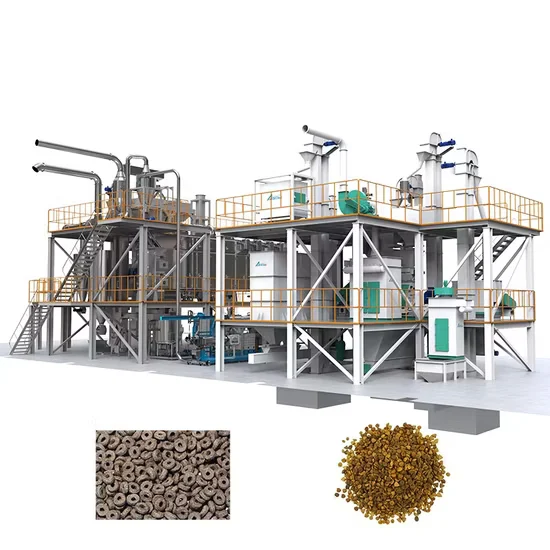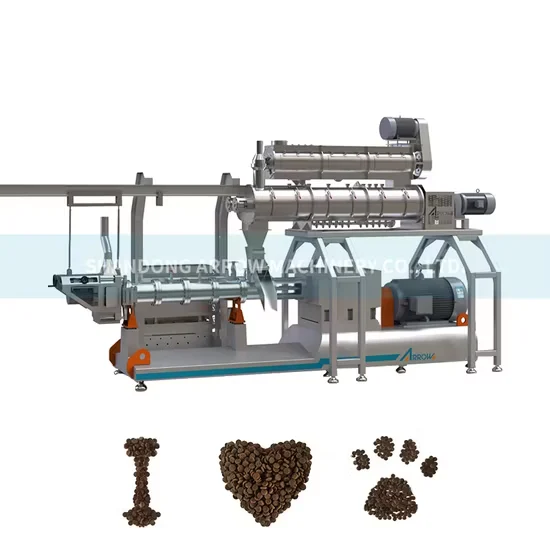
Many plant managers treat a production line relocation as a simple physical move, only to discover later that unmarked dismantling and improper reassembly have destroyed the thermal and mechanical precision of their twin-screw extruders and dryers. I still remember a European kibble plant relocation where we failed to map exact utility drop points before tearing down the equipment. When reassembling the line in the new facility, the steam and compressed air pipes fell short, and floor anchoring holes missed the new foundation. We spent two extra weeks modifying pipes and re-welding supports while the client production schedule stalled.
A successful pet food line relocation disassembly reinstall is not just about unbolting machines. It requires precise layout recalculation, strict tagging for every cable and pipeline, and adherence to original commissioning standards. Only by treating the move as a process engineering project rather than a logistics task can you restore nominal capacity and product consistency without extended downtime.
Pre-Relocation Audit and Utility Mapping
Before a single wrench turns, you must bridge the gap between the old facility’s reality and the new site’s potential. Start by evaluating the differences in utilities. Water quality, electrical frequency, steam pressure, and compressed air cleanliness vary significantly between plants. If your new facility has lower steam pressure, your preconditioner may not reach the required temperature for starch gelatinization, directly affecting kibble expansion and density.
Next, verify the structural requirements for heavy processing modules. A Twin-Screw Extruder and its associated gearbox impose significant dynamic loads on the foundation. Compare the footprint and weight distribution data from your original layout with the new floor plans. Ensure that the new location can support the static and dynamic weights of the extruder, dryer, and coating systems. Misalignment here leads to vibration issues that can damage bearings and seals long before the first batch is produced.
Finally, map the upstream and downstream interfaces. Document exactly where raw material silos connect to mixers and where finished product conveyors link to packaging units. Create a detailed plan for disconnecting and rebuilding these links. This step prevents the common error of discovering that existing conveyors are too short or angled incorrectly for the new spatial arrangement.
Systematic Disassembly and Component Tagging
Disassembly is where most precision is lost. Begin by backing up all process parameters. Record the screw configuration, barrel heating zones, die head specifications, and cutter speeds of your extrusion system. These settings are the fingerprint of your product quality. Without them, recommissioning becomes a trial-and-error exercise that wastes raw materials and time.
Tag every connection. Use durable, heat-resistant labels for electrical cables, pneumatic lines, and hydraulic hoses. For flanged connections on mixers, grinders, and dryers, mark the mating faces to ensure they are reassembled in the same orientation. This practice maintains gasket integrity and prevents leaks in steam or vacuum systems. Seal open ports immediately to prevent contamination from dust or moisture during storage and transport.
Pay special attention to wear parts and sensitive components. Remove screws, dies, and cutting blades from the Twin-Screw Extruder. Clean them thoroughly and apply anti-corrosion coating. Store these high-precision items in dedicated, padded crates. Similarly, remove sealing strips from dryers and coating drums. These rubber or silicone components can deform if left under tension or exposed to extreme temperatures during transit.
Safe Transport and Storage of Processing Modules
Transporting heavy industrial machinery requires more than standard freight handling. The extruder barrel and gearbox are monolithic structures that must be secured to prevent shifting. Use shock-absorbing mounts and rigid bracing inside shipping containers or on flatbed trucks. For sensitive electronics, such as PLC cabinets and HMI panels, use anti-static wrapping and moisture-barrier bags. Humidity fluctuations during ocean freight can cause condensation inside control panels, leading to short circuits upon power-up.
Monitor the transport environment. If possible, use tilt indicators and shock loggers on crates containing precision instruments like vacuum coating machines or servo-driven cutters. These devices provide objective data on whether the equipment experienced excessive force during transit. Upon arrival, conduct a thorough unpacking inspection against the packing list. Check for visible damage, loose fasteners, or signs of water ingress before signing off on the delivery.
Store components in a clean, dry, and temperature-controlled area if there is a delay before installation. Keep motors and gearboxes covered to prevent dust accumulation in ventilation slots. Proper storage preserves the condition of the equipment and reduces the cleaning effort required before reassembly.
Precision Reinstallation and Mechanical Alignment
Reinstallation begins with positioning equipment according to the new process flow. Place the extruder, dryer, and coater in their designated spots, ensuring adequate clearance for maintenance and operator access. Use precision levels to calibrate the horizontal alignment of each machine. Even a slight tilt can cause uneven wear on screws and bearings, leading to premature failure and inconsistent product output.
Connect the mechanical interfaces between units. Align conveyor belts and chutes to ensure smooth product transfer without bottlenecks or spillage. Pay close attention to the interface between the extruder cutter and the dryer inlet. Misalignment here can cause kibble to pile up or jam, disrupting the entire line. Secure all floor anchors tightly to dampen vibration and stabilize the equipment during operation.
Reconnect utility lines carefully. Perform pressure tests on steam, water, and compressed air pipelines before connecting them to the machines. This step identifies leaks or blockages early, preventing damage to sensitive valves and actuators. Ensure that electrical grounding is properly established for all equipment to protect both personnel and control systems.
Electrical Wiring, Automation Check and Commissioning
Electrical reconnection requires meticulous attention to detail. Verify that all cables are connected to their corresponding terminals as per the tagged diagrams. Check sensor signals for accuracy and ensure that safety interlocks are functional. Restore the PLC program from the backup created during disassembly. Test the logic sequences without powering the main drives to confirm that valves, dampers, and feeders respond correctly to commands.
Conduct no-load runs for each individual machine. Start with mixers and grinders, then move to the extruder and dryer. Listen for unusual noises and monitor motor currents. Check the direction of rotation for fans, screws, and conveyors. Correct any issues before introducing raw materials. This phase verifies the mechanical integrity of the reassembled system.
Finally, perform wet commissioning with actual ingredients. Start at low capacity and gradually increase throughput. Monitor key process variables such as torque, temperature, and moisture content. Adjust the screw speed, feeder rate, and drying parameters to match the original product specifications. This step validates that the pet food line relocation disassembly reinstall has successfully restored the line’s performance.
Frequently Asked Questions
Q: How long does it typically take to dismantle and reinstall a complete pet food extrusion line?
A: The timeline varies based on line complexity and site readiness. A standard dry kibble line may take four to eight weeks for full dismantling, transport, and recommissioning. Complex lines with extensive automation or wet food processing modules require more time. Detailed planning and parallel work streams can reduce downtime, but rushing the process risks misalignment and future operational issues.
Q: Should we use our own maintenance team or hire the original manufacturer for relocation?
A: While internal teams know the daily operations, original manufacturers possess specific knowledge of assembly tolerances and control logic. A hybrid approach is often best: your team handles logistics and general labor, while manufacturer engineers supervise critical alignment, electrical checks, and process tuning. This ensures that warranty conditions are met and technical standards are maintained throughout the move.
Q: What are the most critical components to protect when moving a twin-screw extruder and dryer?
A: Protect the screw elements, barrel liners, and gearbox of the extruder, as these define product texture and capacity. For dryers, safeguard the fan impellers, heating elements, and air seals. Control panels, sensors, and variable frequency drives are also highly sensitive to shock and moisture. Proper packaging and climate-controlled storage are essential to prevent corrosion and electronic failure during transit.
Q: Will the production capacity and product quality remain the same after the line is reinstalled?
A: Capacity and quality can be restored to original levels, but it is not automatic. Success depends on precise mechanical alignment, accurate utility reconnection, and careful process recalibration. Variations in raw material handling or utility supply at the new site may require minor adjustments. Comprehensive testing and parameter optimization during commissioning are crucial to achieving pre-move performance metrics.
To ensure your next move preserves your production integrity, discuss your specific layout challenges and utility constraints with our engineering team. We can help evaluate your current setup and plan a relocation strategy that minimizes risk. Send your formula and capacity requirements to receive a preliminary assessment and technical guidance for your project.