Many pet treat manufacturers hesitate between low-cost batch drying and high-efficiency continuous systems when scaling up jerky production. Choosing the wrong equipment often leads to inconsistent moisture levels, product spoilage, and uncontrolled energy costs that erode profit margins.
The core distinction lies in operational scale and consistency. A Drying Room suits small-batch, flexible production where frequent recipe changes are common, while a Continuous Dryer is the standard for high-volume, standardized lines requiring uniform dehydration and lower labor intervention. Understanding this difference is critical before investing in a pet treats dryer machine.
Core Operational Differences in Jerky Drying
Batch drying and continuous drying represent two fundamentally different approaches to moisture removal. In a static batch system, trays of meat strips remain stationary while hot air circulates around them. This method relies heavily on natural convection or forced fans within an enclosed space, requiring manual loading and unloading for each cycle. The airflow pattern can be uneven, often resulting in edges that dry faster than centers, especially if the load density varies.
In contrast, a continuous dryer moves product through a controlled thermal zone on a conveyor belt. This dynamic process ensures that every piece experiences the same temperature and airflow duration. Automation controls adjust belt speed and heat intensity in real time, reducing the risk of human error. For facilities aiming to stabilize output quality, the shift from manual batch handling to automated continuous flow is a significant operational upgrade.
The level of automation also differs markedly. Batch systems require operators to monitor humidity and temperature manually, adjusting vents or heaters as needed. Continuous systems integrate sensors that feed data back to a central control unit, maintaining precise conditions throughout the run. This consistency is vital for meeting strict moisture targets required for shelf-stable dog jerky treats drying.
Drying Room: Best for Flexible and Small-Batch Production
A Drying Room remains a viable option for startups or contract processors handling diverse, small-volume orders. Its primary advantage is flexibility. If a facility produces thin chicken strips one day and thick beef chunks the next, a batch room allows operators to adjust drying times for each specific load without reconfiguring mechanical components. This adaptability supports a wide variety of product shapes and thicknesses within the same footprint.
Capital expenditure is another consideration. Initial investment for a batch system is typically lower than for a fully automated line. For businesses testing new formulations or entering niche markets, this lower barrier to entry reduces financial risk. However, this cost saving comes with higher operational labor. Each batch requires manual stacking, loading, and unloading, which increases labor hours and potential contamination risks.
Moisture consistency is the main challenge in batch drying. Without precise airflow management, products near the heat source may over-dry while those in the center remain tacky. This variability can lead to quality control issues, such as uneven texture or localized spoilage. For high-value exports, these inconsistencies can result in rejected shipments. Therefore, batch drying is best suited for operations where volume is low and product specifications allow for some variance.
Continuous Dryer: The Standard for High-Volume Jerky Lines
For large-scale manufacturing, a continuous dryer for pet food offers superior throughput and consistency. Systems like the Cross-Flow Circulation Dryer move product on a mesh belt through multiple heating zones. This design ensures uniform exposure to hot air, eliminating the hot and cold spots common in static rooms. The result is a homogeneous product with predictable moisture content, essential for brand reputation and regulatory compliance.
Labor efficiency improves significantly with continuous processing. Once the line is set up, it runs with minimal supervision. Operators focus on monitoring parameters rather than physically moving heavy trays. This reduction in manual handling not only lowers labor costs but also enhances hygiene by minimizing human contact with the product. For facilities running single shifts or aiming for 24/7 operation, this automation is indispensable.
Energy efficiency is another key benefit. Continuous dryers recover heat more effectively and maintain stable thermal conditions, reducing the energy spikes associated with heating up a cold batch room repeatedly. When producing standard items like uniform meat strips, the jerky drying equipment pays for itself through reduced utility bills and higher yield. The ability to link directly with upstream forming and downstream coating machines further optimizes the entire production flow.
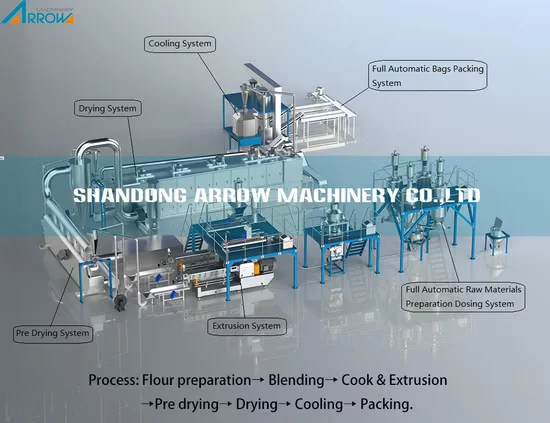
Matching the dryer to the extrusion or forming stage is crucial. If the upstream process produces varying thicknesses, the continuous dryer must have adjustable zone controls to compensate. Proper synchronization ensures that the drying stage does not become a bottleneck, allowing the entire line to operate at its designed capacity.
Matching the Dryer to Your Factory Layout and Utilities
Space constraints often dictate equipment choice. A Drying Room requires vertical space for rack storage and horizontal floor area for loading zones. It fits well in existing buildings with high ceilings but limited footprint. In contrast, a continuous dryer has a longer linear footprint but a lower height profile. Facilities must evaluate their building dimensions carefully to ensure the conveyor system fits without costly structural modifications.
Utility requirements also differ. Batch rooms may rely on simple electric heaters or steam coils, depending on local infrastructure. Continuous systems often demand higher power loads for motors and fans, as well as robust ventilation systems to remove moist air efficiently. Assessing available voltage, fuel sources, and exhaust capabilities is essential before finalizing the selection.
Integration with other process steps is smoother with continuous lines. Connecting a continuous dryer to a vacuum coating machine or packaging unit creates a seamless flow, reducing intermediate handling. For new factories, designing the layout around a continuous line maximizes efficiency. For retrofits, adding a continuous dryer may require reconfiguring upstream and downstream equipment to match the new throughput rate.
Frequently Asked Questions
Q: Can a drying room handle different thicknesses of dog jerky at the same time?
A: Yes, but with caution. Since airflow and heat distribution vary within a batch room, mixing vastly different thicknesses can lead to uneven drying. Thinner pieces may over-dry while thicker ones remain under-processed. It is better to separate loads by thickness or adjust tray positions to ensure consistent results across all products in the chamber.
Q: How does a continuous dryer improve moisture consistency compared to a drying room?
A: A continuous dryer exposes every product piece to the same temperature and airflow duration as it moves on a conveyor. This eliminates the variability found in batch systems, where position in the room affects drying rate. The result is uniform moisture content across the entire batch, reducing the risk of spoilage and ensuring consistent texture for every strip produced.
Q: What are the utility and space requirements for installing a continuous pet treats dryer?
A: Continuous dryers require a longer linear floor space but less vertical height than batch rooms. They typically need higher electrical power for motors and fans, plus adequate ventilation to exhaust humid air. Specific requirements depend on the model and capacity, so reviewing factory dimensions and utility availability with an engineer is necessary before installation.
Q: Is it possible to upgrade from a drying room to a continuous dryer later?
A: Yes, many facilities start with batch drying and upgrade as volume grows. However, this often requires reconfiguring the entire line, including upstream forming and downstream packaging, to match the continuous flow. Planning the initial layout with future expansion in mind can simplify this transition and minimize downtime during the upgrade process.
Send your meat jerky formula, target capacity, and factory dimensions to receive a customized drying equipment selection plan and workshop layout. Discuss raw material trials to verify the optimal drying method for your specific product characteristics before finalizing your investment.