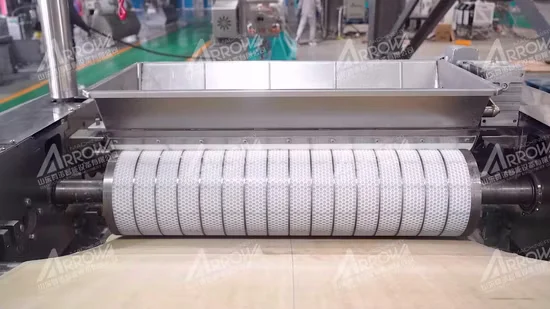
Many research institutes purchasing laboratory animal feed equipment blindly apply industrial mass-production logic, ignoring the strict requirements for cleaning and process precision in small-batch, multi-formula switching scenarios. This mismatch often leads to cross-contamination risks and inconsistent experimental data.
The core solution lies in prioritizing operational flexibility and hygiene design over raw throughput. Selecting the right laboratory animal feed equipment means choosing systems with wide process adjustment windows, quick-disassembly structures for thorough cleaning, and precise control over shear and temperature to handle diverse research formulas without compromising batch integrity.
Bridging the Gap Between Lab Trials and Pilot Production
Industrial feed lines are engineered for stability at high volumes, running the same formula for days or weeks. In contrast, a research facility may switch formulations multiple times a day, producing batches as small as a few kilograms. This fundamental difference dictates that standard industrial laboratory animal feed equipment is often unsuitable for institute settings unless specifically configured for agility.
The primary challenge is maintaining product consistency when variables change rapidly. A formula that performs perfectly in a bench-top extruder may behave unpredictably in a larger system due to differences in residence time, heat transfer, and shear history. Therefore, the equipment must offer granular control over processing parameters. Engineers need to adjust screw configurations, barrel temperatures, and feeding rates precisely to replicate lab results at a slightly larger scale, ensuring that nutritional studies remain valid.
Furthermore, the margin for error is significantly smaller in research environments. In commercial production, slight variations in kibble size or density might be acceptable within a grade. For research, however, these variations can skew palatability tests or digestibility studies. The selected machinery must therefore provide repeatable performance across a wide range of ingredients, from high-starch plant-based diets to high-protein meat-inclusion formulas, without requiring extensive mechanical retooling between runs.
Essential Machinery for Small-Batch Research Lines
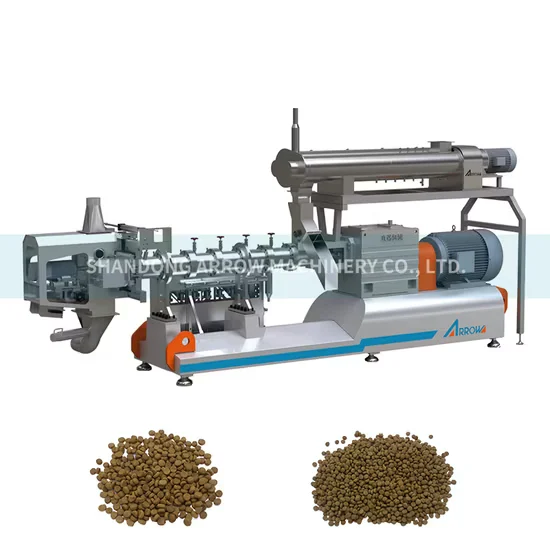
At the heart of any versatile research institute feed extruder system is the twin-screw extruder. Unlike single-screw units, twin-screw technology offers superior mixing and conveying capabilities, which are critical when handling complex research formulations with varying moisture and fat contents. The intermeshing screws provide positive displacement, ensuring consistent feed even with poor-flowing ingredients common in experimental diets.
For mixing, precision is paramount before the material even reaches the extruder. Single-shaft or twin-shaft paddle mixers are ideal for small batches, offering homogeneous blending of micro-ingredients like vitamins, minerals, and pharmaceutical compounds. Uniform distribution at this stage prevents segregation and ensures that every pellet contains the exact nutrient profile intended by the formulation team.
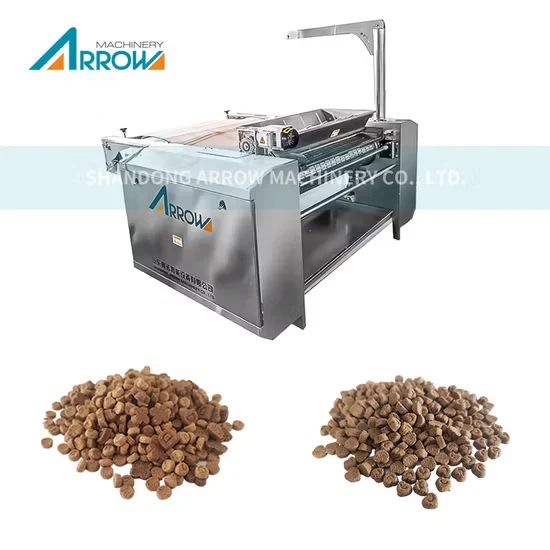
Post-extrusion, coating and drying require equal attention. Adding high levels of fats or palatability enhancers often necessitates a Vacuum Coating Machine. This technology allows for the application of heat-sensitive additives and high-fat loads without compromising pellet structural integrity, a common issue with traditional drum coaters in small batches. Additionally, drying systems must be carefully matched to the extruder output. A mismatch here can lead to under-dried centers or over-dried surfaces, both of which alter the physical properties of the feed and potentially affect animal consumption patterns in trials.
Hygiene Design and Cross-Contamination Prevention
Cross-contamination is the silent killer of research validity. When testing allergen-free diets or specific drug-infused feeds, residual material from previous batches can invalidate weeks of work. Therefore, the physical design of laboratory animal feed machine components is as important as their operational capabilities.
Equipment should feature quick-disassembly mechanisms for all product-contact parts. Barrels, dies, and mixer chambers must be accessible without specialized tools, allowing operators to perform thorough visual inspections and cleaning between runs. Smooth, polished surfaces with minimal crevices prevent material buildup and reduce the time required for sanitation protocols.
Drying systems also play a crucial role in preventing cross-contamination. Traditional large-scale dryers may retain odors or fine dust from previous batches. Smaller, modular drying solutions, such as the GDH Series Dryer or dedicated drying rooms with efficient air circulation, allow for faster turnover and more effective cleaning. Ensuring that air filters are easily replaceable and that ductwork is accessible for inspection helps maintain the purity of each experimental batch.
Evaluating Engineering Support and Trial Capabilities
Selecting a supplier for small scale feed extruder systems is not just about buying hardware; it is about securing a partner who understands the nuances of research and development. The ability to conduct raw material trials before purchase is a critical differentiator. These trials help identify potential processing issues, such as die clogging or poor expansion, allowing for adjustments in screw configuration or preconditioning parameters before the equipment arrives at the facility.
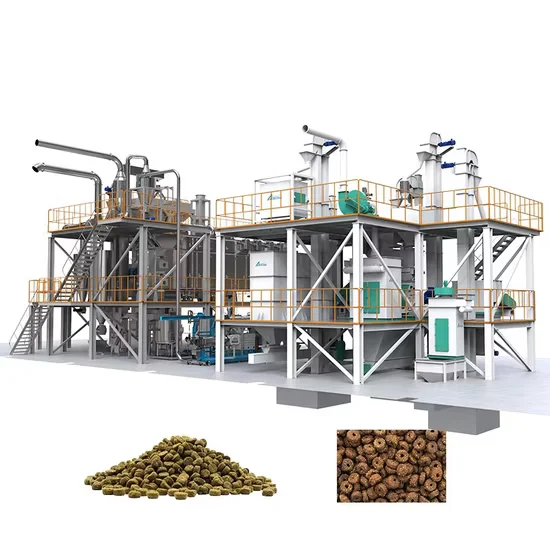
Engineering support should extend beyond installation. Providers must offer comprehensive layout planning that considers utility constraints, workflow efficiency, and future expansion possibilities. A well-designed lab line minimizes material handling and maximizes operator safety. Furthermore, clear documentation on maintenance schedules, spare parts availability, and troubleshooting guides empowers research teams to maintain high uptime without relying heavily on external service visits.
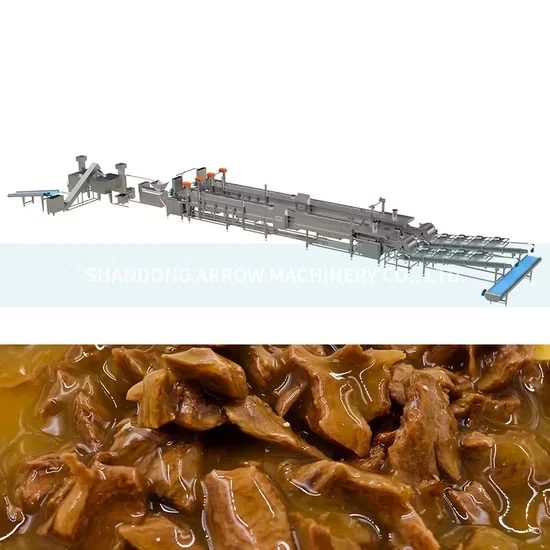
When evaluating proposals, look for suppliers who offer integrated solutions rather than disparate machines. A cohesive line where the extruder, dryer, and coater are balanced in capacity ensures smooth operation. Disjointed systems often lead to bottlenecks, where one machine waits idly for another, reducing overall efficiency and increasing the risk of product degradation during hold times.
Frequently Asked Questions
Q: Can twin-screw extruders handle very small batch sizes for research trials?
A: Yes, twin-screw extruders are highly suitable for small batches due to their positive displacement feeding and precise process control. They can handle variable ingredient flows and provide consistent quality even at low throughput levels, making them ideal for research institutes requiring frequent formula changes and small production runs.
Q: How do we prevent cross-contamination when testing multiple different feed formulas?
A: Prevent cross-contamination by selecting equipment with quick-disassembly designs and smooth, cleanable surfaces. Implement strict cleaning protocols between batches, focusing on mixer chambers, extruder barrels, and dryer ducts. Using dedicated components for sensitive formulations and ensuring thorough drying of equipment after washing also helps maintain batch purity.
Q: What is the minimum footprint required for a complete laboratory animal feed line?
A: The footprint varies based on capacity and configuration, but compact laboratory lines can fit into spaces as small as 20-30 square meters. Key factors include the arrangement of the mixer, extruder, dryer, and coater. Efficient layout planning and vertical integration of certain components can help minimize the required floor space while maintaining operational flow.
Q: Do you provide recipe trials before we commit to purchasing the equipment?
A: Yes, raw material trials and sample production are available to validate formula feasibility and optimize process parameters. These trials help determine the appropriate screw configuration, temperature profiles, and drying requirements, ensuring that the selected equipment meets your specific research needs and produces consistent, high-quality feed samples.
Send your experimental animal feed formula and target capacity to receive a customized laboratory equipment configuration proposal and workshop layout diagram. Discuss raw material testing options and request technical specifications to ensure your research infrastructure supports precise, contamination-free production.