Many investors assume reptile feed is simply small-batch dry kibble, but the physiological differences between tortoises and lizards demand distinct processing parameters. Using a single set of extrusion settings and drying curves for both species often leads to poor pellet integrity, inconsistent density, or nutrient degradation. The core issue is not just the recipe, but how the machinery handles specific ingredient profiles during production.
To produce high-quality feed for both species, you need a reptile diet extruder system that allows for precise adjustment of screw configuration, barrel temperature, and downstream drying. Tortoise diets require high shear and specific thermal profiles to manage fiber, while lizard diets need careful control to preserve protein structure and achieve target buoyancy. A flexible line design ensures you can switch between these formulations without compromising product stability or operational efficiency.
Nutritional and Physical Differences Between Tortoise and Lizard Diets
The fundamental divergence in reptile feed production starts with the raw material composition. Tortoises are primarily herbivorous or omnivorous, requiring diets rich in crude fiber, plant proteins, and calcium. In contrast, most captive lizards are insectivorous or carnivorous, demanding high levels of animal protein and fat with minimal fiber content. These nutritional requirements directly influence the physical behavior of the mash inside the extruder barrel.
High-fiber tortoise formulas present unique challenges during extrusion. Fiber does not gelatinize like starch; instead, it absorbs water and affects the viscosity of the melt. If the shear force is insufficient, the pellets may lack structural integrity, leading to excessive fines after cooling. Conversely, lizard feeds with high meat inclusion rates behave differently. Animal proteins denature and coagulate under heat, which can increase pressure within the barrel if not managed correctly.
Density control is another critical differentiator. Many tortoise owners prefer sinking pellets that mimic natural foraging behaviors on the ground, while some aquatic turtle or semi-aquatic lizard feeds may require neutral or slight buoyancy. Achieving these specific densities requires more than just changing the die plate. It involves a complex interaction between the formulation’s specific gravity, the expansion ratio during extrusion, and the moisture removal rate in the dryer. A standard tortoise vs lizard feed line setup must account for these variables to ensure the final product meets the biological needs of the animal.
Twin-Screw Extrusion Configuration for Reptile Kibble
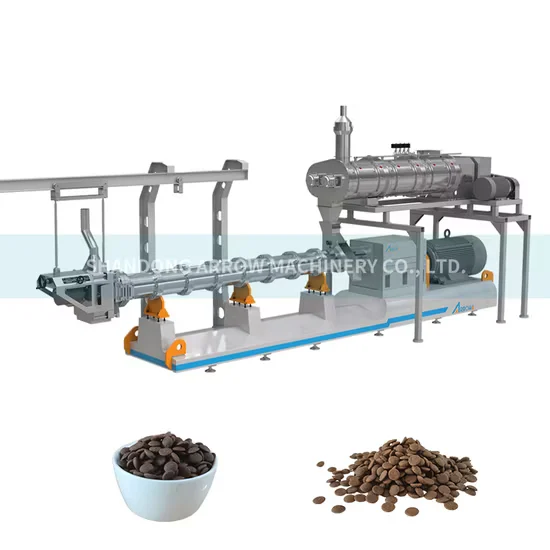
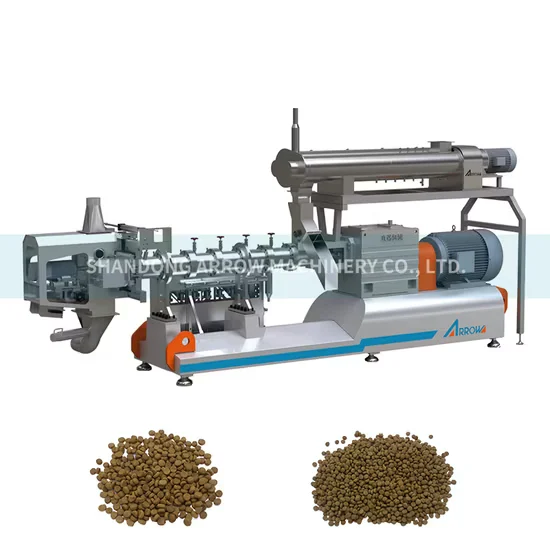
Selecting the right extrusion technology is vital for handling the diverse range of reptile diets. While single-screw extruders work for simple starch-based products, a twin-screw extruder offers superior control for complex formulations containing fresh meat, high fiber, or varying fat levels. The intermeshing screws provide positive conveyance, ensuring consistent feed rates even when ingredient densities fluctuate.
For tortoise feed, the screw configuration must generate sufficient shear to break down fibrous cell walls and promote starch gelatinization. This often involves using mixing elements with tighter clearances and higher compression ratios. The goal is to create a homogeneous melt that can be formed into stable pellets, such as the irregular, hay-like shapes often preferred by land tortoises. Without adequate shear, the fiber remains intact but unbonded, resulting in fragile pellets that crumble during handling.
Lizard feed, particularly those with high animal protein content, requires a different approach. Excessive shear can damage protein structures and lead to undesirable texture changes. Here, the screw profile might include more conveying elements and fewer intense mixing zones to maintain product integrity while ensuring thorough cooking. The flexibility of a twin-screw system allows operators to swap screw segments and adjust the length-to-diameter ratio to match the specific rheology of each formula.
Changing the die plate and cutter assembly is also essential for product variety. Tortoise pellets may require larger diameters and irregular cuts, while lizard kibble often demands smaller, uniform cylinders or micro-pellets. A well-designed reptile diet extruder setup facilitates quick changeovers, minimizing downtime when switching between product runs. This modularity is crucial for manufacturers serving multiple niche markets within the exotic pet sector.
Drying and Coating Strategies for Moisture and Fat Control
After extrusion, the pellets contain significant moisture that must be removed to ensure shelf stability and prevent microbial growth. However, reptile feeds often contain heat-sensitive nutrients such as probiotics, enzymes, and certain vitamins. Aggressive drying at high temperatures can degrade these additives, reducing the nutritional value of the final product. A cross-flow circulation dryer allows for gentle, uniform moisture removal by maintaining consistent airflow and temperature across the product bed.
For lizard feeds, which are typically higher in fat, surface coating is a critical step. Adding fat during extrusion can lubricate the barrel excessively and reduce friction needed for proper cooking. Instead, fat is often applied post-extrusion using a vacuum coating machine. This technology pulls air out of the porous pellet structure, allowing liquid fat or flavorings* than just sitting on the surface. This results in a cleaner product with less oil leakage and higher palatability.
Tortoise feeds may require different coating strategies, such as dusting with calcium carbonate or vitamin premixes. A double-drum flavoring machine or a multi-head coating pan can apply these dry powders evenly without damaging the pellet structure. The key is to match the coating method to the physical characteristics of the pellet. Harder, denser tortoise pellets can withstand more mechanical agitation, while softer, high-protein lizard kibble may require gentler handling to avoid breakage.
Line Flexibility: Running Both Diets on One Production System
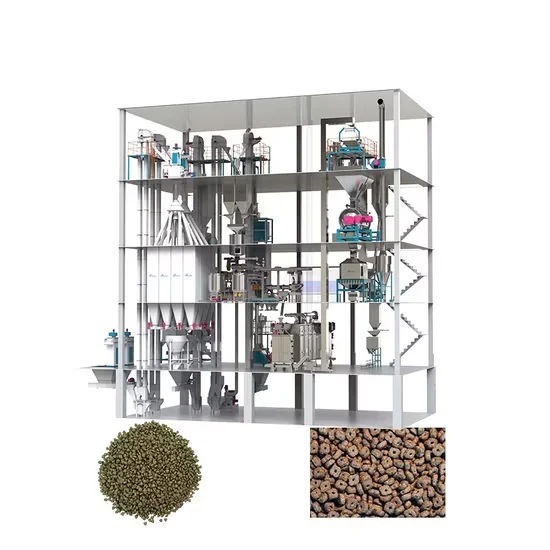
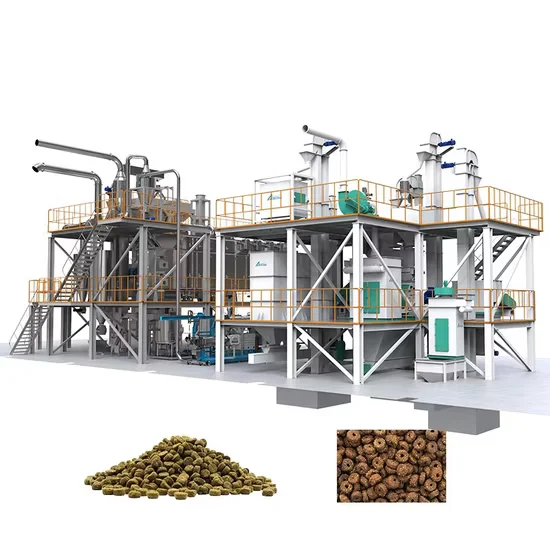
Manufacturers often ask if a single production line can handle both tortoise and lizard feeds efficiently. The answer lies in modular design and process control. By investing in a versatile reptile feed production line, you can accommodate various formulations without duplicating major equipment. The twin-screw extruder serves as the heart of the system, with its configurable screws and barrels adapting to different raw material profiles.
Switching between diets involves several adjustments. Operators must change the die plate to alter pellet shape and size, adjust the cutter speed for length consistency, and modify the extruder’s temperature profile to suit the specific cooking requirements of the formula. Additionally, the dryer’s residence time and temperature settings may need tweaking to achieve the target moisture content for each product type. High-fiber tortoise feed may dry faster due to its porous structure, while dense, high-protein lizard kibble might require longer drying times.
Planning for future expansion is also wise. A line designed for reptile feed can often be adapted to produce food for other small pets, such as rodents or birds, with minor modifications. This versatility reduces capital expenditure and maximizes the utilization of your facility. When configuring your plant, consider the footprint and utility requirements carefully. Ensuring that upstream grinding and mixing systems can handle both fibrous plant materials and sticky meat pastes is essential for smooth operation.
Frequently Asked Questions
Q: Can a single twin-screw extruder process both high-fiber tortoise feed and high-protein lizard feed?
A: Yes, a twin-screw extruder is highly versatile and can handle both formulations. The key is to adjust the screw configuration and barrel temperature profiles. For high-fiber tortoise feed, you may need more mixing elements to ensure proper shearing and bonding. For high-protein lizard feed, a gentler screw profile helps preserve protein structure. Quick-change screw segments and die plates allow for efficient switching between these distinct product types.
Q: How do you control the sinking or floating behavior of reptile pellets during extrusion?
A: Buoyancy is controlled by a combination of formulation, extrusion conditions, and drying. To make sinking pellets, you typically use ingredients with higher specific gravity and limit expansion. Adjusting the extruder’s compression ratio and moisture content also plays a role. Floating pellets require higher expansion, achieved through specific starch sources and higher shear. It is not just about the die; the entire process from mixing to drying affects the final density and buoyancy of the pellet.
Q: What drying temperature is required to preserve vitamins in extruded reptile diets?
A: Lower drying temperatures are preferred to protect heat-sensitive nutrients like vitamins and probiotics. Cross-flow circulation dryers allow for precise temperature control, typically operating at lower ranges compared to high-temperature industrial dryers. The exact temperature depends on the specific additives used and the target moisture content. It is crucial to balance drying efficiency with nutrient retention, often requiring longer residence times at lower temperatures to achieve safe moisture levels without degradation.
Q: Can the production line be upgraded later to handle other small pet feeds like rodent or bird food?
A: Yes, a well-designed reptile feed line is often compatible with other small pet feeds. Rodent and bird foods share similar processing requirements, such as grinding, mixing, and extrusion. You may need to adjust die plates, screw configurations, and coating systems to accommodate different pellet sizes and ingredient profiles. Modular equipment allows for incremental upgrades, enabling you to expand your product portfolio without replacing the entire production line. Consult with engineers to ensure your current setup supports these future applications.
If you are planning a new facility or upgrading an existing one, send your specific reptile feed formulas and target capacity. We can provide a custom technical proposal that includes the optimal twin-screw extruder configuration, drying strategy, and complete line layout to meet your production goals.